

Охлаждающая подушка или вентилятор с распылителем для теплицы: что эффективнее?
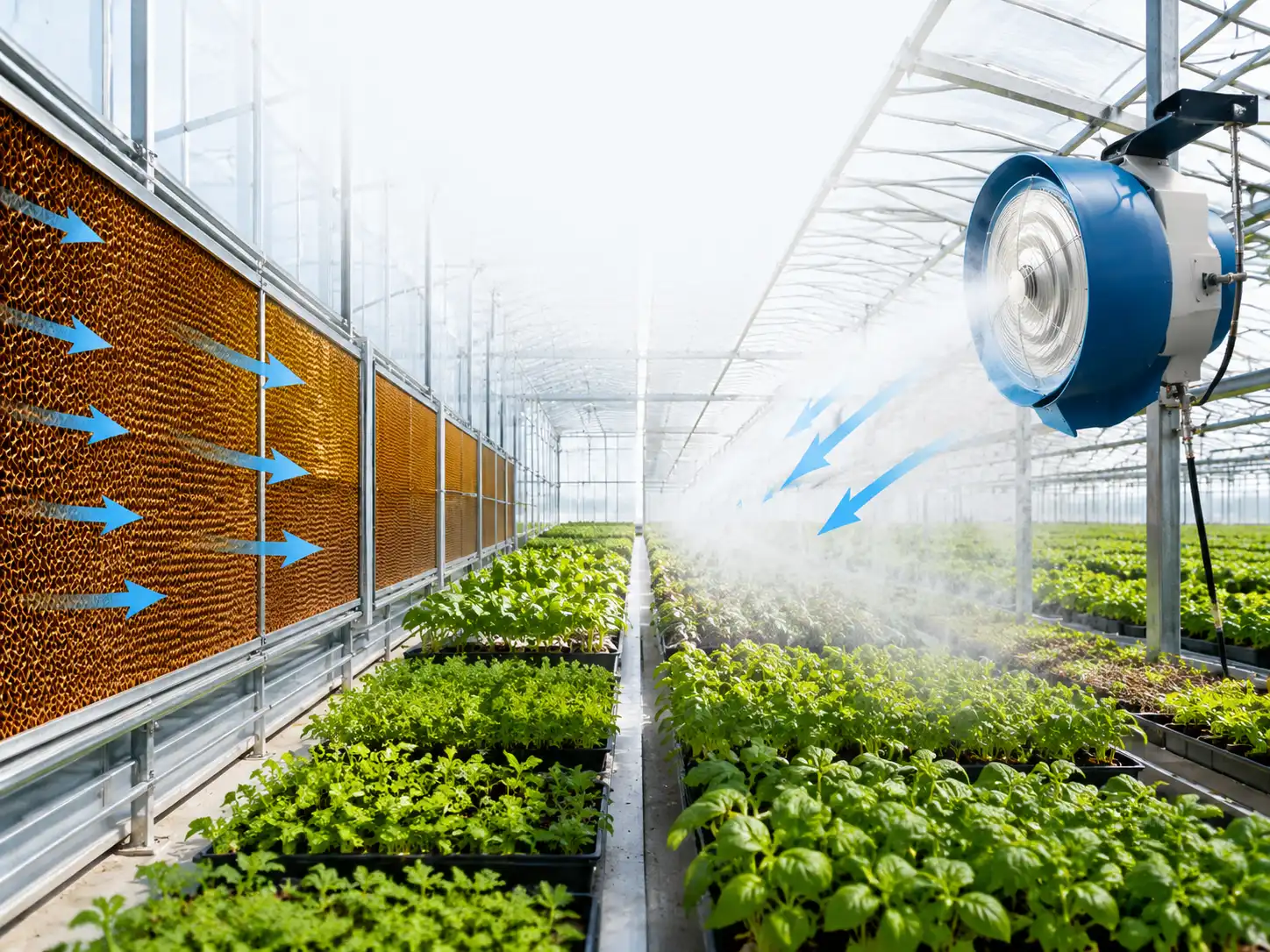
Поддержание прохлады в теплице – это не только вопрос комфорта. Это также необходимо для здорового роста растений. Испарительные охлаждающие панели и вентиляторы с распылением воды могут значительно снизить температуру в теплице. Однако их эффективность зависит от климатических условий, типов растений и способов установки системы. В большинстве засушливых климатических зон охлаждающие панели обеспечивают лучшую энергоэффективность и меньшие эксплуатационные расходы. Вентиляторы с распылением воды обеспечивают больший контроль температуры, когда воздух уже влажный.
Важность контроля температуры в теплицах
Растения лучше всего растут при определенных температурах. При этих температурах они более эффективно поглощают свет и питательные вещества. Слишком высокая температура приводит к тому, что они вянут и замедляют рост. Это может даже навредить урожаю. Постоянное охлаждение также поддерживает стабильную влажность. Оно предотвращает неравномерный поток воздуха, который может повредить нежные растения.
Распространенные методы охлаждения, используемые в современных теплицах.
В современных теплицах используется несколько способов регулирования температуры. Естественные вентиляционные отверстия на крыше и боковых стенках позволяют горячему воздуху выходить естественным образом. Испарительные системы, такие как испарительные панели или вентиляторы с распылением воды, охлаждают воздух с помощью воды. Интеллектуальные системы управления используют датчики для мгновенного изменения потока воздуха и влажности. Зачастую эти способы работают эффективнее при их совместном применении. Это помогает снизить энергопотребление, сохраняя при этом высокую производительность.
Как работают испарительные охлаждающие подушки
Воздух проходит через влажные подушки из целлюлозы. Вода испаряется и поглощает тепло из воздуха. Затем вентиляторы перемещают более холодный воздух по теплице. Этот метод наиболее эффективен, когда наружный воздух сухой. медоватый подложка Изготовлен из прочной целлюлозы. Его трехмерная структура увеличивает контакт воды с воздухом. Это способствует быстрому охлаждению и потребляет меньше энергии, чем старые кондиционеры.
Основные преимущества использования охлаждающих подушек в теплицах
Охлаждающие подушки обладают рядом ключевых преимуществ. Они равномерно распределяют холодную температуру по большим площадям. Они потребляют меньше электроэнергии, поскольку используют испарение, а не механическое охлаждение. После установки они просты в эксплуатации и не требуют особого ухода. Сотовая структура обеспечивает большую площадь поверхности для эффективного контакта воздуха и воды. Это делает охлаждение быстрым и экономит энергию.
Ограничения и особенности установки
Эти фильтры теряют эффективность, когда воздух на улице уже влажный. Вода должна распределяться равномерно, иначе образуются сухие пятна и накипь из минеральных отложений. Регулярная чистка предотвращает рост плесени, закупорку воздухом и повреждение растений.
Принцип работы вентиляторов с функцией распыления воды
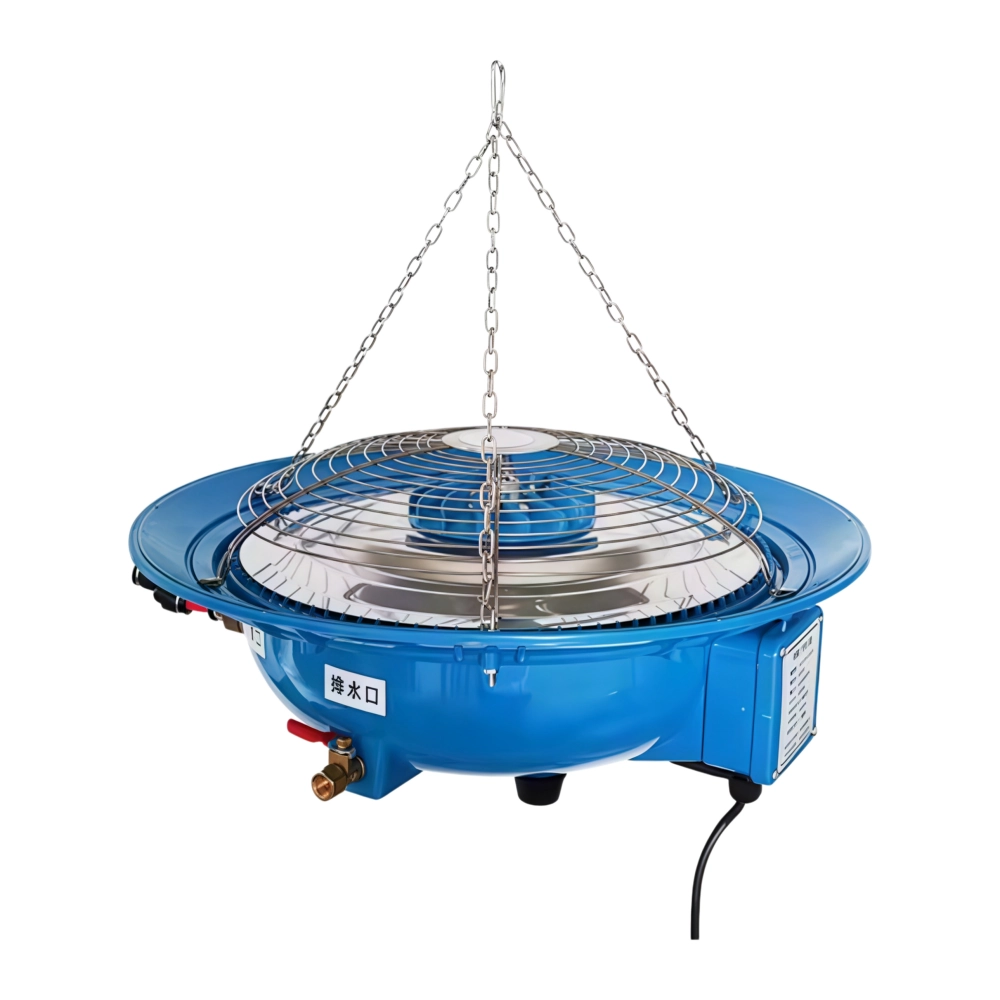
Вентиляторы с функцией распыления воды Распыление мельчайших капель воды происходит под высоким давлением или с помощью вращающихся дисков. Капли смешиваются с теплым воздухом от вентилятора, что приводит к быстрому охлаждению. Интенсивность распыления можно регулировать в зависимости от потребностей растений. Этот промышленный увлажнитель предназначен для использования на фермах и заводах. Он работает тихо, снижает температуру, одновременно увлажняя и немного очищая воздух.
Преимущества вентиляторов с распылением воды в контролируемых условиях
Вентиляторы с функцией распыления воды полезны, потому что быстро реагируют на изменения окружающей среды. Производительность по распылению можно увеличивать или уменьшать в зависимости от погодных условий или потребностей растений. Они особенно подходят для таких культур, как орхидеи, которым необходима высокая влажность. Их легко установить в старых теплицах без существенных изменений. Распыление хорошо подходит для охлаждения, увлажнения и даже легкой очистки. Центробежная конструкция не имеет форсунок, поэтому засоры случаются редко, а уровень шума остается низким.
Проблемы, связанные с системами распыления воды с помощью вентиляторов.
Необходима правильная настройка, так как чрезмерное распыление может привести к слишком высокому уровню влажности. Это может привести к попаданию воды на листья и способствовать росту грибков. Часто проверяйте форсунки, если вода жесткая. Располагайте вентиляторы равномерно, иначе некоторые участки могут охлаждаться, а другие оставаться теплыми.
Сравнительный анализ: охлаждающая подушка и вентилятор с распылителем для теплиц
Обе системы обеспечивают охлаждение, но каждая из них работает лучше в разных условиях окружающей среды.
Различия в производительности в различных климатических условиях
| Тип климата | Рекомендуемая система | Причина |
| Сухой климат | Испарительная охлаждающая подушка | Высокий потенциал испарения обеспечивает максимальную эффективность. |
| Влажный климат | Вентилятор с распылителем | Локализованное охлаждение позволяет избежать проблем, связанных с насыщением. |
В засушливых пустынных районах подушки работают эффективнее, потому что сухой воздух может впитывать больше влаги. Вблизи побережья или в тропических регионах лучше работают вентиляторы, поскольку воздух уже влажный, и подушки теряют свою эффективность.
Сравнение энергоэффективности и эксплуатационных расходов
Охлаждающие подставки обычно потребляют меньше энергии на квадратный метр. Они работают на небольших насосах и вентиляторах. Вентиляторы с функцией распыления могут потреблять немного больше энергии, но позволяют легко регулировать поток с помощью клапанов.
| Фактор | Охладительная подложка | Вентилятор с распылителем |
| Использование энергии | Низкий | Умеренный |
| Использование воды | Умеренный | Регулируемый |
| Затраты на техническое обслуживание | Низкий уровень (периодическая чистка) | Средний уровень (требуется обслуживание форсунки) |
Потребление воды меняется в зависимости от погоды. Вентиляторы с функцией распыления позволяют регулировать подачу воды, а охлаждающие подушки обеспечивают непрерывную циркуляцию воды.
Требования к техническому обслуживанию и срок службы системы
Охладительные подушки Периодически требуется удаление накипи. После нескольких сезонов целлюлоза может износиться. Двигатели вентиляторов, как правило, имеют более длительный срок службы. Такие детали, как двигатели или распылители, можно заменять, не останавливая всю систему. Правильное техническое обслуживание может продлить срок службы любой из этих систем.
Выбор правильной системы охлаждения для вашего проекта теплицы
Выбор между охлаждающими подушками и вентиляторами с распылением воды зависит от местоположения и вида выращиваемых культур.
Факторы, которые следует учитывать перед выбором
Учитывайте местную погоду и влажность. Также следует принимать во внимание потребности растений. Листовые растения предпочитают постоянный прохладный воздух, в то время как суккуленты лучше переносят жару. Проверьте наличие хорошего водоснабжения и дренажа. Гидропонные садоводы часто сочетают обе системы. Охлаждающие подушки обеспечивают базовое охлаждение, а вентиляторы с распылением помогают регулировать локальные условия вблизи растений.
Интеграция гибридных систем для оптимизации результатов.
Использование обоих устройств одновременно обеспечивает стабильные условия в течение всего года. Датчики могут включать одно из устройств в зависимости от текущих показаний. Это снижает энергопотребление и сводит к минимуму ручное управление.
Почему сотрудничать с DAIHO Ventilation
Для перехода от идей к реальному применению необходимо оборудование, которое будет работать день за днем в суровых условиях фермерского хозяйства. Именно здесь надежные производители становятся незаменимыми. Высокоэффективные испарительные охлаждающие панели обеспечивают равномерный поток воздуха и длительный срок службы. Их можно устанавливать в теплицах, животноводческих помещениях или мастерских, где необходима стабильная циркуляция воздуха.
Эти системы распыления создают капли оптимального размера для охлаждения без чрезмерного увлажнения воздуха. Они работают бесшумно благодаря центробежному распылению, создающему капли размером 10–20 мкм. Корпус из полипропилена устойчив к воздействию УФ-излучения и коррозии, что обеспечивает долговечность. Вентиляция DAIHO Мы разрабатываем комплексные планы вентиляции, отвечающие потребностям каждого клиента. Мы оказываем поддержку на всех этапах — от первоначального проектирования до долгосрочного технического обслуживания, чтобы система продолжала исправно работать.
Часто задаваемые вопросы
В1: В чем основное различие между испарительной охлаждающей подушкой и вентилятором с распылителем воды?
Испарительные подушки охлаждают воздух, когда он проходит через влажные целлюлозные панели. Вентиляторы с распылителем выпускают мелкие капли прямо в воздух для быстрого локального охлаждения.
Вопрос 2: Какая система лучше работает в прибрежных районах?
Вентиляторы с функцией распыления воды работают лучше. Они охлаждают, не добавляя слишком много влаги в и без того влажный воздух.
Вопрос 3: Как часто следует чистить оборудование для охлаждения теплиц?
Обычно подушечки нужно промывать каждые три месяца. Если вода жесткая, форсунки вентилятора необходимо проверять ежемесячно.
Вопрос 4: Подходят ли эти системы для гидропонных установок?
Да. Оба варианта подходят для гидропонных комнат, если их сбалансировать с помощью осушителей воздуха.
В5: Можно ли объединить обе системы?
Да. Гибридные системы часто обеспечивают лучший контроль температуры и влажности при смене сезонов.
 English
  Russian
  Arabic
  Spanish
  French
  Italian