

Коммерческий осушитель воздуха против вентиляции: почему оба необходимы
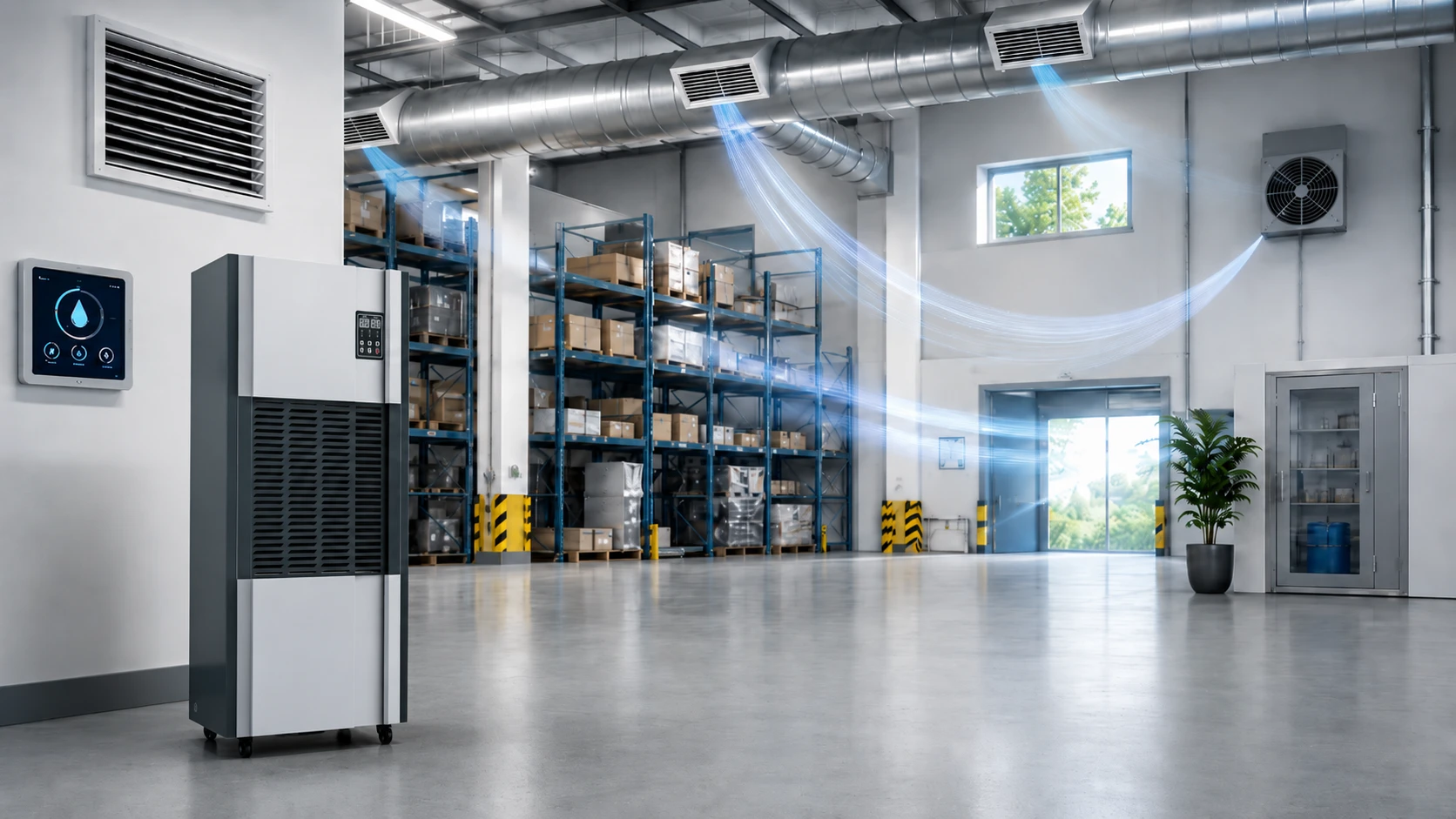
Влажность и вентиляция являются ключевыми факторами для поддержания комфортного микроклимата в помещении. В промышленных условиях зависимость только от одного из этих факторов часто приводит к потерям, повреждению оборудования или проблемам с безопасностью. Наилучшие результаты достигаются при сочетании обоих факторов — используйте промышленные осушители воздуха для борьбы с влажностью и системы вентиляции для поддержания свежести и баланса воздуха.
Роль контроля влажности в промышленных условиях
Избыточная влажность — это не просто небольшое неудобство, она может стать серьезной проблемой в процессе производства. Она способствует образованию плесени, разъедает металл и изнашивает оборудование. Поддержание необходимого уровня влажности обеспечивает соответствие стандартам качества продукции и комфортные условия труда. В таких местах, как складские помещения, заводы и сборочные линии, требуется точный контроль влажности, поскольку каждое из них сталкивается с уникальными тепловыми нагрузками и воздухообменом.
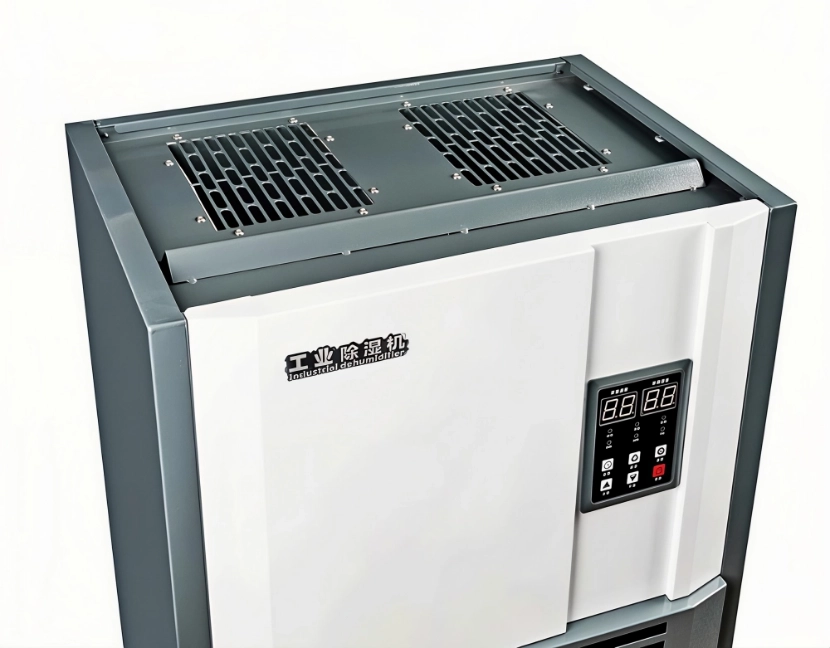
Вентиляция DAIHO япромышленный досушитель Устройства с цифровыми панелями управления предназначены для быстрого удаления избыточной влаги на обширных промышленных и коммерческих территориях. Такое оборудование демонстрирует, насколько мощное осушительное оборудование может стабилизировать участки, которые в противном случае могли бы подвергнуться протечкам или коррозии.
Как вентиляция влияет на качество воздуха
Системы вентиляции играют важную роль, удаляя застоявшийся воздух из помещений и подавая свежий наружный воздух в закрытые пространства. Правильная циркуляция воздуха помогает уменьшить количество взвешенных частиц, запахов и накопленного тепла. Равномерное движение воздуха способствует контролю температуры и экономии электроэнергии. Проще говоря, осушители воздуха борются с влажностью; вентиляция регулирует поток воздуха.
Основные различия между коммерческими осушителями воздуха и системами вентиляции.
Эти системы предназначены для регулирования микроклимата в помещении, но используют разные подходы, которые хорошо дополняют друг друга при совместном применении.
Функциональность и назначение
Влагоуборочная система для бизнеса удаляет водяной пар из воздуха для регулирования относительной влажности. Система вентиляции обеспечивает обмен воздуха между внутренним и наружным пространством для поддержания циркуляции свежего воздуха. В сочетании эти системы создают стабильное, сухое и при этом комфортное для дыхания пространство — идеально подходящее для изготовления или хранения предметов.
Принципы проектирования и эксплуатации оборудования
В коммерческих осушителях воздуха для удаления влаги используется технология охлаждающего или осушающего агента. Они часто включают в себя конденсаторы, испарители и дренажные системы, рассчитанные на непрерывную работу. DH-D-12IH Это промышленный осушитель воздуха, предназначенный для крупномасштабного контроля влажности. Он обеспечивает производительность по воздуху 3000 м³/ч и подходит для помещений площадью до 500 м², что демонстрирует его высокоэффективную промышленную конструкцию.
Системы вентиляции используют вентиляторы, трубы, заслонки и сетки для направления воздушного потока над различными участками. Сочетание обеих систем повышает общую стабильность микроклимата в растениях, предотвращая неравномерное нагревание или образование влажных зон.
| Модель | Емкость | Источник питания | Объем воздуха | Зона покрытия |
| DH-D-12IH | 12 л/ч | 380В 3Н ~ 50Гц | 3000 м³/ч | 450–500 m² |
| DH-D-60BD | 1,49 л/ч | 220В ~ 50Гц | 500 м³/ч | 80–140 m² |
Почему полагаться только на одну систему недостаточно
Каждая система имеет свои преимущества, но ни одна из них не может самостоятельно поддерживать полную стабильность микроклимата в помещении в условиях меняющейся промышленной среды.
Ограничения использования только вентиляции
В условиях высокой влажности системы вентиляции могут затягивать влажный наружный воздух вместо того, чтобы очищать его. При отсутствии осушителя воздуха капли могут скапливаться на стенах или инструментах — например, металлические детали, подверженные воздействию перепадов температуры. Потребление энергии также может увеличиться, поскольку системам вентиляции приходится работать дольше, чтобы компенсировать плохой контроль влажности.
Недостатки использования только осушителя воздуха
Осушители воздуха не могут обеспечить приток свежего воздуха или эффективно удалять взвешенные в воздухе частицы. Застой воздуха вызывает дискомфорт и со временем приводит к накоплению запахов. Чрезмерная нагрузка на осушители без достаточного потока воздуха приводит к локальным влажным явлениям — некоторые участки пересыхают, а другие остаются влажными.
Синергия от сочетания коммерческих осушителей воздуха с системами вентиляции.
При правильной интеграции эти системы обеспечивают сбалансированный подход к регулированию температуры, влажности и воздушного потока.
Создание сбалансированного микроклимата в помещении
Совместная работа позволяет поддерживать стабильный уровень температуры и влажности круглый год. Интегрированная система управления позволяет оперативно корректировать параметры, используя данные с датчиков, расположенных по всей территории объекта. Даже при работающем двигателе снижаются потери мощности и сохраняются оптимальные рабочие места — это крайне важно в областях, где стабильные условия гарантируют высокое качество работы. Такой комбинированный подход может значительно улучшить стабильность микроклимата в промышленных помещениях.
Повышение эффективности предотвращения образования плесени и увеличение срока службы оборудования.
Надлежащий контроль влажности помогает предотвратить рост плесени в складских и производственных помещениях, содержащих материалы, чувствительные к влаге. Он удаляет до 240 л/день, защищая инструменты и заготовки от плесени, ржавчины и гниения. Такая производительность продлевает срок службы электрических компонентов, уменьшая протечки в корпусах или проводниках. Постоянный поток также ограничивает локальные влажные участки, способствующие росту микробов.
Hкак Сдом а Досушитель
Выбор оптимального оборудования — это не просто определение его размеров, необходимо понимать, как ваш объект функционирует в разные времена года. Следует оценить такие факторы, как размер объекта, планировка здания, высота потолков, качество изоляции и ежедневные режимы работы. Выделите ключевые зоны, такие как чистые помещения или сухие участки, где действуют строгие правила относительной влажности. Изменения погоды также имеют значение; в жарких и влажных местах требуется более высокая скорость отвода воздуха, чем в более холодных.
Факторы, которые следует учитывать при выборе коммерческой системы осушения воздуха.
Показатели мощности и производительности
Всегда рассчитывайте мощность осушителя воздуха исходя из объема влаги в час или день. Например, DH-D-60BD Это осушитель воздуха для предприятий, предназначенный для контроля влажности в помещениях среднего размера. Его компактные размеры подходят для небольших складских помещений, но при этом он обеспечивает стабильную работу при температурах от 5°C до 38°C.
Характеристики энергоэффективности
Выбирайте системы с интеллектуальным управлением и энергосберегающими технологиями, которые помогают снизить долгосрочные эксплуатационные расходы при сохранении стабильной работы.
Требования к техническому обслуживанию
Для обеспечения долгосрочной надежности выбирайте легкодоступные экраны, системы автоматического слива, нержавеющую конструкцию и встроенные системы обнаружения ошибок — интеллектуальные функции автоматического вызова, проверки ошибок и автоматического растапливания льда сокращают трудозатраты во время спокойных смен.
Интеграция вентиляционных решений DAIHO для достижения оптимальных результатов.
Сочетание Вентиляция DAIHOПродуманный дизайн и грамотная планировка воздухораспределительных систем открывают эффективный путь к экологичной вентиляции в различных областях. Компания DAIHO Ventilation предлагает индивидуальные решения, объединяющие технологии вентиляции, охлаждения и контроля влажности. Ее промышленные системы отличаются прочной стальной конструкцией, рассчитанной на непрерывную работу в жарких и пыльных промышленных условиях, характерных для Юго-Восточной Азии.
Разработка решений, адаптированных под конкретные отраслевые потребности.
В каждой области существуют свои специфические проблемы, связанные с воздушным потоком, которые требуют индивидуальной настройки по сравнению со стандартными:
Производственные объекты
Поддерживайте равномерные воздушные условия, крайне важные для выполнения таких задач, как монтаж печатных плат или линий подачи материалов, где даже небольшие изменения относительной влажности влияют на стандарты производительности.
Склады и логистические центры
Предотвратите износ грузов в длинных грузовых отсеках, ограничив проникновение влаги через погрузочные двери или открытые пространства, распространенные в местах отгрузки.
Центры обработки данных и производство электроники
Защитите чувствительное электронное оборудование от сбоев, вызванных конденсацией, с помощью точного контроля влажности и циркуляции фильтрованного воздуха вокруг серверных стоек и электронного производственного оборудования.
Долгосрочные преимущества подхода, основанного на двух системах.
В долгосрочной перспективе сочетание промышленных осушителей воздуха с оптимизированными системами вентиляции обеспечивает преимущества, выходящие за рамки непосредственного повышения комфорта. Интегрированная система управления сокращает количество рейсов между инструментами — вентиляторы работают с меньшей интенсивностью, когда относительная влажность остается стабильной, а компрессоры регулируются автоматически, что позволяет экономить электроэнергию без снижения эффективности.
Стабильная температура внутри помещений снижает риски для здоровья, связанные с плесенью или плохим воздухом, и позволяет персоналу оставаться в тонусе в течение всего дня при заданной температуре. Это особенно важно в условиях интенсивной промышленной деятельности. Точно настроенное электропитание соответствует современным требованиям экологичного строительства, а также твердым экологическим целям, которые глобальные покупатели стремятся достичь от поставщиков.
Часто задаваемые вопросы
Q1: Какой мощности коммерческий осушитель воздуха мне нужен для моего склада?
Измерьте полный объем, а затем сопоставьте его с номинальной производительностью (литры/час), указанной производителем; для больших зон часто требуется несколько установок, работающих с подачей воздуха.
Q2: Может ли один только осушитель воздуха предотвратить образование плесени?
Это очень помогает, но лучше всего сочетается с хорошим потоком воды, поскольку в застойных зонах могут скапливаться микробы даже при низкой общей влажности.
Q3: Как вентиляция влияет на энергоэффективность?
Равномерный поток воздуха улучшает распределение тепла, что облегчает работу систем отопления, вентиляции и кондиционирования; однако слишком сильный приток воздуха извне без пересыхания создает дополнительную нагрузку на системы охлаждения.
Q4: Промышленные осушители воздуха издают шум?
В новых моделях используются двигатели в корпусе с виброизоляцией; уровень шума остается низким, особенно если они размещены вне рабочих зон или в машинных отделениях.
Q5: Какое техническое обслуживание требуется промышленному осушителю воздуха?
Регулярно очищайте сетки, проверяйте дренажные каналы на наличие засоров, осматривайте змеевики на наличие скоплений грязи и время от времени корректируйте цифровые элементы управления, чтобы обеспечить стабильную работу в течение длительного времени.
 English
  Russian
  Arabic
  Spanish
  French
  Italian