

Лучшие решения для промышленного охлаждения: оптимизация систем охлаждения для производственных и промышленных объектов.
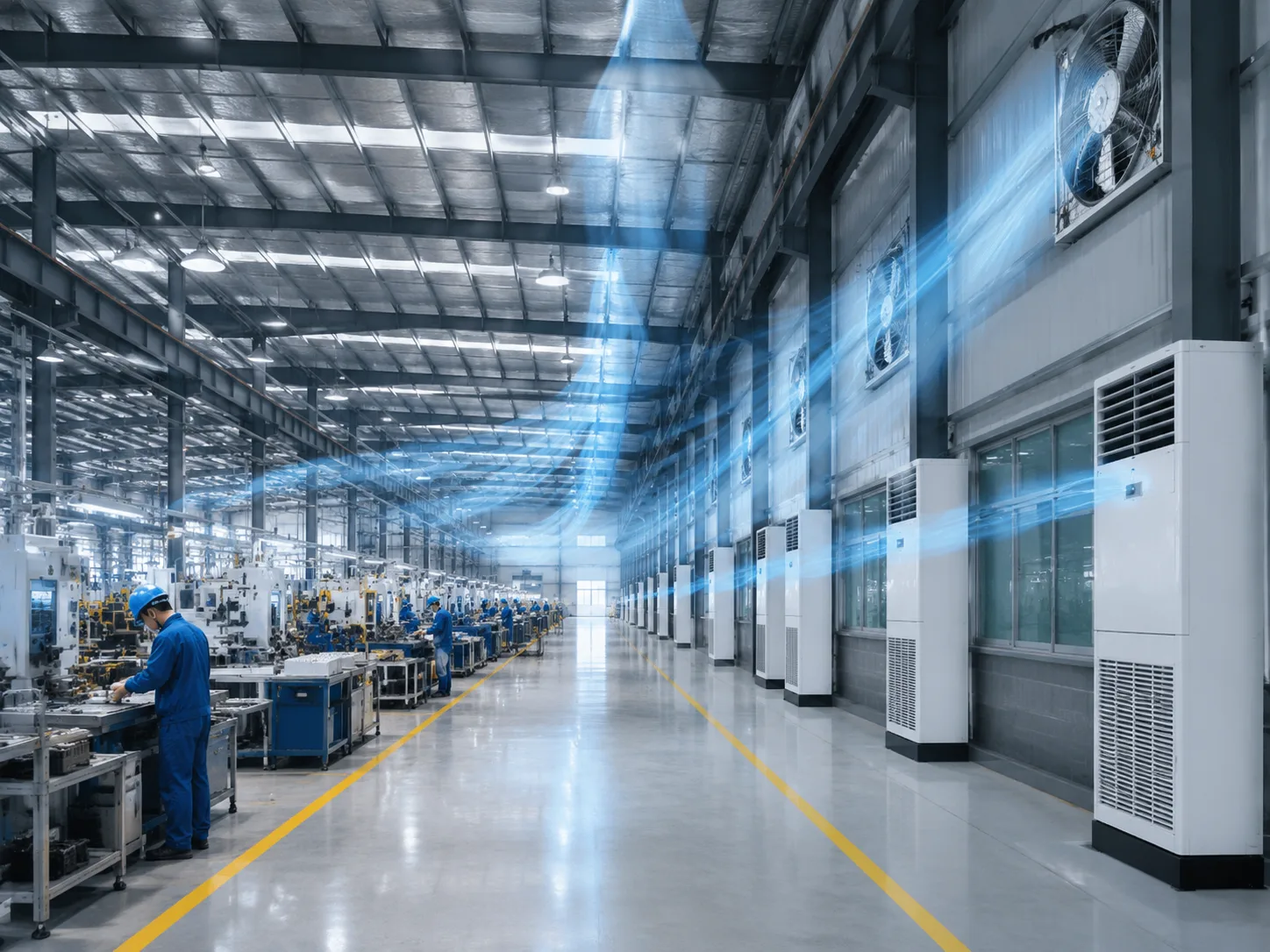
Эффективные системы охлаждения необходимы для современных производственных процессов. Температура и влажность часто меняются, что может снизить эффективность производства, ускорить износ оборудования и увеличить риски для безопасности на рабочем месте. Компаниям необходимы надежные системы охлаждения для промышленных складов. Они позволяют снизить энергопотребление, экономить пространство и бережно относиться к окружающей среде.
Роль систем охлаждения в промышленных условиях
Для надежной работы важны стабильная температура и влажность. Слишком высокая температура может остановить работу оборудования или повредить продукцию, особенно в электронике или металлообработке. Хорошее охлаждение также защищает персонал от проблем, связанных с перегревом, и обеспечивает соблюдение правил техники безопасности.
Недостаточное охлаждение приводит к задержкам. Затраты на техническое обслуживание возрастают. Качество продукции может снизиться. Например, литейный цех с недостаточной циркуляцией воздуха. Детали могут деформироваться или иметь неравномерную обработку поверхности. Интенсивное охлаждение — не вариант. Оно обеспечивает стабильную работу и позволяет контролировать соблюдение правил.
Основные проблемы промышленного охлаждения
Многие промышленные предприятия сталкиваются с проблемой высокого энергопотребления. Системы сложно интегрировать. Ограничения по пространству часто препятствуют установке крупных систем отопления, вентиляции и кондиционирования воздуха (ОВК) или воздуховодов. Экологические нормы подталкивают компании к использованию оборудования с низким уровнем выбросов. Для достижения баланса необходимы новые идеи. Системы охлаждения должны оставаться компактными, энергоэффективными, экологически чистыми и экономически выгодными.
Основные типы решений для промышленного охлаждения
Технологии промышленного охлаждения вышли за рамки традиционных систем кондиционирования воздуха. В зависимости от планировки и уровня нагрева предприятия выбирают воздушные, водяные или смешанные системы охлаждения. Воздушные системы используют мощный воздушный поток для отвода тепла. Промышленные вентиляторы усиливают движение воздуха в больших помещениях, таких как склады или сборочные линии.
Вентиляция DAIHOВысокопроизводительные вентиляторы компании ориентированы на экономию электроэнергии при обеспечении стабильного воздушного потока в труднодоступных местах. Они хорошо подходят для случаев, когда контроль влажности менее важен, но при этом необходим приток свежего воздуха, например, в упаковочных цехах или логистических центрах.
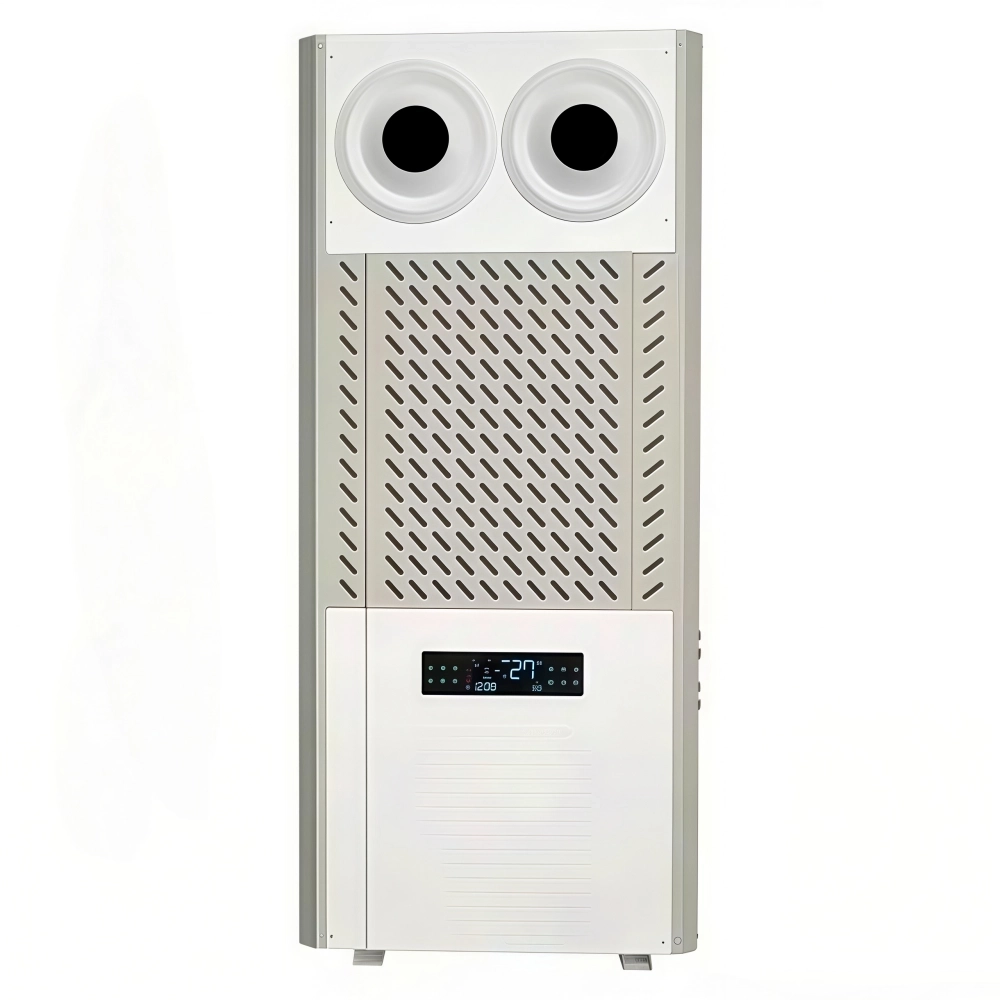
Кондиционер шкафного типа с двумя вентиляционными отверстиями Охлаждает отдельные зоны на заводах и в цехах. Напольная конструкция экономит место и охлаждает только необходимые участки. Это помогает сократить потери энергии и способствует реализации целенаправленных энергоэффективных стратегий охлаждения.
Кондиционеры, оснащенные высокоэффективными сотовыми охлаждающими элементами. В них используется испарение воды для поглощения тепла из воздуха. Поскольку они не требуют большого количества хладагента и вместо этого используют естественное охлаждение, они потребляют значительно меньше электроэнергии, чем обычные кондиционеры. Эти кондиционеры оснащены высокопрочными сотовыми охлаждающими элементами и встроенными резервуарами для воды, обеспечивающими быстрое испарительное охлаждение. Они наиболее эффективны в сухих районах с низкой влажностью.
Эти кондиционеры обеспечивают комфортный уровень охлаждения, сравнимый с традиционными системами кондиционирования воздуха, при этом снижая энергопотребление до 70%. Это делает их энергоэффективным решением для экологически чистых систем промышленной вентиляции.
Интеллектуальные системы управления отслеживают температуру и воздушный поток в режиме реального времени. Они регулируют производительность в соответствии с эксплуатационными требованиями. Это помогает снизить энергопотребление в умеренных условиях, сохраняя при этом стабильную эффективность охлаждения при высоких тепловых нагрузках.
Стратегии повышения энергоэффективности для оптимизации промышленного охлаждения
Затраты на электроэнергию составляют значительную часть операционных расходов завода. Эффективный выбор оборудования и оптимизированная планировка производственных помещений могут обеспечить существенную долгосрочную экономию средств.
Интеграция энергоэффективного оборудования и систем управления.
Приводы с регулируемой скоростью позволяют вентиляторам работать только на необходимой скорости. Интеллектуальные датчики контролируют температуру в разных зонах. Они запускают механизмы управления, которые регулируют скорость вращения вентилятора или поток воды. Это помогает снизить энергопотребление, поддерживая при этом оптимальные условия работы для промышленных и складских систем охлаждения.
Разработка оптимизированной схемы воздушного потока
Качественная система воздуховодов предотвращает потери давления, приводящие к растрате электроэнергии. Зонирование разделяет зоны по уровню нагрева. В зонах с горячим оборудованием обеспечивается более сильный поток воздуха, а в зонах хранения — более слабый. Инженеры используют моделирование CFD для построения схемы воздушного потока до установки. Это позволяет избежать последующих исправлений и обеспечивает равномерное распределение воздуха.
| Метод оптимизации | Преимущество | Пример приложения |
| Приводы с регулируемой скоростью | Снижает энергопотребление вентилятора на 30–50%. | Вентиляция конвейерной линии |
| Моделирование CFD | Уменьшает количество зон перегрева | цеха сборки электроники |
| Стратегия зонирования | Предназначено для районов с высокой температурой. | Секция ковки металла |
Индивидуальные решения для охлаждения в различных промышленных условиях.
Потребности каждого объекта в тепле зависят от технологических процессов и планировки.
Производственные предприятия и производственные линии
Тяжелые станки создают сильный локальный нагрев. Прямой поток воздуха помогает его контролировать. На металлургических заводах гибридные установки часто превосходят обычные кондиционеры, поскольку тепловая нагрузка меняется в течение дня. Текстильные цеха также получают от этого выгоду. энергоэффективное кондиционирование воздухачто помогает поддерживать стабильную влажность и предотвращает проблемы с тканью или статическое электричество.
Склады и хранилища
На складах, как правило, требуется масштабная циркуляция воздуха, а не высокоточный контроль температуры. Большие потолочные вентиляторы обеспечивают равномерное распределение воздуха и устраняют застойные зоны, которые вредят хранящимся товарам.
Чистые помещения и высокоточные среды
Для чистых помещений необходимы высокоэффективные системы фильтрации и стабильный контроль температуры. Осушители воздуха поддерживают низкий уровень влажности в линиях по производству электроники или лекарственных препаратов. Передовые системы фильтрации от DAIHO Ventilation обеспечивают чистый поток воздуха и помогают предотвратить загрязнение.
Экологические и эколого-экологические аспекты проектирования систем охлаждения
Устойчивое развитие стало важным фактором в современном планировании производственных площадей. Компании стремятся сократить выбросы углекислого газа без снижения производительности.
Сокращение выбросов углекислого газа за счет эффективных решений в области охлаждения.
Эффективные конструкции снижают выбросы, уменьшая общее энергопотребление. Новые материалы позволяют осуществлять переработку. Экологичные хладагенты уменьшают вредное воздействие на озоновый слой. Эти меры способствуют более устойчивому развитию промышленности.
Практики экономии воды в системах испарительного охлаждения
Очистка воды предотвращает образование накипи на площадках и в резервуарах. Система рекуперации влаги в замкнутом цикле повторно использует влагу, а не тратит ее впустую. Это помогает в регионах с дефицитом воды.
Внедрение эффективного плана модернизации системы промышленного охлаждения
Перед полной заменой устаревших систем охлаждения необходимо провести тщательную оценку ситуации.
Оценка текущей производительности системы
Руководители проводят проверки, чтобы выявить такие недостатки, как слишком долгая работа вентиляторов или неравномерная температура. Переход на кондиционеры с двойными воздухоотводными отверстиями в корпусе часто приносит быструю окупаемость за счет повышения эффективности зонального охлаждения и снижения затрат на электроэнергию.
Сотрудничество с профессиональным поставщиком систем охлаждения.
Сотрудничайте с производителями, предоставляющими полный спектр услуг, для создания систем, соответствующих тепловым нагрузкам объекта. Надежное послепродажное обслуживание помогает поддерживать стабильную работу системы. Даже лучшие разработки теряют эффективность без регулярных проверок.
Тенденции будущего, определяющие развитие технологий промышленного охлаждения.
Технологии постоянно меняют подходы к управлению климатом на объектах, одновременно способствуя достижению экологических целей. Датчики IoT позволяют проводить ранний ремонт, выявляя проблемы заранее. Инструменты анализа данных в реальном времени собирают показатели производительности со многих объектов. Это помогает командам улучшать энергоэффективные планы охлаждения, опираясь на реальные данные. Новые материалы устойчивы к коррозии и служат дольше. Модульная конструкция позволяет объектам увеличивать мощности по мере роста потребностей без полной перестройки.
Пусть это лето станет для вас самым крутым!
От испарительных систем охлаждения и промышленных вентиляторов до интеллектуального проектирования воздушных потоков и зональных решений для охлаждения — правильно подобранная система может помочь заводам, складам и предприятиям точного машиностроения повысить эффективность работы. Если ваша текущая система охлаждения приводит к высоким затратам на электроэнергию, неравномерной температуре или частым проблемам с техническим обслуживанием, сейчас самое время пересмотреть свою систему и спланировать модернизацию. Контакт нас Сегодня мы стремимся создать более эффективную, надежную и перспективную систему промышленного охлаждения.
Часто задаваемые вопросы
Q1: Какой метод промышленного охлаждения является наиболее энергоэффективным?
Испарительное охлаждение потребляет меньше энергии, чем традиционные холодильные системы, поскольку использует испарение воды для естественного отвода тепла.
Q2: Как гибридные системы охлаждения экономят энергию?
В зависимости от условий они переключаются между испарительным и механическим режимами охлаждения. Это помогает поддерживать эффективность охлаждения, одновременно снижая ненужное потребление энергии.
Q3: Почему проектирование воздушных потоков важно на заводах?
Хорошая циркуляция воздуха предотвращает образование зон перегрева вблизи оборудования. Это повышает комфорт работников и со временем снижает нагрузку на вентиляторы.
Q4: Можно ли использовать испарительные охладители во влажном климате?
Они лучше всего работают в сухих зонах. Гибридные установки дополнительно используют принудительную вентиляцию при повышении влажности.
Q5: Как часто следует проводить техническое обслуживание промышленного холодильного оборудования?
Промышленное холодильное оборудование следует проверять каждые три-шесть месяцев. Это позволяет своевременно выявлять засоры фильтров или проблемы с двигателем и поддерживать стабильную работу.
 English
  Russian
  Arabic
  Spanish
  French
  Italian