

Как современные кондиционеры способствуют достижению целей в области ESG и устойчивого развития
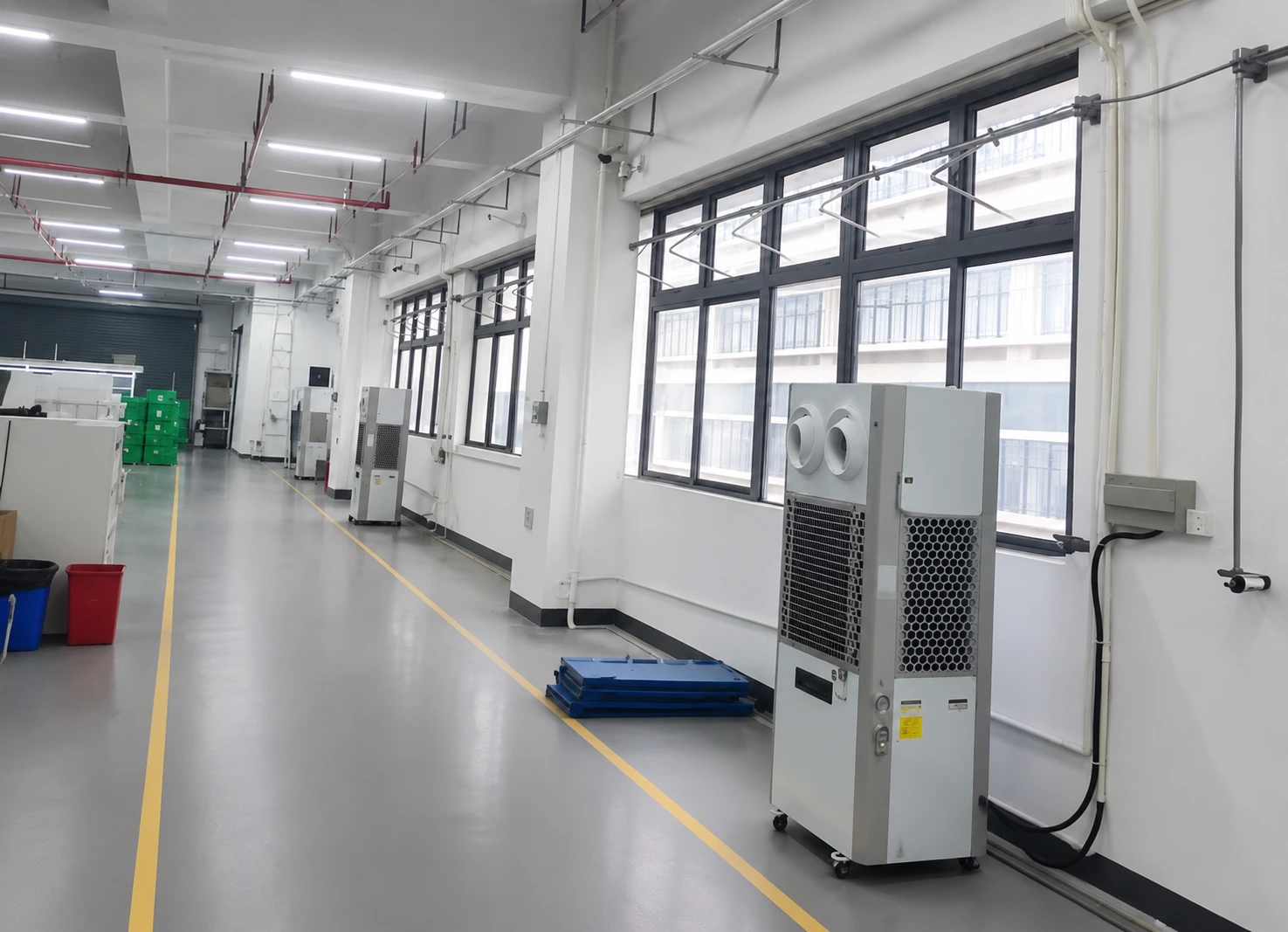
Современные промышленные предприятия должны соответствовать все более строгим стандартам в области экологии, социальной ответственности и корпоративного управления (ESG). Часто системы охлаждения устанавливаются за стенами или на крышах. Однако эти устройства играют огромную роль в экологических стратегиях. Энергосберегающий кондиционер — это не просто устройство для обеспечения комфорта. Сегодня он служит важным решением для обеспечения устойчивого развития.
Почему системы кондиционирования воздуха важны в ESG-стратегиях?
Системы кондиционирования воздуха потребляют значительную часть промышленной энергии. На охлаждение может приходиться до 40% всей электроэнергии на заводах или в центрах обработки данных. Следовательно, эти системы напрямую увеличивают выбросы углекислого газа. Они также повышают эксплуатационные расходы. Компании могут внедрять энергоэффективные системы для решения этой проблемы. Это помогает снизить ежедневные операционные расходы и уменьшить общее воздействие на окружающую среду.
Энергоэффективное охлаждение Идеально вписывается в рамки ESG. Поддерживает четко определенные экологические цели. Также улучшает корпоративное управление благодаря честной отчетности об энергопотреблении. Многие компании сегодня рассматривают устойчивые системы отопления, вентиляции и кондиционирования воздуха как ключевой элемент своих долгосрочных планов по сокращению выбросов углерода. Связь между комфортом работников и соблюдением нормативных требований хорошо известна. Эксперты измеряют эту взаимосвязь, используя экономию энергии в киловатт-часах и сокращение выбросов CO₂.
Каким образом энергосберегающие кондиционеры способствуют устойчивому развитию?
Современные установки используют компрессоры с регулируемой скоростью и передовые хладагенты. Они также оснащены интеллектуальными системами управления, предотвращающими потери энергии. Эти функции снижают потребление энергии в часы пиковой нагрузки. Кроме того, они неуклонно снижают выбросы парниковых газов на протяжении многих лет.
Повышение эффективности систем помогает компаниям соответствовать строгим энергетическим нормам. Также наблюдаются значительные преимущества в плане использования ресурсов. Высокоэффективные установки служат дольше, требуют меньше ремонтных работ, что приводит к значительному сокращению отходов материалов за весь срок службы. Крупные заводы реже заменяют оборудование и сокращают время простоя производства. В результате они демонстрируют гораздо лучшие показатели устойчивого развития в рамках своих ESG-стратегий.
Основные характеристики современных энергосберегающих кондиционеров
Современные технологии охлаждения стремительно развиваются. Лучшие системы предлагают больше, чем просто базовую эффективность. Они легко адаптируются к местным изменениям и бесперебойно интегрируются в более широкие сети управления объектами.
Интеллектуальные системы управления для более рационального использования энергии.
Автоматизация преобразует промышленные системы вентиляции. Автоматизированные системы управления регулируют мощность охлаждения в зависимости от текущих условий. К таким условиям относятся, например, количество людей в помещении или изменения погоды на улице. Мониторинг на основе искусственного интеллекта выводит это на новый уровень. Он выявляет снижение производительности до того, как возникнут серьезные проблемы. Это позволяет проводить ремонт на ранних стадиях, избегая дорогостоящих поломок оборудования.
Операторы могут интегрировать эти элементы управления в системы управления зданием (BMS). Это создает единую энергетическую сеть. Системы освещения, вентиляции и кондиционирования воздуха могут легко обмениваться данными об их работе. Такая конфигурация позволяет менеджерам видеть точное потребление электроэнергии каждой частью системы. Затем они могут корректировать потребление электроэнергии в режиме реального времени.
Модульная конструкция для гибкой и устойчивой работы
В модульная конструкция Этот подход меняет методы планирования расширения систем отопления, вентиляции и кондиционирования воздуха. Каждый модуль может работать независимо. Он также может функционировать в рамках более крупной сети. Это значительно упрощает настройку и будущие модернизации. Для объектов не требуется серьезных структурных изменений. Это также значительно упрощает базовое техническое обслуживание. Техники могут отключить один блок для обслуживания, в то время как остальные блоки продолжают работать в обычном режиме.
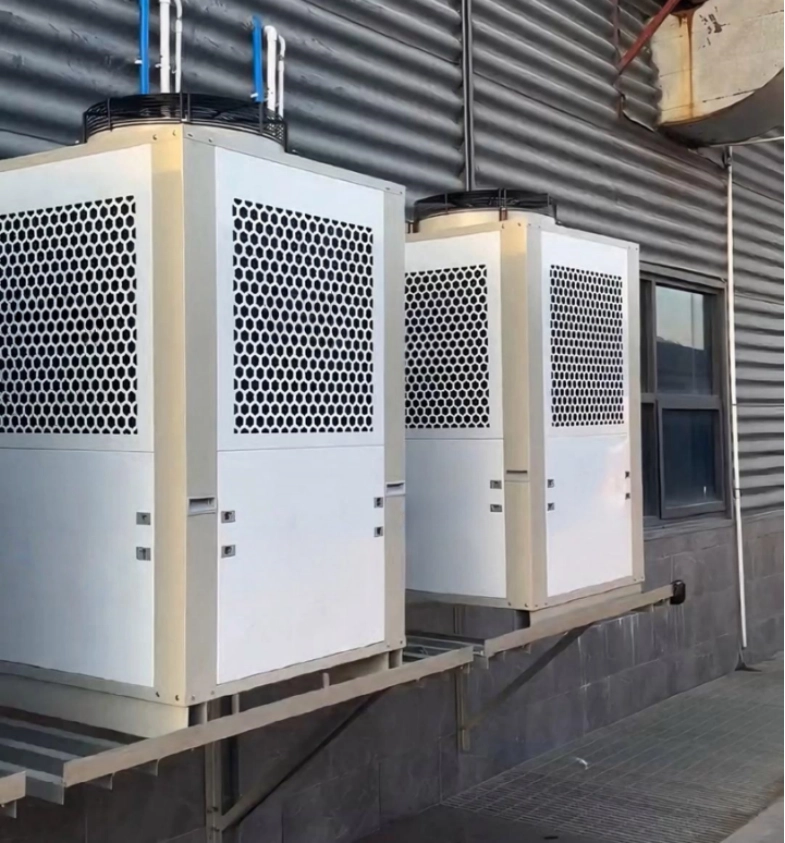
Такая гибкость значительно повышает устойчивость производства. Она помогает минимизировать простои на заводе. Она также повышает эффективность использования ресурсов. В некоторых отраслях промышленности наблюдаются колебания производственных нагрузок. Хорошими примерами являются пищевая промышленность и производство электроники. Модульные системы обеспечивают этим отраслям высокую надежность и простоту внесения изменений.
Роль испарительного охлаждения в повышении энергоэффективности
Испарочное охлаждение Необходимо уделять больше внимания вопросам «зеленого» строительства. В таких системах используется естественное испарение воды для снижения температуры воздуха. Этот процесс потребляет очень мало электроэнергии по сравнению со стандартными компрессорными установками. Обычные кондиционеры потребляют огромное количество энергии в жарких и сухих местах. Испарительные установки, однако, работают очень эффективно в таких условиях.
Эти системы помогают зданиям получать экологические награды, такие как LEED. Они достигают этого за счет снижения общего энергопотребления. Они демонстрируют фундаментальный принцип. Простые физические процессы, такие как испарение, могут превзойти сложные механизмы. Инженерам нужно лишь правильно их сконструировать.
Согласование решений в области промышленного охлаждения с целями устойчивого развития компании.
Связь между производительностью оборудования и корпоративными обязанностями с каждым годом становится все крепче.
Как компании могут интегрировать энергосберегающие кондиционеры в свои концепции ESG?
Компаниям, стремящимся улучшить свой ESG-рейтинг, необходимо включить в свои планы по сокращению выбросов углекислого газа эффективные системы охлаждения. Руководители должны отслеживать данные об энергопотреблении каждого агрегата. Это позволит точно контролировать прогресс в области охраны окружающей среды.
В этом процессе крайне важна прозрачная отчетность. Компании должны указывать эти улучшения в своих отчетах по ESG. Это демонстрирует истинную честность перед инвесторами и партнерами. Повышение эффективности охлаждения выходит за рамки простых математических расчетов. Оно служит наглядным доказательством грамотного руководства компании.
Экономическая ценность инвестиций в экологически устойчивые системы охлаждения
Экологичное охлаждение — это не просто этичное решение, это ещё и экономически выгодное решение. Снижение энергопотребления напрямую уменьшает коммунальные платежи, улучшая долгосрочные финансовые показатели ещё до учёта преимуществ, связанных с регулированием.
Также растет интерес инвесторов к компаниям, внедряющим экологически чистые технологии; эффективное оборудование свидетельствует о дальновидном менеджменте и осведомленности об изменениях в климатической политике. Некоторые правительства предлагают налоговые льготы или субсидии на установку сертифицированных экологически чистых систем отопления, вентиляции и кондиционирования воздуха, что еще больше повышает потенциальную окупаемость инвестиций.
Партнерство с DAIHO Ventilation
Среди производителей, разрабатывающих технологии отопления, вентиляции и кондиционирования воздуха следующего поколения, Вентиляция DAIHO Отличительной чертой компании является ее ориентация на повышение эффективности производства в сочетании с принципами устойчивого развития.
Чем отличаются энергосберегающие кондиционеры DAIHO Ventilation?
Вентиляции DAIHO энергосберегающие кондиционеры Они сочетают в себе интеллектуальное управление, модульную конструкцию и технологии испарительного охлаждения. Разработаны специально для сложных промышленных условий, где поддержание стабильных температурных условий имеет важное значение при минимизации энергопотребления.
В основе подхода DAIHO Ventilation к реализации проектов лежит сотрудничество. Совместное проектирование гарантирует разработку решений, адаптированных к потребностям каждого объекта.
Каждая система отражает тщательную инженерную разработку, направленную на непосредственную поддержку целей клиентов в области соблюдения требований ESG — от сокращения выбросов в процессе эксплуатации до оптимизации затрат на протяжении всего жизненного цикла.
Часто задаваемые вопросы
В1: Чем энергосберегающий кондиционер отличается от традиционных моделей?
В нем используются частотно-регулируемые приводы и современные хладагенты. Он оснащен интеллектуальным управлением для оперативной регулировки работы. Это позволяет избежать работы на строго фиксированной скорости в течение всего дня.
Вопрос 2: Может ли модернизация систем охлаждения действительно повлиять на рейтинги ESG?
Да. Эффективные кондиционеры сокращают выбросы парниковых газов (категории 2) от ежедневного потребления электроэнергии. Многие рейтинговые организации учитывают именно этот показатель при оценке экологических инициатив.
Вопрос 3: Подходят ли испарительные охладители для всех регионов?
Они лучше всего работают в сухих местах с очень низкой влажностью. В условиях повышенной влажности могут потребоваться гибридные конструкции. Такие комбинированные модели обеспечивают баланс между экономией электроэнергии и комфортом для работников.
Вопрос 4: Какую окупаемость инвестиций могут ожидать компании от инвестиций в системы отопления, вентиляции и кондиционирования воздуха?
Сроки окупаемости могут варьироваться. Обычно они составляют от двух до пяти полных лет. Это зависит от местных цен на электроэнергию, а также от государственных субсидий на экологически чистые технологии.
Вопрос 5: Влияет ли модульная конструкция на долговечность системы?
Нет — зачастую это улучшает ситуацию, облегчая доступ для технического обслуживания и снижая нагрузку на отдельные компоненты за счет распределенных моделей работы.
 English
  Russian
  Arabic
  Spanish
  French
  Italian