

Профилактика теплового стресса на рабочем месте: 7 решений по охлаждению для руководителей заводов
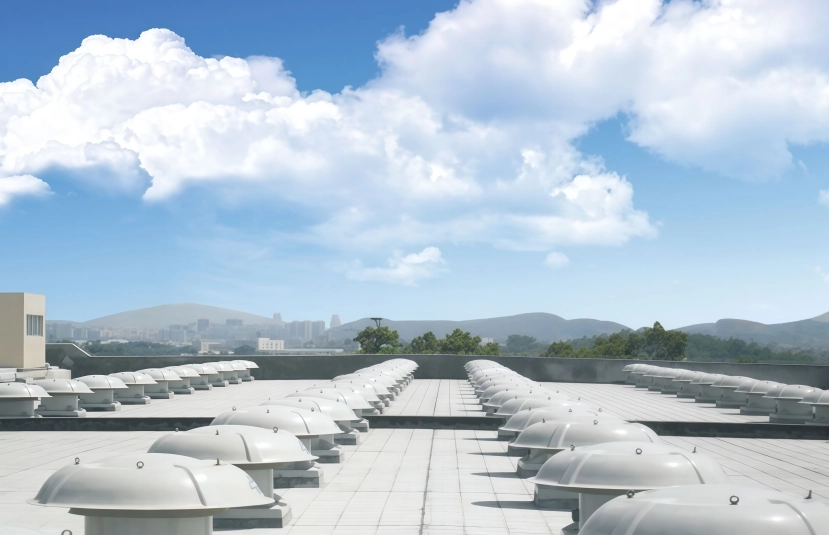
Заводы функционируют как оживленные центры. В них сочетаются оборудование, рабочие и повседневные операции. Этот баланс быстро нарушается при повышении температуры. Предотвращение теплового стресса выходит за рамки простых правил. Оно имеет важное значение для стабильной работы и безопасности работников.
Что вызывает тепловой стресс на заводах?
На промышленных предприятиях обычно весь день работает тяжелое оборудование. Непрерывная работа приводит к постоянному нагреву. В старых зданиях плохая циркуляция воздуха значительно усугубляет ситуацию. Застоявшийся воздух задерживается внутри помещений. Уровень влажности повышается. Рабочее место быстро становится неуютным и душным. Персонал устает гораздо быстрее. Их концентрация внимания начинает снижаться.
Жаркая летняя погода усугубляет эту проблему. В таких местах, как Юго-Восточная Азия, этот суровый климат особенно актуален. Металлические крыши весь день поглощают яркое солнце, и тепло проникает в помещение еще долго после наступления темноты. Правильная циркуляция воздуха жизненно важна. Без хороших систем охлаждения тепло в помещении легко превосходит тепло на улице. Вы можете увидеть, как сотрудники вытирают пот со своих панелей управления. Многие выходят на улицу, чтобы просто подышать свежим воздухом.
Почему руководителям заводов следует уделять первостепенное внимание профилактике теплового стресса?
Игнорирование теплового стресса обходится очень дорого. Производительность падает, потому что персонал медленнее передвигается в жару. Операционные ошибки происходят чаще. Уставший работник может пропустить важные этапы настройки. Эта единственная ошибка может остановить всю производственную линию. Длительное воздействие жары приводит к потере жидкости или тепловому удару. Эти опасности для здоровья несут серьезные юридические риски для владельцев предприятий.
Безопасные привычки защищают здоровье и обеспечивают бесперебойную работу. Прохладное помещение поддерживает командный дух. Это также сокращает количество больничных дней. Приобретение качественного охлаждающего оборудования быстро окупается. Это приводит к меньшему количеству перебоев и более стабильной ежедневной работе. Многие заводы стремятся к бережливому производству. Для них стабильный микроклимат является строгим условием.
7 эффективных решений для охлаждения, подходящих для руководителей заводов
Для решения проблемы теплового стресса на рабочем месте необходимы качественные инструменты и грамотное планирование. Каждое предприятие имеет уникальную планировку и ежедневную нагрузку. Эти особенности влияют на выбор технологии охлаждения.
1. Высокоэффективные промышленные вентиляторы
Эффективная циркуляция воздуха является основой стратегии охлаждения на заводе. Большие промышленные вентиляторы Они перемещают большие объемы воздуха. Они удаляют накопившееся тепло и дым из зон интенсивного использования. Место установки этих вентиляторов очень важно. Они должны перемещать воздух по всему помещению. Следует избегать зон застоя воздуха.
Более новые модели оснащаются интеллектуальными системами управления. Эти системы регулируют скорость вращения вентилятора в зависимости от температуры в помещении или количества людей. Это позволяет сократить потери электроэнергии в тихие смены. В металлообрабатывающих и текстильных цехах образуется много пыли. Высокоэффективные вентиляторы эффективно очищают воздух в таких условиях. Они также отлично справляются с предотвращением теплового стресса.
2. Испарительные системы охлаждения для крупных цехов
Испарительные охлаждатели Используйте обычную воду для снижения температуры в помещении. Эта простая идея отлично работает в сухих местах с умеренным ветром. Она хорошо подходит для больших открытых мастерских. Обычные кондиционеры слишком дороги в эксплуатации в таких условиях.
Эти устройства потребляют гораздо меньше энергии, чем стандартные кондиционеры. Это делает их разумным выбором с точки зрения бюджета. Обслуживание довольно простое. Подушки и насосы требуют лишь регулярной очистки по графику. Это обеспечивает их бесперебойную работу в жаркое лето.
3. Энергоэффективные кондиционеры для целенаправленного охлаждения
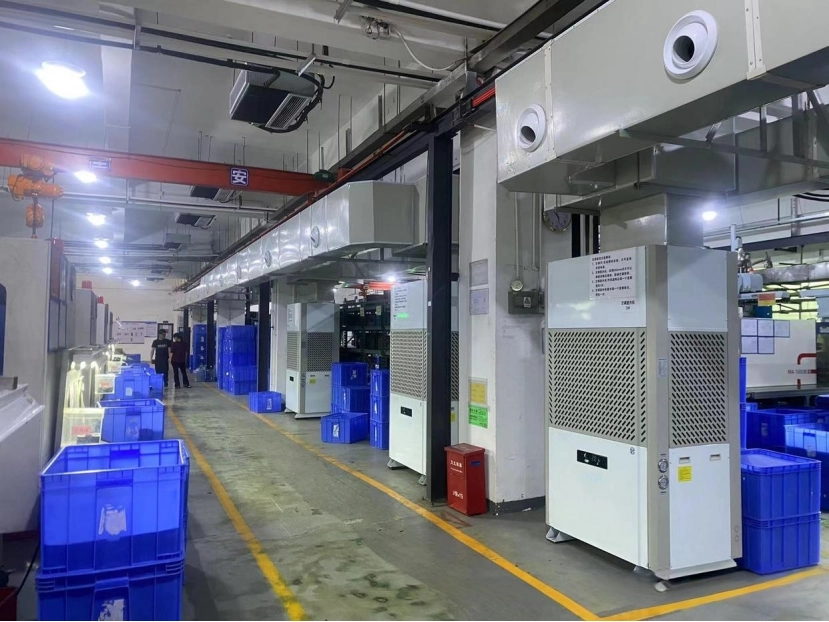
В некоторых зонах требуется точный контроль температуры. К этой группе относятся диспетчерские и технологические сборочные линии. Им необходимо стабильное охлаждение независимо от внешних погодных условий. Энергоэффективные кондиционеры Они обеспечивают именно такое охлаждение. Кроме того, они потребляют очень мало энергии в периоды низкой активности. Их можно подключить к центральным системам управления. Это позволяет менеджерам удаленно отслеживать состояние системы.
Этот прямой метод позволяет избежать охлаждения больших пустых пространств. Он охлаждает только те места, которые в этом нуждаются. Эта продуманная тактика повышает общую эффективность вашей промышленной системы охлаждения.
4. Системы осушения воздуха для влажных промышленных зон
Уровень влажности часто недооценивают. Однако высокая влажность создает некомфортные условия труда. Она также быстро повреждает дорогостоящее оборудование. Избыточная влажность портит бумагу в типографиях. Она приводит к опасным статическим искрам на предприятиях электронной промышленности.
Мощные осушители воздуха поддерживают стабильный уровень влажности в помещении. Они хорошо работают в паре со стандартными вентиляторами. В результате в помещении ощущается гораздо более низкая температура. Качество продукции постоянно улучшается. Кроме того, деликатные устройства требуют гораздо меньше ремонта.
5. Решения для локального охлаждения зон комфорта для работников.
Иногда наиболее эффективным решением является направленный поток холодного воздуха. Портативные локальные охладители Обеспечивают быстрое охлаждение. Они направляют поток воздуха прямо на стационарные рабочие столы. Сотрудники, которые весь день стоят за столами для проверки документов, в восторге от этого.
Эти передвижные модули легко адаптируются к временам года. Их можно использовать в пик летней жары. Их можно хранить, когда температура падает.
6. Кровельные вентиляторы и вытяжные системы для отвода тепла.
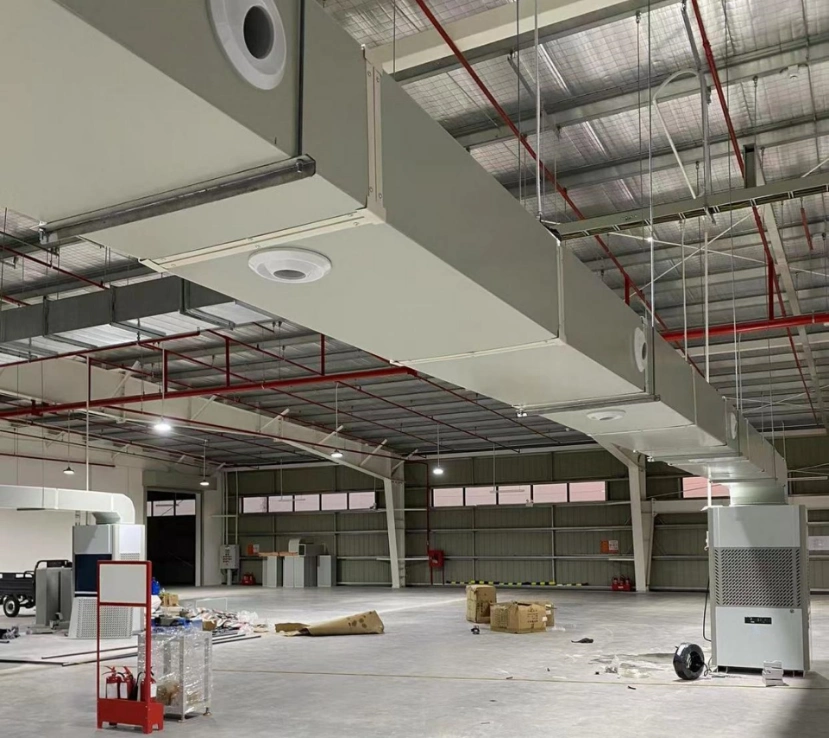
Теплый воздух всегда поднимается вверх. Крышные вентиляторы используют этот основной факт. Они удаляют горячий воздух, скапливающийся у потолка. Их можно использовать в паре с нижними настенными вентиляционными отверстиями. Это создает естественный воздушный контур. При этом они потребляют очень мало энергии.
Крупные склады и литейные цеха с высокими потолками значительно выигрывают от этого решения. Этот тихий метод позволяет уменьшить скопление тяжелых тепловых слоев, не прибегая к использованию шумных кондиционеров.
7. Интеллектуальные системы управления для комплексного контроля охлаждения
Интеллектуальные технологии объединяют все системы охлаждения. Центры управления отслеживают температуру и влажность в помещении, контролируют скорость вращения вентиляторов и подсчитывают количество людей внутри. Для этого используются небольшие датчики, расположенные по всему полу.
Быстрая проверка данных позволяет оперативно вносить изменения. Система ускоряет работу вентиляторов до того, как в помещении станет слишком жарко. Она замедляет их работу, когда воздух становится комфортным. Это предотвращает потери электроэнергии. Благодаря этому в каждой рабочей зоне поддерживается идеальная температура.
Как выбрать подходящую промышленную систему охлаждения
Выбор оптимального инструмента зависит от нескольких ключевых факторов. Размер здания определяет потребности в притоке воздуха. Местные погодные условия подскажут, нужен ли вам сухой или влажный воздух для охлаждения. Цены на электроэнергию повлияют на окончательный выбор. Влажность влияет как на комфорт персонала, так и на качество продукции. Потребности в свежем воздухе меняются в зависимости от выполняемой работы.
Химическому заводу нужны мощные вытяжные вентиляторы. Текстильному комбинату требуются огромные вентиляторы в сочетании с системой контроля влажности. В цехе технической сборки могут выбрать именно те кондиционеры, которые им нужны. Эти устройства обычно подключаются к интеллектуальным компьютерным системам управления.
Почему стоит выбрать компанию DAIHO Ventilation в качестве партнера по промышленному охлаждению?
Вентиляция DAIHO Компания разрабатывает индивидуальные решения для охлаждения заводов и предприятий различных отраслей по всему миру. В таких местах, как автомобильные заводы и предприятия пищевой промышленности, часто действуют очень строгие температурные ограничения.
Такие продукты, как мощные промышленные вентиляторы и испарительные охладители, разработаны в соответствии с современными экологическими стандартами. Каждое устройство демонстрирует высочайшее качество проектирования. Компания DAIHO Ventilation обеспечивает не только высокоэффективное охлаждение, но и чрезвычайно низкое энергопотребление. Свяжитесь с DAIHO Ventilation для получения индивидуального решения по охлаждению.
Часто задаваемые вопросы
В1: Как тепловой стресс влияет на производительность труда работников?
Чрезмерная жара снижает скорость реакции. Она сильно утомляет персонал. Это приводит к увеличению количества ошибок на загруженной производственной линии.
Вопрос 2: Подходят ли испарительные охладители для влажного климата?
Они лучше всего работают в сухих местах. Если вы живете во влажном районе, используйте их вместе с осушителями воздуха. Это даст гораздо лучшие результаты.
В3: Какой вариант является наиболее энергоэффективным для крупных заводов?
В данном случае лучше всего подойдет комбинированный подход. Используйте высокоэффективные вентиляторы, подключенные к интеллектуальным системам управления. Это обеспечит отличный баланс между низкой стоимостью и холодным воздухом.
Вопрос 4: Как часто следует проводить техническое обслуживание систем вентиляции?
Проверяйте их четыре раза в год. Это обеспечивает свободную циркуляцию воздуха и предотвращает попадание густой пыли, которая может снизить скорость вращения вентилятора.
Вопрос 5: Может ли компания DAIHO Ventilation разработать индивидуальные решения для старых зданий?
Да. Компания DAIHO Ventilation разрабатывает продуманные решения для модернизации устаревших систем вентиляции. Они устанавливают новое оборудование в вашем здании. Вам не нужно сносить стены.
 English
  Russian
  Arabic
  Spanish
  French
  Italian