

Questions to Ask Before Choosing a Ventilation System Supplier

Choosing the right ventilation system supplier directly determines whether your industrial project operates efficiently or encounters recurring issues. The difference between a reliable and an unsuitable supplier lies in their technical expertise, product range, and long-term service support. If you run big sites or production areas, you should figure out the right questions to ask before settling on a supplier. This isn’t merely clever—it’s key to steady results and managing expenses.
Why the Right Supplier Matters for Industrial Projects
A reliable ventilation system supplier ensures equipment operates efficiently over the long term. High-quality systems provide consistent airflow, regulate temperature, and reduce overall energy consumption. A supplier with good tech skills creates fixes that match eco rules and your work targets. Linking with a professional manufacturer cuts upkeep bills and lowers shutdown chances. That counts big in fields driven by output, where each hour matters.
The Role of Ventilation Systems in Industrial Environments
Ventilation systems should be viewed as essential components of industrial safety and operational stability. They tie directly to keeping staff safe and operations steady. Proper airflow prevents heat buildup, removes pollutants, and maintains safe humidity levels. Gear like evaporative coolers or dehumidifiers that save power also back green plans. They use less electricity yet hold ideal settings.
Evaluating Supplier Experience and Expertise
With the value of a good partner clear, check their history as your following move.
How Long Has the Supplier Been in the Industry?
Long-term industry presence is often an indicator of reliability. Firms with lots of years sharpen their build methods across jobs. They grasp how markets change and spot tech issues ahead. Established companies are better equipped to deliver customized solutions for complex environments. Newcomers often find that hard.
What Types of Ventilation Systems Do They Offer?
A comprehensive product portfolio indicates the supplier’s ability to meet diverse industrial requirements. Check if they provide fans, air conditioners, evaporative coolers, dehumidifiers, and linked extras from one source. A professional supplier such as DAIHO Ventilation should offer a wide range of products, including industrial fans, evaporative air coolers, dehumidifiers, and related accessories, suitable for applications such as factories, warehouses, greenhouses, and poultry farms.
Assessing Product Quality and Technical Capabilities
When you handle big-power ventilation setups, you must lock in quality checks.
What Standards and Certifications Do Their Products Meet?
Double-check they stick to worldwide marks like ISO or CE. Items with these seals promise safety plus steady work in hard spots. They ease through official checks or green reviews too.
Are Their Systems Designed for Energy Efficiency?
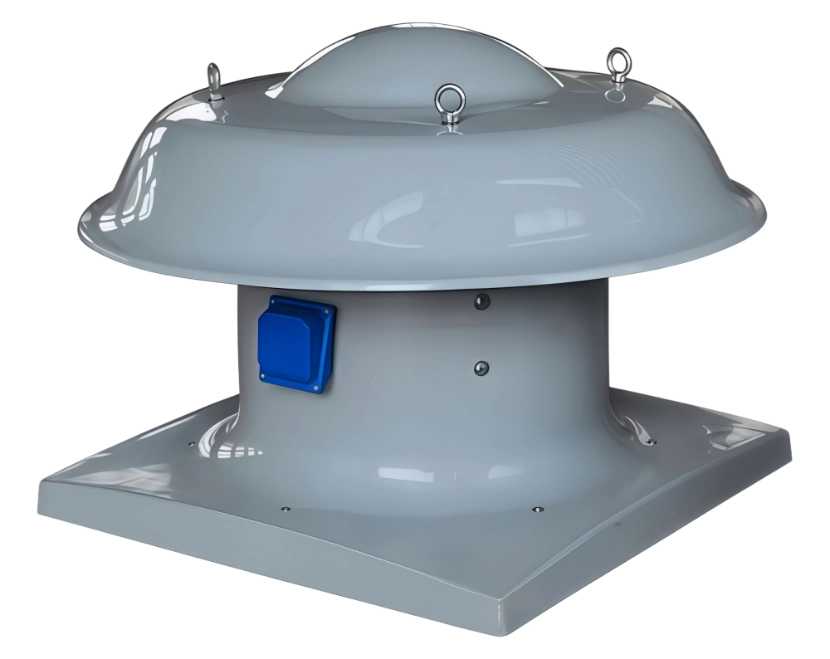
Ventilation setups that save energy bring clear savings as time goes on. Modern designs optimize airflow while reducing energy consumption. For example, fiberglass exhaust fans are widely used in medium and large facilities due to their durability and energy efficiency. It keeps energy low too. That’s a great match for spots with high power rates.
Understanding Customization and Engineering Support
No two sites share the same space limits or heat flows, so fitting things custom proves vital.
Can They Provide Tailored Solutions Based on Your Facility’s Needs?
Evaluate whether the supplier can customize system designs based on humidity conditions and structural constraints. Made-to-fit building work gets air to main areas without uneven push or blank zones. Suppliers with strong engineering capabilities can provide integrated, site-specific solutions tailored to different environmental and operational requirements.
What Kind of Technical Support Is Available During Installation and Operation?
Steady suppliers stay in touch beyond shipping. Hands-on help at setup avoids mistakes that hurt output down the road. After that, check-ins or far-off fixes keep runs stable for long stretches.
Reviewing After-Sales Service and Maintenance Options
After-sales service is often overlooked until operational issues arise. But it stands as a top sign of a supplier’s strength.
What Is Included in Their After-Sales Service Package?
A firm program covers guarantees, ready parts, fast replies, and advice paths. These services help minimize downtime during unexpected system failures. Sort out these bits before any agreement to skip later fights.
How Do They Handle Maintenance or System Upgrades?
Upfront upkeep holds systems at best output and lengthens their run. Certain suppliers offer add-on sets that lift air power or save more energy. You skip full swaps this way. It suits folks using gear long-term who want slow updates.
Comparing Pricing, Delivery, and Project Timelines
Prime gear drops in worth if late ships throw off your timeline.
How Transparent Is Their Pricing Structure?
Ask for broken-down quotes that hit every cost: gear price, setup fees, choice extras, ship costs, and taxes where needed. Transparent pricing supports accurate budgeting and prevents unexpected costs.
Can They Deliver Within Your Project Schedule?
Weigh their make power by eyeing old case looks or client nods.
Checking Reputation and Client Feedback
Standing holds as a prime trust mark when you line up suppliers.
What Do Other Clients Say About Their Services?
Customer feedback provides insights beyond marketing claims. Steady upbeat notes on steadiness or gear life show a firm keeps its word. This shines in areas where stops mean money lost.
Do They Have Experience Serving Similar Industries?
Firms who know your line get its exact hurdles, like dust buildup in cloth mills or moisture watch in food holds. Suppliers with experience in construction and agricultural sectors are better equipped to address industry-specific challenges.
Key Takeaways When Selecting a Ventilation System Supplier
Selecting a ventilation system supplier involves more than comparing product prices. It requires establishing a long-term partnership based on technical expertise and reliability. Hunt firms that blend new sparks with tried strength. They support their goods well past setup day.
Select suppliers offering broad product lines adaptable to your environment.
Prioritize energy-efficient technologies aligned with sustainability goals.
Ensure continuous technical support from design through maintenance stages.
Favor transparent pricing structures tied to realistic delivery timelines.
Verify strong client feedback reflecting consistent service quality.
Long-run ties bring smart air control plus tough setups ready for weather shifts. Every sharp industrial head sees value in that now.
FAQs
Q1: What should I check first when evaluating a ventilation system supplier?
Start by reviewing their experience level and certifications; these reflect reliability and compliance with quality standards.
Q2: How important is energy efficiency when selecting ventilation equipment?
It’s crucial since energy-efficient systems reduce operational costs while supporting sustainability goals.
Q3: Does DAIHO Ventilation provide customized solutions?
Yes, DAIHO offers tailored engineering based on facility layout, temperature control needs, and humidity conditions.
Q4: What kind of after-sales service should I expect from a good supplier?
Comprehensive warranty coverage, spare parts access, quick response times, and ongoing maintenance support are key indicators.
Q5: How do I know if my chosen supplier can meet project deadlines?
Review their case studies or past delivery records; consistent on-time performance signals strong production capacity and logistics management capabilities.
 English
  Russian
  Arabic
  Spanish
  French
  Italian