

Top 5 Roof Ventilation Trends in 2026 You Shouldn’t Miss
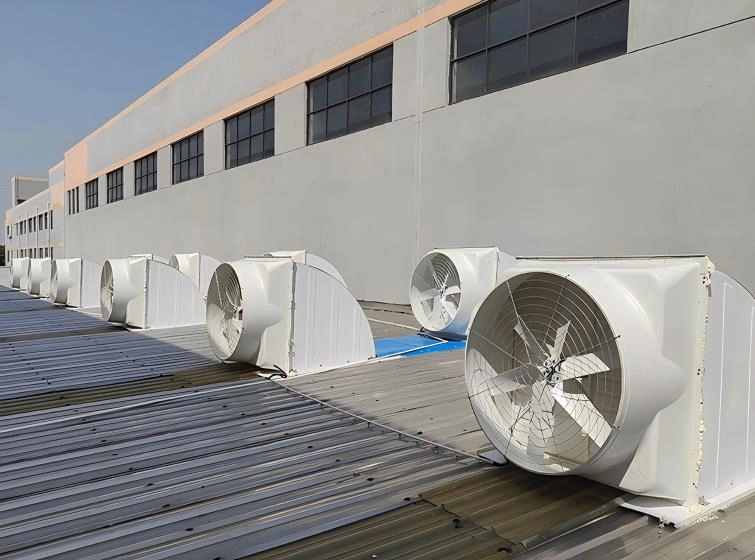
When it comes to modern roofing, the focus is no longer limited to material durability or aesthetics, but also to ventilation performance. The best roof ventilation system balances airflow, energy efficiency, and long-term durability. Homeowners and facility managers are turning more and more to better options like a roof ventilation exhaust fan.
What Is the Most Effective Roof Ventilation?
The most effective roof ventilation system combines smart fan technology with aerodynamic airflow design to create consistent, controlled air movement. Instead of relying on passive vents alone, modern systems use intelligent fans that automatically adjust based on temperature and humidity, ensuring optimal air exchange without manual intervention.
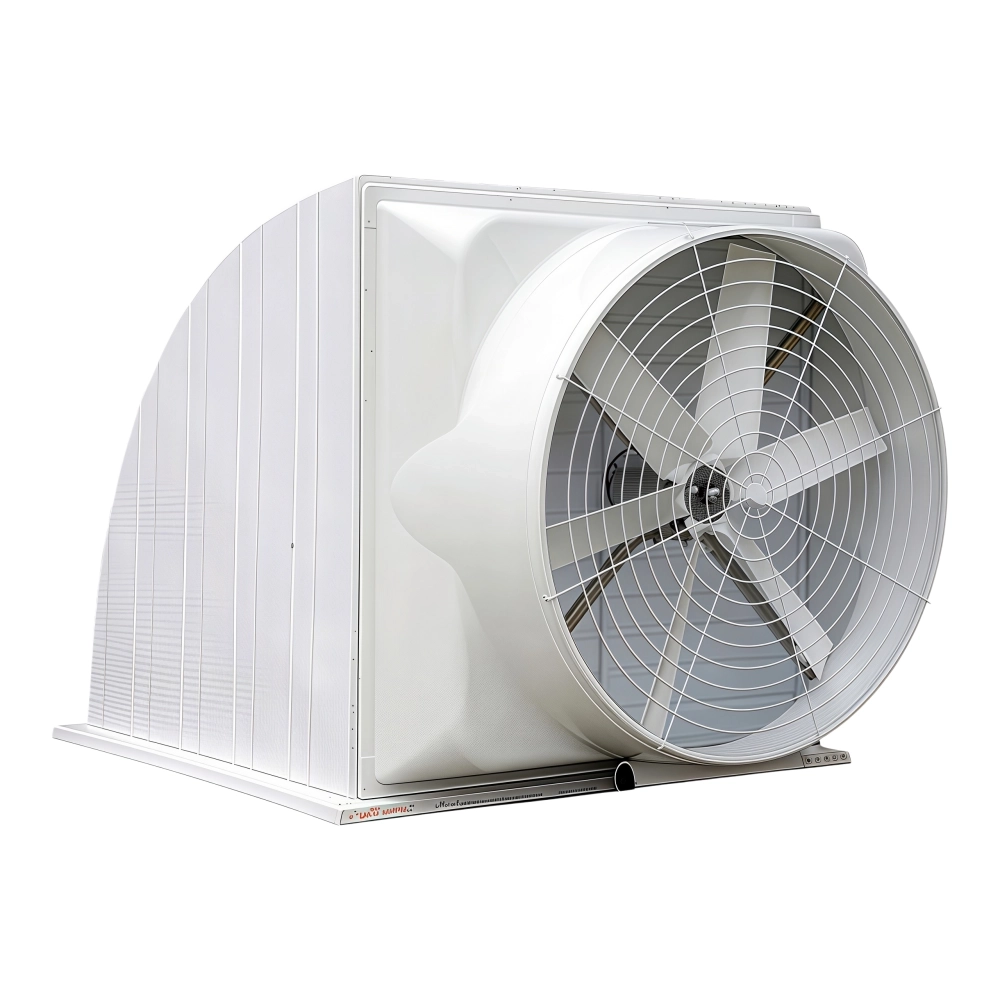
A key advancement is the use of negative pressure ventilation systems powered by EC (electronically commutated) motors. Compared to traditional AC motor fans, EC motors deliver higher efficiency, lower energy consumption, and more precise speed control. This results in stable airflow, reduced heat buildup, and improved energy performance across the entire building envelope.
Three Factors Determining Ventilation Effectiveness
A key shift in evaluation is that ventilation performance is not only determined by airflow volume.It also depends on how airflow interacts with the building’s thermal envelope. The following three factors determine overall system performance.
Air Exchange Rate
The air exchange rate shows how fast inside air gets swapped for outside air. A good system should manage 10–12 full air changes each hour in attic areas. A right-sized roof ventilation fan keeps air moving well. This holds true even in big factory buildings. Insufficient airflow can lead to condensation, which promotes mold growth and accelerates wood deterioration. These issues can quietly harm the building’s strength over time.
Energy Efficiency
An efficient system minimizes energy consumption while maximizing cooling performance. New EC motor fans use up to 60% less energy than old AC types. Smart temperature controls cut waste more. They operate only when necessary, reducing unnecessary energy use. In business settings, adding solar-powered units lowers costs a lot. And they keep working well during the day.
Durability
Durability shows how well a system handles tough weather. This includes resistance to UV exposure, salt corrosion, and heavy rainfall. Rust-proof bodies are common now in good fans. Routine care, like wiping louvers and looking at motor seals, makes them last longer. It can add years to their life.
What Is the Best Roof for Your Money?
Choosing the right roofing material means weighing cost, how long it lasts, and upkeep needs. The following table compares common roofing options:
| Roofing Material | Average Cost (per sq ft) | Lifespan (years) | Energy Efficiency Rating |
| Galvalume Steel Roofs | $5–$9 | 40–60 | High |
| PVC Membrane Roofing | $7–$11 | 25–35 | Very High |
| Asphalt Shingles | $3–$5 | 15–25 | Moderate |
Galvalume steel roofs reflect heat well. They fight rust too. This makes them great for beach or factory areas. PVC membrane roofing works best on flat roofs. It seals water out smoothly. Asphalt shingles cost less up front. But they need replacing more often.
What Is the Newest Material for Roofing?
Recent advancements in roofing technology have introduced new materials. It brings materials for green living and heat control:
- PCM Coatings (Phase Change Materials):These coatings take in extra heat by day. They let it out at night. So, they keep roof temperatures even.
- Cool Polymer Tiles:These shiny polymers cut sun heat by up to 50%. That drops attic heat a bunch.
- Bio-based Shingles:They come from green stuff like soy resin or plant fibers. They offer a nature-friendly choice. And they stay tough.
- Graphene-enhanced Composites:These light but strong materials boost heat flow. They also stand up to sun damage.
These new ideas fit with world goals for saving energy. They make inside spaces more comfy too.
What Is the Problem with Roof Ventilation?
Even well-designed systems can experience issues if installation or maintenance is inadequate. Common issues include uneven intake-to-exhaust flow. Or blocked soffit vents from too much insulation. Sometimes, small fans cannot handle air needs in big buildings. Noise is another often-overlooked issue. Old fans can shake and make sounds that echo through ceilings. Newer ones have soft mounts to quiet that down.
Most Common Ventilation Problems and Solutions
Knowing usual problems helps keep your ventilation setup solid over time.
Condensation Issues
Condensation happens when warm inside air hits cold roof parts. To fight it:
- Put vapor barriers under insulation.
- Use fans with temperature controls.
- Make sure eaves have enough intake vents.
Hot Spots
Uneven air flow often causes hot spots. These are areas that get too warm. They can wear out roofing early. Or soften shingles from inside. Placing ridge vents right, along with powered fans, fixes these heat differences well.
High Energy Use
Systems that are not tuned right can raise power bills. Instead of cutting them, switch to fans with speed changes. Or add solar help. This lowers running costs. It boosts cooling too.
Conclusion
The key trends—smart controls, hybrid ventilation design, energy-efficient EC motor systems, solar integration, and durable materials—are reshaping how buildings manage heat and moisture. For homeowners and industrial users alike, adopting these modern ventilation strategies is no longer optional but essential for creating efficient, sustainable, and future-ready roofing systems.
Modern roof ventilation systems are evolving toward smarter control, higher energy efficiency, and improved durability. Integrating advanced fan technologies, optimized airflow design, and sustainable materials allows buildings to better manage heat and moisture.
For both residential and industrial applications, adopting these modern ventilation strategies is essential for improving energy performance, extending roof lifespan, and creating more sustainable building environments.
FAQs
Q1: How often should I clean my roof ventilation fan?
At least twice a year—once before summer and once before winter—to maintain peak airflow efficiency.
Q2: Can solar-powered roof exhaust fans work at night?
They typically rely on battery storage; if equipped with one, they’ll continue operating after sunset.
Q3: What size roof exhaust fan do I need?
It depends on attic volume; roughly 1 CFM per square foot of attic space is a good starting point.
Q4: Are PCM-coated roofs suitable for humid climates?
Yes, they perform well in both dry and humid regions due to their temperature-regulating properties.
Q5: Why does my attic still feel hot even with vents installed?
Possible causes include blocked soffits or undersized exhaust capacity—both fixable through proper assessment by a ventilation specialist.
 English
  Russian
  Arabic
  Spanish
  French
  Italian