

Как спроектировать систему вентиляции для логистического склада
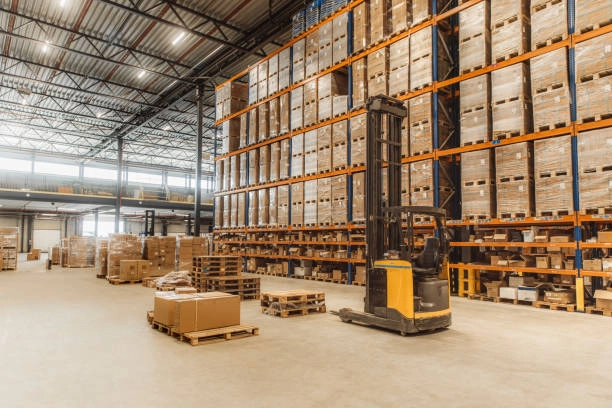
Без интеллектуальной системы вентиляции логистический склад неэффективен и не обеспечивает комфортных условий. Когда воздух застаивается, внутри склада накапливаются тепло и влага. Это может привести к порче хранящихся товаров и снижению производительности труда. Для решения этих проблем инженеры должны проанализировать циркуляцию воздуха вокруг здания, оборудования и местных погодных условий. Хорошо продуманная система поддерживает стабильную температуру и защищает ваши запасы. Она также значительно снижает затраты на электроэнергию.
Основные проблемы, возникающие в складских условиях
Огромные складские помещения сталкиваются со сложными проблемами циркуляции воздуха из-за своих больших размеров. В таких больших открытых пространствах поток воздуха часто неравномерный. Это приводит к тому, что в одних местах остается холодно, а в других становится слишком жарко. Оборудование, такое как погрузчики или конвейерные ленты, дополнительно нагревает определенные участки. Времена года также меняют потребности. Зимой могут образовываться влажные стены, а летом – высокая влажность. Поэтому ваша конструкция должна быть достаточно гибкой, чтобы справляться с любыми погодными условиями на открытом воздухе.
Оценка потребностей в вентиляции логистического склада.
Каждый логистический склад имеет уникальные требования к вентиляции. Ваша первоочередная задача — внимательно изучить форму здания и то, как ежедневно функционирует бизнес.
Оценка планировки помещения и потребностей в вентиляции.
Начните с проверки размеров здания, включая его высоту и общий объем. Также следует определить различные рабочие зоны. Обратите внимание на очаги перегрева, такие как погрузочные площадки, расположенные на солнце, или яркие осветительные приборы. Скорость воздухообмена следует рассчитывать в зависимости от уровня заполняемости и хранимых продуктов. Например, помещению, заполненному химикатами, требуется больше свежего воздуха, чем помещению с сухими боксами.
Учет экологических и производственных факторов
Местные климатические условия напрямую влияют на стратегию циркуляции воздуха. В дождливых или прибрежных районах предотвращение попадания влаги так же важно, как и поддержание прохлады. При слишком высокой влажности изделие может сгнить, а металл заржаветь. Для этого можно использовать осушители воздуха или испарительные охлаждатели для поддержания оптимального состояния воздуха круглый год. При подключении этих устройств к интеллектуальным датчикам система остается надежной даже при резких колебаниях температуры на улице.
Выбор подходящего вентиляционного оборудования
Выбор оборудования становится более эффективным после того, как четко определены требования к вентиляции. Различные инструменты лучше подходят в зависимости от планировки помещения и бюджета.
Выбор между системами естественной и механической вентиляции
Естественная вентиляция основана на использовании ветра и восходящего тепла для проталкивания воздуха через вентиляционные отверстия или жалюзи на крыше. Это отлично работает в регионах с мягким климатом и постоянным бризом. Механические системы используют вентиляторы с электроприводом для создания контролируемого воздушного потока. Эти системы обеспечивают постоянный контроль воздушного потока при различных погодных условиях. Во многих современных зданиях сейчас используется сочетание обоих методов. Этот гибридный стиль использует естественную вентиляцию для ежедневного притока воздуха и включает мощные вентиляторы, когда в здании становится слишком тесно или жарко.
Рекомендуемые варианты оборудования от DAIHO Ventilation
Вентиляция DAIHO Компания производит высокопрочные инструменты, предназначенные для использования в загруженных логистических центрах.
Промышленные вентиляторы и вытяжные системы
В вентилятор типа push pull Вентилятор оснащен лопастями, двигателем и специальной центробежной открывающейся частью. Он также имеет прочный внешний каркас и защитные сетки. Жалюзи вентилятора открываются при включении питания и надежно закрываются при выключении. Это предотвращает попадание дождя и пыли, что крайне важно для поддержания чистоты на складе. Эти вентиляторы изготовлены из прочной оцинкованной стали, поэтому они служат долго и не ржавеют. Модель DH(C)-1380-45 может перемещать 52 500 м³/ч воздуха при 440 об/мин. Это мощный выбор для больших помещений, таких как пищевые центры или швейные фабрики.
| Модель | Размеры (мм) | Диаметр гребного винта (мм) | Скорость вращения вентилятора (об/мин) | Расход воздуха (м³/ч) | Мощность (кВт) | Шум (дБ) |
| DH(C)-1380-40 | 1380×1380×400 | 1320 | 440 | 52,500 | 1.1 | 65 |
| DH(C)-1380-45 | 1380×1380×450 | 1320 | 440 | 52,500 | 1.1 | 65 |
Эти устройства хорошо зарекомендовали себя на заводах, а также в больших теплицах, где поддержание оптимальной температуры является первостепенной задачей.
Испарительные охлаждающие установки и осушители воздуха
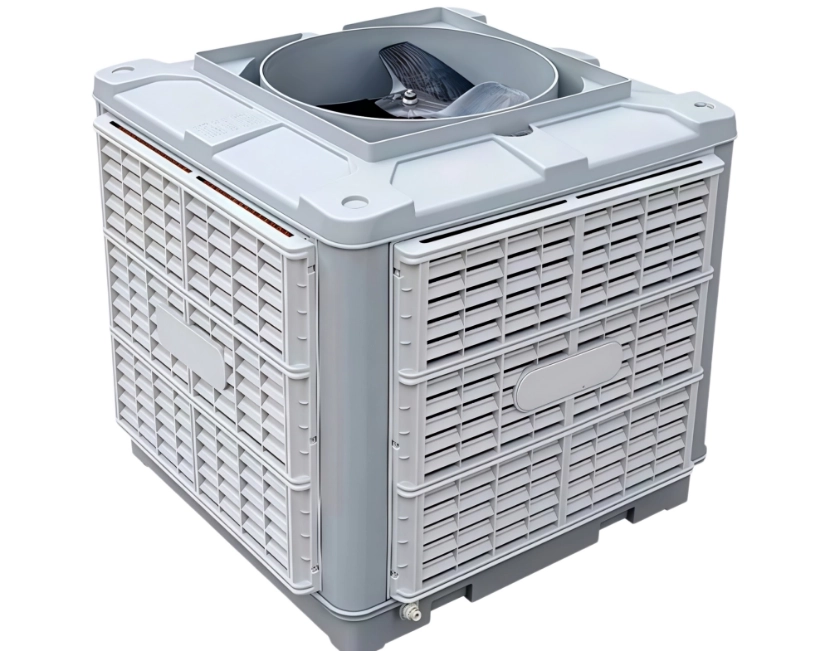
В жарких регионах с высокими ценами на электроэнергию испарительное охлаждение представляет собой энергоэффективное решение. Компания DAIHO Ventilation предлагает фиксированные цены. испарительный воздушный охлаждатель Этот кондиционер использует воду для естественного охлаждения воздуха. Его конструкция обеспечивает циркуляцию воздуха с трех сторон, поддерживая циркуляцию даже в самые жаркие дни. Он потребляет гораздо меньше энергии, чем стандартный кондиционер.
Это оборудование энергоэффективно и снижает ежемесячные эксплуатационные расходы. Оно способно эффективно охлаждать большие складские помещения. Поскольку оно работает за счет простого испарения, оно также более экологично.
| Модель | Объем воздуха (м³/ч) | Мощность (кВт) | Водный бак (L) | Расход воды (л/ч) |
| DH-18AS/BP (верхний выход) | 18,000 | 1.1 | 25 | 10 - 15 |
| DH-18BS/BP (боковой выброс) | 18,000 | 1.1 | 25 | 10 - 15 |
Для зон, требующих охлаждения лишь время от времени, DH 23ASY/BP представляет собой мобильную версию. Она оснащена колесиками, позволяющими перемещать ее к погрузочным площадкам, где во время напряженных смен становится слишком жарко.
Интегрированные системы управления
Автоматизация сегодня играет ключевую роль в управлении микроклиматом на складах. Датчики могут отслеживать температуру и автоматически изменять скорость вращения вентиляторов с помощью частотно-регулируемых приводов. Устройства для контроля влажности также управляют охладителями, поддерживая идеальную температуру воздуха без необходимости нажатия каких-либо кнопок.
Разработка эффективной стратегии организации воздушного потока
Покупка вентиляторов — это лишь часть решения. Их эффективность зависит от правильного размещения.
Планирование распределения воздуха в складском помещении
Приточные вентиляционные отверстия следует размещать с противоположной стороны от вытяжных вентиляторов. Это обеспечит свободный путь для циркуляции воздуха по всему складу. При высоких потолках может потребоваться прокладка воздуховодов для направления теплого воздуха к рабочему уровню. Это позволит поддерживать комфортную температуру на уровне пола для персонала.
Зонирование различных функциональных зон
Разделение склада на зоны помогает лучше управлять микроклиматом. Поддержание стабильной температуры предотвращает деформацию хранящихся коробок и материалов. Это позволяет поддерживать запасы в отличном состоянии. В этих зонах постоянно ведется работа, и двери часто открыты. Это приводит к проникновению тепла и выхлопных газов грузовиков. Мощные вытяжные вентиляторы быстро очищают воздух, а локальные охладители помогают работникам оставаться продуктивными в часы пик.
Вопросы внедрения и обслуживания.
Даже самая лучшая система выйдет из строя, если она неправильно установлена или не содержится в чистоте. Правильно выровняйте воздуховоды, чтобы минимизировать вибрацию и шум. Держите воздуховоды как можно прямее, чтобы обеспечить свободный поток воздуха. Перед началом работы системы следует провести дымовую проверку. Это покажет вам, как именно движется воздух, и позволит устранить любые застойные зоны на ранней стадии.
Запыленные фильтры забивают воздух и заставляют двигатель работать с большей нагрузкой. Их следует чистить каждые несколько месяцев. Подшипники необходимо смазывать, а проводку проверять на наличие повреждений. Использование цифровых инструментов для наблюдения за системой поможет выявить мелкие неполадки до того, как они превратятся в серьезные поломки.
Партнерство с DAIHO Ventilation
Выбор правильного партнера значительно упрощает процесс проектирования. Компания DAIHO Ventilation предлагает индивидуальные решения, сочетающие вентиляторы и охладители для максимальной энергоэффективности. В наших системах используются частотно-регулируемые приводы, которые реагируют на температуру в режиме реального времени. Системы работают бесшумно, чтобы не беспокоить персонал. Команда DAIHO оказывает поддержку от первоначальной консультации до окончательной установки. Мы гарантируем, что ваш склад будет соответствовать всем правилам безопасности и будет работать долгие годы.
Часто задаваемые вопросы
В1: Какова оптимальная скорость воздухообмена для логистического склада?
Обычно это составляет от шести до двенадцати замен воздуха в час. Это позволяет поддерживать свежесть воздуха без чрезмерного расхода электроэнергии.
В2: Чем испарительное охлаждение отличается от традиционных систем отопления, вентиляции и кондиционирования воздуха?
Эти охладители потребляют гораздо меньше электроэнергии, поскольку в них не используются тяжелые компрессоры. Это отличный и недорогой вариант для засушливых регионов.
В3: Может ли естественная вентиляция справиться с большими складскими помещениями?
Это работает только при очень стабильном ветре. Для большинства больших зданий гибридная система является более безопасным и надежным вариантом.
Вопрос 4: Какой график технического обслуживания обеспечивает эффективную работу промышленных вентиляторов?
Протирайте лезвия каждый месяц и промывайте фильтры каждые три месяца. Проверяйте детали двигателя два раза в год, чтобы избежать поломок.
В5: Зачем использовать зонирование при проектировании вентиляции складских помещений?
Зонирование позволяет сосредоточиться на конкретных потребностях. Вы можете охлаждать товары в одной зоне, а обеспечить дополнительную вентиляцию для рабочих — в другой.
 English
  Russian
  Arabic
  Spanish
  French
  Italian