

كيفية اختيار الحجم المناسب لمروحة HVLS لمنشأتك
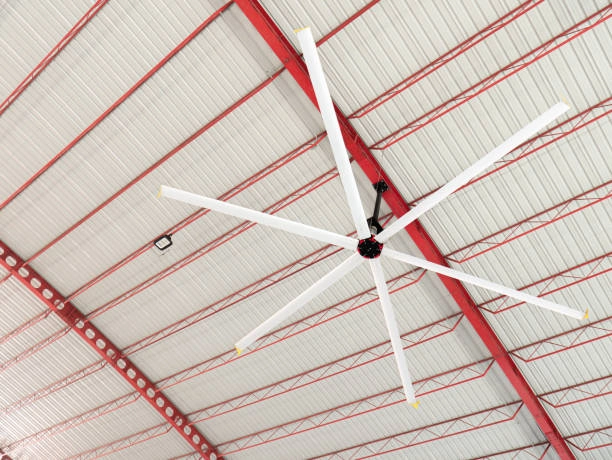
يُعدّ اختيار مروحة HVLS بناءً على مساحة الأرضية فقط اختصارًا شائعًا، ولكنه غالبًا ما يؤدي إلى ضعف أداء تدفق الهواء. فمستودع مساحته 20,000 قدم مربع وارتفاعه 10 أمتار يمكن أن يختلف أداؤه تمامًا عن مستودع مكتظ بالرفوف والرافعات ومعدات التصنيع.
يلعب قطر المروحة وارتفاع تركيبها ومسار تدفق الهواء أدوارًا حاسمة في تحديد الأداء. وكذلك المناطق المشغولة وكيفية استخدام المبنى. يضمن الحجم المناسب لمروحة HVLS توجيه الهواء بدقة إلى حيث يحتاجه الأشخاص والعمليات، مما يجنب مشاكل المساحة أو التداخل الزائد.
لماذا يُعد حجم مروحة HVLS مهمًا؟
إن مروحة HVLS يحرك كمية كبيرة من الهواء بسرعة منخفضة نسبيًا. ويمكن أن يوفر القطر الأكبر تغطية أوسع. ومع ذلك، فإن اختيار مروحة أكبر لا يضمن دائمًا أداءً أفضل لتدفق الهواء.
قد تتسبب المروحة الصغيرة في ظهور بقع دافئة حول خطوط الإنتاج أو مناطق التحميل. أما المروحة الكبيرة فقد تصطدم بحدود الخلوص المسموح بها للعوارض أو أنظمة الرش أو الإضاءة أو الرافعات. كما قد تدفع تدفق الهواء المفيد إلى الجدران أو الطوابق العلوية أو هياكل التخزين بدلاً من المساحات المشغولة.
خمسة عوامل يجب مراعاتها عند اختيار حجم مروحة HVLS
تبدأ معظم أخطاء اختيار المقاسات برقم واحد، وهو المساحة بالقدم المربع. صحيح أن مساحة الأرضية تُعدّ مرجعًا مهمًا، لكنها غير كافية لاختيار المروحة المناسبة. يأتي الاختيار الجيد من خلال فحص عدة ظروف للموقع معًا.
1. مساحة أرضية المنشأة وتصميمها
ابدأ بمساحة الأرضية القابلة للاستخدام، وليس فقط بالرقم الموجود على مخطط المبنى. قاعات الإنتاج المفتوحة، والمستودعات الضيقة، والمنشآت على شكل حرف L، والمساحات المقسمة بالجدران، تخلق أنماط تدفق هواء مختلفة تمامًا.
قد يناسب مستودع مفتوح كبير شخصًا أو اثنين كبير مراوح HVLS ذات القطرفي حين أن المبنى الطويل والضيق قد يحقق تغطية أفضل باستخدام وحدات أصغر متعددة.
قد يبدو مستودع الخدمات اللوجستية مفتوحًا من السقف، بينما ينقسم أرضيته إلى قنوات بواسطة رفوف تخزين البضائع التي يبلغ طولها 8 أمتار. على الورق، تبدو مروحة كبيرة واحدة جذابة. لكن على مستوى الأرض، قد تحجب هذه الرفوف جزءًا كبيرًا من تدفق الهواء الأفقي.
2. ارتفاع السقف
يؤثر ارتفاع السقف على قطر المروحة وموضع تركيبها والمسافة المتاحة لتدفق الهواء قبل وصوله إلى المنطقة المشغولة.
تسمح الأسقف العالية عادةً بتركيب مراوح أكبر، بينما تتطلب الأسقف المنخفضة تخطيطًا أكثر دقة. وسرعان ما تصبح مساحة خلوص الشفرات والإضاءة وأنظمة الرش والعناصر الإنشائية من العوامل التي تحدّ من التركيب. لذا، فإن العلاقة بين قطر المروحة وارتفاع تركيبها أهم من مجرد اختيار أكبر طراز.
3. الرفوف والآلات والعوائق الأخرى
نادراً ما تكون المباني الصناعية مجرد صناديق فارغة. فرفوف التخزين، والرافعات العلوية، وقنوات التهوية، وآلات الإنتاج، والميزانين، والإضاءة، وأنظمة الرش، كلها تؤثر على الموقع وتدفق الهواء.
تدفع مراوح HVLS الهواء إلى الأسفل قبل أن ينتشر أفقيًا عبر المنطقة المشغولة. إذا كان جدار رفوف مرتفع يعترض مسار الهواء، فقد لا تعكس مساحة التغطية النظرية ظروف تدفق الهواء التي يتعرض لها العاملون.
4. تدفق الهواء المطلوب والمناطق المشغولة
لا تحتاج كل مساحة متر مربع إلى نفس حركة الهواء.
في المصانع، قد تكون الأولوية للعاملين حول خطوط الإنتاج الساخنة. أما في المستودعات، فقد تكون الأولوية لممرات التجميع ومحطات التعبئة. وينبغي أن يراعي قرار تحديد حجم أنظمة التهوية هذه المناطق. فغالباً ما يكون توفير تهوية جيدة في أماكن عمل الأفراد أكثر فائدة من السعي وراء تغطية مثالية في أماكن أخرى.
5. أنظمة التدفئة والتهوية وتكييف الهواء الحالية
تقوم مروحة HVLS بتدوير الهواء، لكنها لا تحل محل جميع أجزاء نظام التهوية الصناعية الأخرى.
تتحكم مكيفات الهواء في درجة الحرارة. وتعمل مراوح الشفط على إزالة الهواء الساخن أو الرطب أو الملوث. مبردات التبخر توفر مراوح HVLS تبريدًا إضافيًا في الظروف المناسبة، حيث توزع الهواء المكيف بشكل أكثر تساوياً وتساعد على تقليل المناطق الراكدة.
يؤثر هذا التفاعل على كلٍ من حجم المروحة ومواقعها. قد تساعد المروحة الكبيرة في توزيع الهواء المُكيَّف في جميع أنحاء المستودع، بينما قد تناسب وحدة أصغر منطقة عمل محددة. في حال كان تدفق هواء العادم قويًا، يجب أن يكون موقع المروحة بحيث لا يعيق مسار التهوية المقصود.
كيفية حساب حجم مروحة HVLS المناسب في 4 خطوات
لا توجد معادلة عالمية تحدد بدقة حجم مروحة HVLS المناسبة لكل منشأة. يُعدّ إجراء فحص مُنظّم للموقع بمثابة حساب مفيد، حيث يأخذ في الاعتبار الأبعاد، وظروف التركيب، وتدفق الهواء المستهدف، ثم التغطية.
الخطوة الأولى: قياس منشأتك
سجل المبنى طوله وعرضه وارتفاع سقفه الصافي والعوائق الرئيسية.
حدد مواقع الرفوف والرافعات والميزانين ومعدات المعالجة وأنظمة الرش والقنوات والأبواب والمناطق المشغولة فعلياً داخل المنشأة. هذا يمنع تحديد حجم المروحة بناءً على مساحة الأرضية بأكملها عندما لا يتطلب سوى جزء من المساحة توزيعاً فعالاً لتدفق الهواء.
الخطوة الثانية: اختيار قطر المروحة المناسب
قم بمطابقة قطر المروحة مع المساحة المفتوحة وارتفاع التركيب المتاح.
تُعدّ مراوح HVLS ذات القطر الكبير مناسبة عادةً للمساحات الواسعة والمفتوحة ذات الخلوص الكافي. أما المراوح الأصغر حجماً فهي أنسب للمباني المنخفضة، والمناطق الضيقة، أو المنشآت التي تتخللها المعدات والعوائق الهيكلية.
تجنب القواعد الثابتة مثل "مروحة واحدة لكل X متر مربع" للاختيار النهائي. قد تكون هذه القواعد مفيدة للميزانية الأولية، ولكن لا ينبغي أن تحل محل التخطيط التفصيلي لتدفق الهواء.
الخطوة 3: تحديد عدد المراوح ومكان وضعها
يجب تحديد عدد المراوح وحجمها معًا. قد يكون استخدام مروحتين صغيرتين أفضل من استخدام مروحة واحدة كبيرة في المستودعات الطويلة أو المباني ذات الكثافة العالية للرفوف. أما في القاعات المفتوحة، فقد تُبسط مروحة واحدة كبيرة النظام.
ابحث عن المناطق الميتة والتداخل غير الضروري. غالبًا ما تكشف هاتان الملاحظتان عن معلومات أكثر مما تكشفه شبكة مرتبة على مخطط الأرضية.
الخطوة الرابعة: التحقق من متطلبات التركيب والهيكل
قبل تحديد حجم المروحة، تحقق من هيكل التثبيت والمسافة المحيطة به. افحص عوارض السقف، والجمالونات، وأنظمة الرش، والإضاءة، وحركة الرافعة، والقنوات، وإمكانية الوصول للصيانة. يجب أن يكون الهيكل الداعم مناسبًا لأحمال المروحة.
قد يكون القطر المناسب تقنيًا خيارًا خاطئًا إذا تطلبت عملية التركيب تعديلات مفرطة. قد يؤدي استخدام حجم أو موقع مختلف إلى نظام أنظف مع الحفاظ على تدفق هواء مماثل تقريبًا.
ما هي أحجام مراوح التهوية عالية السرعة ومنخفضة الحجم التي تقدمها شركة داي هو للتهوية؟
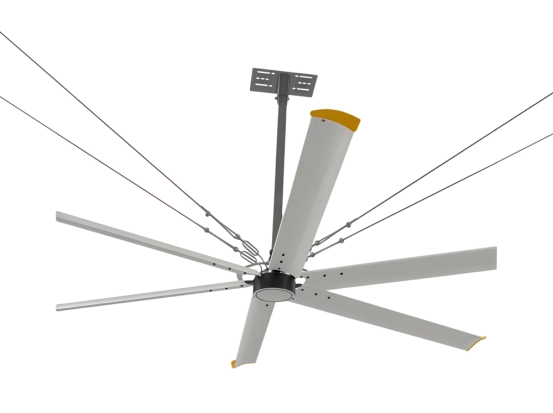
تقدم شركة داي هو للتهوية مروحة السقف HVLS يتراوح قطرها من حوالي 7 إلى 24 قدمًا، أو ما يقارب 2.1 إلى 7.3 مترًا. ويشمل هذا النطاق المساحات التجارية والمستودعات والمصانع ومراكز الخدمات اللوجستية وغيرها من المباني ذات الأسقف العالية.
تُناسب الموديلات ذات الأقطار الصغيرة المنشآت ذات الأسقف المنخفضة أو التي تتطلب مساحة تركيب محدودة. أما الموديلات الأكبر حجماً فتُناسب المساحات المفتوحة الواسعة حيث تُعدّ تغطية تدفق الهواء الواسع أولوية. ويجب أن يُراعي الاختيار العملي ارتفاع التركيب، والتصميم، وأهداف تدفق الهواء، ونظام التهوية أو التبريد المحيط.
أخطاء شائعة في تحديد حجم مراوح HVLS يجب تجنبها
يُعدّ اختيار مروحة HVLS بناءً على مساحة الأرضية فقط الخطأ الأكثر شيوعًا، ولا يقلّ عنه سوءًا اختيار أكبر مروحة متوفرة.
تُثير المشاريع الحقيقية مشاكل أخرى. قد تشمل هذه المشاكل خطوط رشاشات المياه المفقودة، ورفوف البالتات الأعلى من المخطط لها، ومسارات الرافعات التي تعبر مواقع التركيب المفضلة، أو التغييرات التي تطرأ على منطقة التعبئة والتغليف بعد الانتهاء من تخطيط تدفق الهواء.
يجب أن يتناسب حجم مروحة HVLS المناسب مع المبنى الفعلي. إذا كان التصميم لا ينجح إلا على مخطط معماري بسيط، فربما يحتاج إلى إعادة نظر.
الخلاصة: اختر حجم المروحة بناءً على مساحة منشأتك، وليس فقط على المساحة بالقدم المربع.
يجب تحديد حجم مروحة التكييف عالي السرعة ومنخفض الحجم المناسب بناءً على ظروف المنشأة الفعلية وليس على جدول تغطية عام. يُعد ارتفاع السقف ورفوف التخزين والآلات والمناطق المشغولة ونقاط تزويد نظام التكييف ومسارات العادم والمسافة الهيكلية من العوامل المهمة.
هل تحتاج إلى مساعدة في اختيار قطر مروحة HVLS المناسب لمنشأتك؟
اتصل بشركة داي هو للتهوية قم بتزويدنا بأبعاد المبنى وارتفاع السقف والتصميم للحصول على توصية مخصصة لتدفق الهواء.
أسئلة متكررة
س: ما هو حجم مروحة HVLS التي أحتاجها للمستودع؟
يعتمد ذلك على مساحة المستودع، وارتفاع السقف الصافي، وتصميم الرفوف، والممرات المشغولة، وتدفق الهواء المطلوب. غالبًا ما تناسب المراوح ذات الأقطار الكبيرة المستودعات المفتوحة الكبيرة. أما المستودعات ذات الرفوف الكثيفة أو ذات التصميمات المقسمة فقد تحتاج إلى عدة مراوح أصغر.
س: هل مروحة HVLS الأكبر حجماً أفضل دائماً؟
لا. توفر المروحة الأكبر حجماً تغطية أوسع. كما أنها تحتاج إلى ارتفاع كافٍ للتركيب ومساحة خالية حول الشفرات. قد يؤدي استخدام مروحة أكبر من اللازم إلى سوء التركيب، أو انسداد تدفق الهواء، أو تداخل غير ضروري.
س: كم عدد مراوح HVLS التي يحتاجها منشأتي؟
يعتمد عدد المراوح على القطر، وشكل المبنى، وارتفاع التركيب، والعوائق، والمناطق التي تحتاج إلى تدفق هواء. قد يحتاج مستودع طويل إلى عدة مراوح حتى لو بدت مساحة الأرضية الإجمالية مناسبة لوحدة واحدة كبيرة.
 English
  Russian
  Arabic
  Spanish
  French
  Italian