

كيفية حساب معدل تغيير الهواء في الساعة (ACH) للتهوية الصناعية
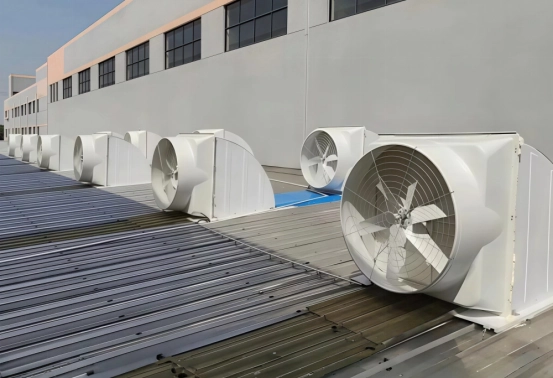
غالباً ما يكون تراكم الحرارة تحت سقف المصنع أول علامة ظاهرة على سوء التهوية. أما مشاكل تدفق الهواء فتبقى خفية في أغلب الأحيان. قد تُشغّل ورشة العمل عدة مراوح شفط في آن واحد، وقد تبقى أبخرة اللحام عالقة فوق أماكن العمل. وعادةً ما ترتفع درجة الحرارة أكثر كل مساء.
يُعدّ معدل تغيير الهواء في الساعة (ACH) نقطة انطلاق مفيدة عند فحص أنظمة التهوية الصناعية. يربط هذا المقياس حجم المبنى بتدفق الهواء الذي يحتاجه الموقع، كما يساعد في تقدير عدد وحجم المراوح التي قد يحتاجها المكان.
ما هو معدل تغيير الهواء في الساعة في التهوية الصناعية؟
يشير معدل تغيير الهواء (ACH) إلى عدد مرات تغيير حجم الهواء داخل المبنى بالكامل خلال ساعة واحدة. ويعني معدل 10 ACH أن النظام يحرك أو يسحب هواءً يعادل حجم المبنى بالكامل عشر مرات في الساعة.
تمثل هذه العملية تبادلًا فعليًا للهواء، وليس مجرد حركة هواء داخل المكان. تُحدث مروحة التهوية تدفقًا قويًا للهواء في ورشة العمل، مما قد يؤدي إلى تراكم الحرارة والرطوبة والملوثات. لذا، تتطلب التهوية الصناعية الجيدة مراوح شفط، بالإضافة إلى فتحات مناسبة لتهوية الهواء النقي، ومسارًا مستقيمًا بين الفتحات.
يساعد نظام تغيير الهواء في العديد من الحالات، ولكنه لا يغطي خطة التهوية الكاملة بمفرده.
لماذا يُعدّ نظام تغيير الهواء (ACH) مهمًا للمصانع والمباني الصناعية؟
نادراً ما تُظهر المناطق الصناعية مستويات متساوية من الحرارة أو الملوثات. فالأفران والضواغط والمحركات والعمال والأسطح المُسخّنة بأشعة الشمس تُضيف حرارةً. كما أن مراحل التصنيع قد تُطلق الغبار والرطوبة والروائح ورذاذ الزيت والأبخرة.
يساهم تبادل الهواء الكافي في إزالة هذا التراكم قبل أن يصل إلى مستويات أعلى. ويحسن هذا التبادل ظروف العمل، ويقلل من مخاطر التكثيف، ويدعم أنظمة التبريد التبخيري وأنظمة الضغط السلبي.
تُزيل الحسابات التخمين. يؤدي انخفاض تدفق الهواء إلى بقاء بقع ساخنة راكدة. بينما يؤدي ارتفاع تدفق الهواء إلى زيادة تكاليف المعدات والضوضاء واستهلاك الطاقة دون تحسين الظروف بشكل ملحوظ.
كيفية حساب عدد مرات تغيير الهواء في الساعة
تبقى العمليات الحسابية بسيطة. أما إيجاد أرقام إدخال واضحة فيتطلب جهداً أكبر.
الخطوة 1 - حساب حجم المبنى
قم بقياس الطول الداخلي والعرض ومتوسط الارتفاع الصافي للمساحة.
الحساب المتري:
حجم المبنى (م³) = الطول × العرض × الارتفاع
الحساب الإمبراطوري:
حجم المبنى (قدم مكعب) = الطول × العرض × الارتفاع
يحتوي مصنع بطول ٥٠ مترًا وعرض ٣٠ مترًا وسقف بارتفاع ٦ أمتار على مساحة ٩٠٠٠ متر مكعب. يكتفي الكثيرون بالنظر إلى مساحة الأرضية فقط، مما يؤدي إلى خطأ شائع. فالمستودع ذو السقف العالي يحتوي على حجم هواء أكبر بكثير من ورشة عمل قصيرة لها نفس مساحة الأرضية.
الخطوة 2 - تحديد إجمالي تدفق هواء التهوية
أضف تدفق الهواء الحقيقي من كل مروحة عادم أو مروحة إمداد تعمل.
عادةً ما يتم حساب وحدات القياس المترية بالمتر المكعب في الساعة، ويُشار إليها بـ m³/h أو CMH. أما وحدات القياس الإمبراطورية، فعادةً ما يتم حسابها بالقدم المكعب في الدقيقة أو CFM.
تتطلب معدلات تدفق الهواء المذكورة في الكتالوج تقييمًا دقيقًا. قد يُنتج المروحة التي تُظهر معدل تدفق هواء يبلغ 18000 متر مكعب/ساعة في ظروف الهواء الحر تدفقًا أقل للهواء عند إضافة فتحات التهوية أو القنوات أو المرشحات أو الانحناءات أو وسادات التبريد. تُولّد هذه الأجزاء ضغطًا ثابتًا. استخدم قيمة تدفق الهواء عند ضغط التشغيل الفعلي كلما توفرت هذه البيانات.
الخطوة 3 - تطبيق صيغة ACH
بالنسبة للوحدات المترية، يتم التعبير عن الصيغة على النحو التالي.
معدل تغيير الهواء = إجمالي تدفق الهواء (م³/ساعة) ÷ حجم المبنى (م³)
تتطلب الوحدات الإمبراطورية تعديلاً طفيفاً.
معدل تغيير الهواء = إجمالي تدفق الهواء (قدم مكعب في الدقيقة) × 60 ÷ حجم المبنى (قدم مكعب)
ارجع إلى المصنع الذي تبلغ مساحته 9000 متر مكعب. يتطلب تحقيق معدل تدفق هواء يبلغ 10 مرات في الساعة هذا التدفق.
9,000 × 10 = 90,000 m³/h
تشير مراوح العادم ذات السعة الحقيقية البالغة 18000 متر مكعب/ساعة لكل منها مبدئيًا إلى خمس وحدات.
90,000 ÷ 18,000 = 5 fans
قد يبدو استخدام خمس مراوح حلاً مناسباً نظرياً، إلا أن أداء التهوية الفعلي داخل المبنى قد يكون غير كافٍ. فوجود مراوح متقاربة مع فتحات تهوية صغيرة يُؤدي إلى نقص التهوية في بعض أجزاء الورشة. لذا، تظل عوامل مثل تباعد المراوح، وموقع فتحات التهوية، واتجاه الرياح، وتصميم الآلات، وارتفاع السقف، عوامل بالغة الأهمية.
كم عدد مرات تغيير الهواء التي يحتاجها المصنع في الساعة؟
لا توجد قيمة واحدة لـ ACH تناسب جميع المصانع.
قد لا يحتاج مستودع تخزين ذو إشغال محدود إلا إلى تهوية أساسية. أما ورشة تشكيل المعادن التي تضم محطات لحام وآلات ساخنة فلها متطلبات تهوية مختلفة. وغالبًا ما تتطلب عمليات تصنيع الأغذية والطلاء والعمليات الكيميائية وتصنيع البطاريات والعمليات التي تُنتج غبارًا أنظمة تهوية خاصة. وقد لا توفر التهوية العامة للغرفة وحدها تحكمًا كافيًا.
يعتمد المعدل المناسب على الحمل الحراري، والملوثات، ومستويات الرطوبة، وارتفاع المبنى، وعدد العمال، والمناخ المحلي، وساعات العمل اليومية. كما ينبغي مراعاة قواعد مكان العمل ومعايير التهوية.
تتطلب الأبخرة الخطرة أو الغبار القابل للاشتعال أكثر من مجرد معدل تغيير الهواء الأساسي. فسرعة الالتقاط، وتصميم غطاء التهوية، وسرعة مجرى الهواء، والترشيح، ونقطة التصريف، كلها أمور تحتاج إلى فحوصات هندسية خاصة بها.
تحويل حساب معدل تغيير الهواء في الساعة إلى اختيار المروحة
يساعد تدفق الهواء المطلوب في تضييق الخيارات المتاحة، ولكنه لا يحدد اختيار المروحة بدقة بمفرده.
محوري و مراوح شفط مثبتة على الحائط تُناسب هذه المراوح العديد من الوظائف التي تتطلب حجمًا كبيرًا من الهواء وضغطًا منخفضًا. تسحب مراوح السقف الهواء الساخن الذي يرتفع إلى السقف. تعمل المراوح الطاردة المركزية بشكل أفضل عندما تُولّد القنوات أو المرشحات أو الأجزاء الأخرى ضغطًا ثابتًا أعلى.
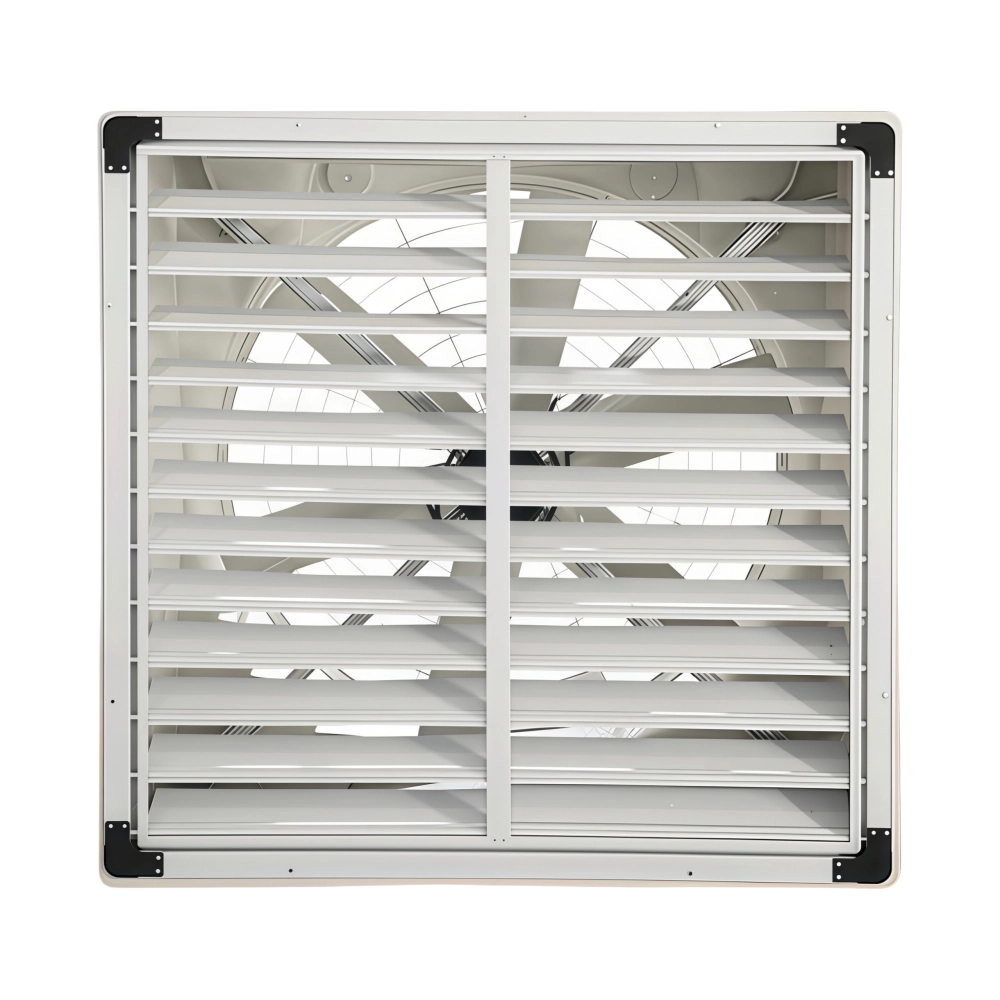
يُعد اختيار المواد عاملاً مهماً أيضاً. فالمروحة المعدنية العادية قد لا تدوم طويلاً في حظيرة الماشية الرطبة أو في منطقة معرضة للتآكل. مروحة عادم من الألياف الزجاجية المقواة بالبلاستيك غالباً ما يكون أداؤه أفضل في تلك المواقع.
تؤثر كفاءة المحرك، ونوع القيادة، ومستوى الضوضاء، وسهولة الصيانة، وساعات التشغيل، جميعها على الاختيار النهائي. كما تستخدم العديد من المصانع مراوح التهوية. مبردات التبخروسادات التبريد، أو أجهزة إزالة الرطوبة. يجب أن تشكل هذه العناصر نظام تدفق هواء متكامل بدلاً من كونها قطعًا منفصلة.
أخطاء شائعة في حسابات التحويلات الإلكترونية
تنشأ معظم المشاكل من افتراضات خاطئة بدلاً من الأخطاء الرياضية.
- تشمل الأخطاء الشائعة النقاط التالية.
- استخدام مساحة الأرضية بدلاً من الحجم الإجمالي للمبنى.
- مزج أرقام CFM مع قيم m³/h.
- حسب تقييمات المراوح الهوائية.
- مع تجاهل مقاومة القنوات والفتحات والمرشحات ووسادات التبريد.
- السماح بمساحة دخول هواء نقي قليلة للغاية.
- تحديد مواقع المراوح بحيث يسلك الهواء مسارًا قصيرًا ويتجنب مناطق العمل.
- الاعتقاد بأن ارتفاع معدل تغيير الهواء في الساعة يؤدي دائمًا إلى تبريد أفضل.
قد يؤدي نظام العادم كبير الحجم إلى سحب الهواء عبر الأبواب القريبة، مما قد يتسبب في بقاء مناطق الإنتاج البعيدة ساخنة. وغالبًا ما تكشف اختبارات الدخان أو فحوصات تدفق الهواء المباشرة عن هذه المشكلة بسرعة.
الأسئلة الشائعة
س: هل معدل تغيير الهواء في الساعة (ACH) هو نفسه معدل تدفق الهواء بالقدم المكعب (CFM)؟
لا، يقيس معدل تدفق الهواء (CFM) حجم الهواء المتدفق في الدقيقة. أما معدل تغيير الهواء (ACH) فيحدد عدد مرات استبدال هذا التدفق لحجم الهواء الكلي في مكان ما. يلزم معرفة حجم المبنى لتحويل إحدى القيمتين إلى الأخرى.
س: هل يمكن استخدام معدل تغيير الهواء في الساعة لتحديد عدد مراوح العادم؟
نعم، كتقدير أولي. يعتمد العدد النهائي للمراوح على تدفق الهواء الفعلي عند ضغط التشغيل، ومواقع المراوح، والهواء الداخل المتاح، ومصادر الحرارة، ونمط تدفق الهواء المطلوب.
س: هل يؤدي ارتفاع معدل تغيير الهواء في الساعة دائمًا إلى تحسين تبريد المصنع؟
لا. يمكن أن يساعد تبادل الهواء الإضافي في إزالة الحرارة. قد يؤدي سوء توزيع الهواء إلى بقاء بعض المناطق راكدة. عندما يكون الهواء الخارجي ساخنًا بالفعل، قد لا تكون التهوية وحدها كافية. قد يكون من الضروري استخدام التبريد التبخيري أو التبريد الموضعي أو طرق أخرى.
استنتاج
يوفر معدل تغيير الهواء (ACH) أساسًا مفيدًا لحسابات التهوية الصناعية. ومع ذلك، لا تزال النتائج الواضحة تعتمد على قياسات المبنى الدقيقة، وأداء المروحة الفعلي، ومداخل الهواء المتوازنة، وفهم جيد لمصادر الحرارة أو الملوثات.
DAIHO التهوية نقدم مراوح صناعية ومعدات تبريد متكاملة للمصانع والمستودعات وورش العمل والمباني الزراعية. يرجى إرسال أبعاد المنشأة وظروف التشغيل ودرجة الحرارة المستهدفة ومعلومات التهوية الحالية. سنقدم لكم توصية تناسب مشروعكم تحديداً.
 English
  Russian
  Arabic
  Spanish
  French
  Italian