

كم تبلغ تكلفة نظام التهوية الصناعية؟
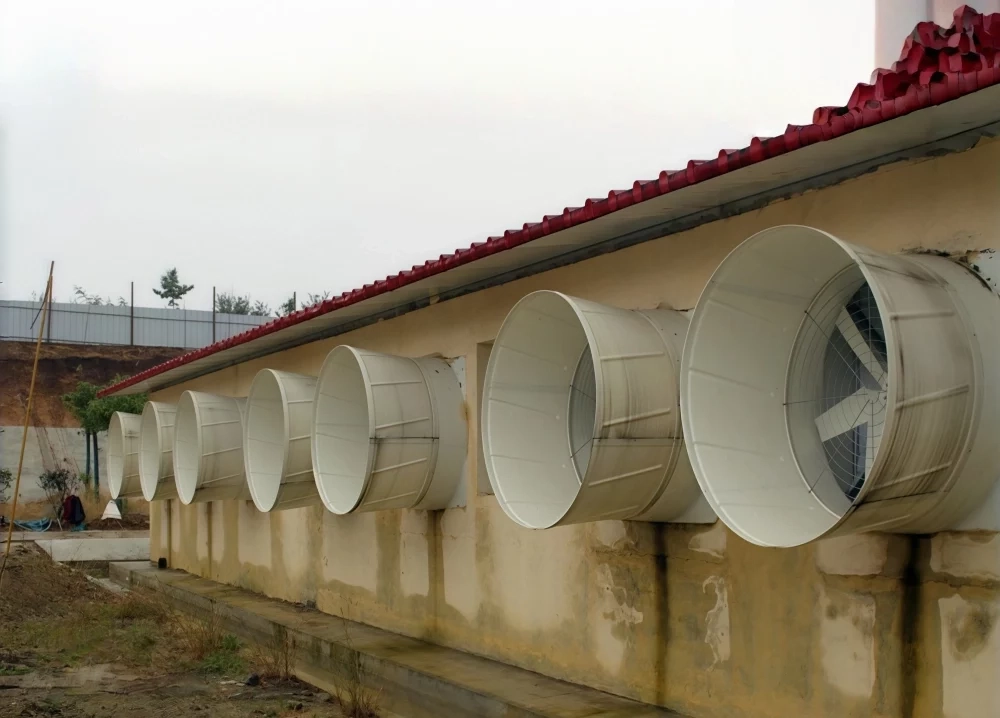
تختلف تكلفة أنظمة التهوية الصناعية اختلافًا كبيرًا تبعًا لاحتياجات المنشأة. فلكل مصنع متطلباته الخاصة فيما يتعلق بتدفق الهواء والتبريد وظروف الموقع. قد يكفي عدد قليل من مراوح الشفط لتشغيل ورشة صغيرة بكفاءة. في المقابل، غالبًا ما تتطلب منشأة تصنيع كبيرة مراوح شفط، ومراوح عالية السرعة ومنخفضة السرعة، ومعدات تبريد تبخيري، وقنوات تهوية، وأنظمة تحكم، وأنظمة إدارة الرطوبة.
يتألف إجمالي الاستثمار عادةً من ثلاثة أجزاء رئيسية، تشمل المعدات والتركيب وتكاليف التشغيل طويلة الأجل. يدرس أصحاب المصانع والمهندسون وفرق المشتريات هذه الأجزاء، ويضعون ميزانية عملية بناءً عليها، متجنبين بذلك اتخاذ قرارات مبنية على السعر الأولي فقط.
ما الذي يحدد تكلفة نظام التهوية الصناعية؟
تعتمد التكلفة الإجمالية على حجم المبنى، وتدفق الهواء المطلوب، والحمل الحراري، ونوع المعدات، ومدى صعوبة التركيب. يوفر النظام المُخطط له جيدًا تبادلًا كافيًا للهواء، ويتجنب الحاجة إلى معدات إضافية وهدر الطاقة.
حجم المصنع أو المستودع
يُعد حجم المبنى أحد أهم العوامل في تكلفة نظام تهوية المصنع.
تحتوي المساحات الأكبر على حجم هواء أكبر، مما يتطلب قدرة تهوية أعلى لضمان تبادل الهواء بشكل سليم. ويلعب ارتفاع السقف دورًا واضحًا في متطلبات التهوية. فمستودع مساحته 5000 متر مربع ذو أسقف عالية يحتاج إلى تصميم معين، بينما ورشة عمل ذات سقف منخفض بنفس مساحة الأرضية تحتاج إلى تصميم آخر.
تشمل العوامل الرئيسية ما يلي:
- مساحة الأرضية
- ارتفاع السقف
- إجمالي حجم الهواء
- تخطيط الإنتاج
- معدات توليد الحرارة
- عدد العمال
عادةً ما تحتاج المواقع الأكبر حجماً إلى المزيد من المراوح. وقد تتطلب تدفق هواء أعلى أو عدة مناطق منفصلة للتهوية والتبريد.
تدفق الهواء المطلوب
يتم قياس تدفق الهواء بوحدة قدم مكعب في الدقيقة أو متر مكعب في الساعة، وهو ما يحدد اختيار المروحة بشكل مباشر.
غالباً ما تتطلب المصانع التي تواجه أحمالاً حرارية عالية، أو أبخرة، أو رطوبة، أو معدلات تهوية متكررة، تدفق هواء أقوى. وقد يصبح من الضروري استخدام مراوح أكبر، أو وحدات إضافية، أو أساليب تهوية جديدة. وتُعدّ أرقام تدفق الهواء الدقيقة مهمة للغاية. فالنظام ذو الحجم غير الكافي لا يستطيع التحكم بالحرارة بفعالية، بينما يزيد النظام ذو الحجم الزائد من تكاليف المعدات والطاقة دون تقديم أي فوائد إضافية.
تكاليف معدات التهوية الصناعية
تشكل المعدات نسبة كبيرة من إجمالي سعر نظام التهوية الصناعية. وتختلف التكاليف باختلاف نوع المروحة، وسعة تدفق الهواء، وكفاءة المحرك، والمواد المستخدمة، واحتياجات التبريد.
مروحة العادم الصناعية
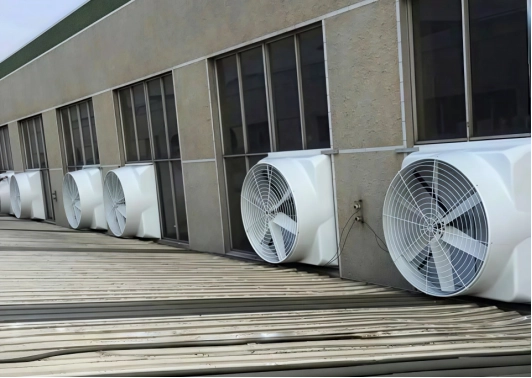
مراوح العادم الصناعية سحب الحرارة والرطوبة والأبخرة والهواء الملوث المتراكم من المصانع والمستودعات.
تشمل الخيارات الشائعة مراوح الشفط الجدارية، ومراوح الشفط السقفية، والمراوح المحورية، والمراوح الطاردة المركزية. وتعتمد الأسعار على سعة تدفق الهواء، والضغط الساكن، ونوع المحرك، ومقاومة التآكل، ومواد التصنيع.
عادةً ما يكون نظام سحب الهواء البسيط من الجدران أقل تكلفة. أما نظام التهوية عالي الضغط فيحتاج إلى مراوح طرد مركزي وشبكة قنوات واسعة، مما يؤدي إلى ارتفاع تكاليف التركيب. توفر شركة داي هو للتهوية حلولاً للمراوح الصناعية مصممة خصيصاً لتناسب مختلف تصميمات المصانع ومتطلبات تدفق الهواء.
مراوح HVLS
مروحة HVLS تُستخدم عادةً في المصانع الكبيرة والمستودعات ومرافق الخدمات اللوجستية ذات الأسقف العالية.
يتجنبون دفع الهواء إلى الخارج، وبدلاً من ذلك، يقومون بتحريك كميات كبيرة من الهواء بسرعة منخفضة. هذا الإجراء يحسن الدوران ويقلل من المناطق الساخنة الراكدة.
تؤدي إضافة مراوح HVLS إلى زيادة تكلفة المعدات الأولية. مع ذلك، يمكنها تحسين راحة العاملين وكفاءة تدفق الهواء الإجمالية. وتزداد هذه الفوائد وضوحًا عند تشغيل مراوح HVLS بالتزامن مع معدات التهوية أو التبريد.
معدات التبريد التبخيري
عادةً ما يكون النظام الذي يُزيل الهواء الساخن فقط أقل تكلفة. أما النظام المصمم لخفض درجة الحرارة الداخلية عمداً فيكون أكثر تكلفة.
قد تلجأ المصانع في المناطق ذات المناخ الحار إلى مبردات الهواء التبخريتُستخدم وسادات التبريد أو أنظمة التبريد ذات الضغط السلبي. تعمل هذه الأنظمة على إدخال هواء نقي بارد إلى المبنى. وتعتمد التكاليف على سعة التبريد، وطريقة التركيب، ومتطلبات المياه، وشبكة مجاري الهواء، وعدد الوحدات المطلوبة.
في المناخات الملائمة، يستخدم التبريد التبخيري طاقة أقل بكثير من تكييف الهواء الصناعي التقليدي.
كم تبلغ تكلفة تركيب أنظمة التهوية الصناعية؟
لا يغطي سعر المعدات سوى جزء من التكلفة الإجمالية لتركيب نظام التهوية الصناعية. عادةً ما يكون نظام مروحة العادم الأساسي أبسط وأقل تكلفة في التركيب. أما النظام المتكامل الذي يستخدم قنوات، وتبريدًا تبخيريًا، ومراوح عالية السرعة ومنخفضة السرعة، وأنظمة تحكم آلية، فيتطلب استثمارًا أكبر وفترة تركيب أطول.
قد تكون تكلفة مشاريع التحديث أعلى. ويمكن أن تحد معدات الإنتاج الحالية أو الأنظمة الكهربائية أو هياكل المباني من خيارات التركيب.
تكاليف التشغيل: ما مقدار الكهرباء التي تستهلكها أنظمة التهوية الصناعية؟
تعتمد تكلفة التشغيل بشكل رئيسي على قوة المحرك، وكمية المعدات، وساعات التشغيل، والمضخات، ومعدات التبريد، وأنظمة التحكم.
إن المصنع الذي يشغل معدات التهوية على مدار 24 ساعة في اليوم سيستهلك كهرباء أكثر من المصنع الذي يعمل بنظام وردية إنتاج واحدة فقط.
ينبغي على المشترين مراعاة التكلفة الإجمالية للملكية، والنظر إلى ما هو أبعد من سعر المعدات فقط.
قد يؤدي استخدام مروحة رخيصة ذات كفاءة منخفضة إلى ارتفاع التكاليف على مدى عدة سنوات. بينما يمكن للمروحة ذات الحجم المناسب والموفرة للطاقة أن تقلل من نفقات التشغيل على المدى الطويل. تساهم المحركات عالية الكفاءة، والوضع الذكي للمروحة، وتقسيم المناطق، وأنظمة التحكم الذكية في خفض استهلاك الكهرباء على المدى الطويل.
مثال: ما الذي يتضمنه نظام تهوية المصنع؟
لنفترض وجود منشأة تصنيع مساحتها 5000 متر مربع. تتميز هذه المنشأة بأسقف عالية، وحرارة إنتاج قوية، وظروف صيفية حارة.
قد يشمل نظام التهوية والتبريد الكامل ما يلي:
- مراوح شفط مثبتة على الحائط
- فتحات تهوية الهواء النقي
- مروحة HVLS
- مبردات الهواء التبخيرية
- وسائد التبريد
- التحكم الكهربائي
مع ذلك، قد يتطلب مصنع آخر بنفس مساحة الأرضية حلاً مختلفاً تماماً. تؤثر عوامل مثل الرطوبة المحلية، ومصادر الحرارة، وعمليات الإنتاج، وتصميم المبنى، والظروف الداخلية المستهدفة، جميعها على اختيار النظام.
قد يحتاج أحد المنشآت إلى تهوية عالية التدفق فقط. بينما قد تجمع منشأة أخرى بين التبريد التبخيري ومراوح العادم.
ينبغي تحديد تكاليف أنظمة التهوية الصناعية بناءً على المتطلبات الهندسية الفعلية. ولا يمكن لسعر ثابت للمتر المربع أن يمثل بدقة جميع المشاريع.
كيفية خفض تكاليف أنظمة التهوية الصناعية
إن الطريقة الأكثر فعالية للتحكم في التكاليف تبدأ بتصميم النظام المناسب.
تساهم حسابات تدفق الهواء الدقيقة في تجنب زيادة سعة المروحة. كما أن وضع المروحة ومدخل الهواء بشكل مناسب يُحسّن تدفق الهواء، مما يقلل الحاجة إلى معدات غير ضرورية. وتساهم المحركات الموفرة للطاقة وأنظمة التحكم المناسبة في خفض تكاليف التشغيل على المدى الطويل.
يمكن للمصانع دمج التقنيات بحذر. تعمل مراوح الشفط على إزالة الحرارة المتراكمة، بينما تعزز مراوح التهوية عالية السرعة ومنخفضة السرعة حركة الهواء الداخلية. وفي المناخات المناسبة، يوفر التبريد التبخيري خفضًا إضافيًا في درجة الحرارة، وذلك باستهلاك طاقة أقل من تكييف الهواء التقليدي.
يساهم النظام المدمج المصمم جيداً في خفض كل من الاستثمار الأولي وتكاليف التشغيل طويلة الأجل طوال عمر النظام.
احصل على تقدير دقيق لتكلفة نظام التهوية الصناعية
تختلف كل منشأة صناعية عن الأخرى. يتطلب الحصول على عرض أسعار دقيق تفاصيل مرتبطة مباشرة بالمشروع.
قبل طلب تقدير التكلفة، جهّز المعلومات الأساسية اللازمة للتقييم. تشمل هذه المعلومات أبعاد المصنع وارتفاع السقف، وموقع المنشأة ومناخها، ودرجات الحرارة الداخلية والخارجية، ومصادر الحرارة الرئيسية، وعدد العمال، ومعدات الإنتاج، ودرجة الحرارة المطلوبة، ومتطلبات الرطوبة، ومعدات التهوية الموجودة.
تُقدّم شركة داي هو للتهوية حلولاً صناعية للتهوية والتبريد الموفر للطاقة للمصانع والمستودعات وورش العمل وغيرها من المباني الصناعية الكبيرة. وتشمل هذه الحلول دمج مراوح العادم الصناعية، ومراوح التهوية عالية ومنخفضة السرعة، ومعدات التبريد التبخيري، وأنظمة إزالة الرطوبة، وأنظمة معالجة الهواء، وذلك وفقاً لظروف التشغيل الفعلية.
اتصل بشركة داي هو للتهوية مع مراعاة أبعاد منشأتك ومتطلباتك البيئية، سيتلقى فريقنا توصية بنظام تهوية مخصص وتقديرًا للتكلفة.
أسئلة متكررة
س: كم تبلغ تكلفة نظام التهوية الصناعية؟
لا يوجد سعر موحد. تعتمد التكاليف على حجم المصنع، ومعدل تدفق الهواء المطلوب، ونوع المعدات، وظروف التركيب، ومتطلبات التبريد. عادةً ما يكون نظام مروحة العادم البسيط أقل تكلفة بكثير من نظام تهوية وتبريد متكامل.
س: ما هو الجزء الأكثر تكلفة في نظام التهوية الصناعية؟
في العديد من المشاريع، تشكل معدات التهوية والتبريد نسبة كبيرة من الإنفاق. ومع ذلك، فإن أعمال مجاري الهواء، والتركيبات الكهربائية، والتعديلات الهيكلية، وأنظمة التحكم، قد تزيد من التكلفة الإجمالية للمشروع.
س: كيف يمكنني تقليل تكاليف تشغيل نظام التهوية في المصنع؟
اختر مراوح بالحجم المناسب. انتقِ محركات موفرة للطاقة. رتّب مسارات تدفق الهواء بكفاءة عالية. أضف نظام تقسيم المناطق وأنظمة تحكم ذكية. يمكن لدمج تهوية العادم مع مراوح HVLS أو التبريد التبخيري أن يقلل من استهلاك الطاقة في الإعدادات المناسبة.
س: ما هي المعلومات المطلوبة للحصول على عرض أسعار لأنظمة التهوية الصناعية؟
يحتاج الموردون عادةً إلى أبعاد المبنى، وارتفاع السقف، والموقع، ومصادر الحرارة، وعدد العمال، وظروف الإنتاج، ودرجة الحرارة أو الرطوبة المطلوبة، وتفاصيل أي معدات تهوية موجودة.
 English
  Russian
  Arabic
  Spanish
  French
  Italian