

Come il raffreddamento evaporativo contribuisce a ridurre i costi di raffreddamento degli impianti industriali.
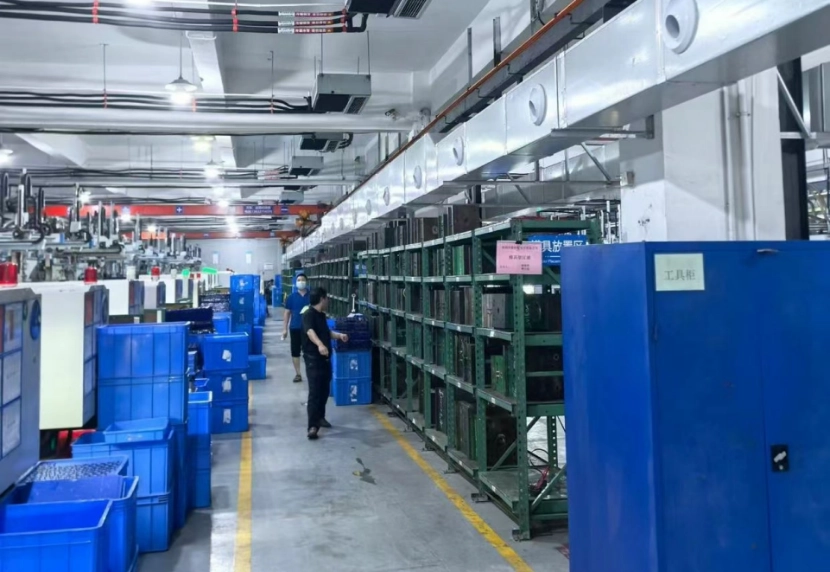
Il raffreddamento di grandi complessi industriali rappresenta oggi una sfida significativa per i responsabili degli impianti. Essi si trovano ad affrontare costi energetici in aumento e normative ambientali sempre più stringenti. Di conseguenza, molti stabilimenti stanno optando per il raffreddamento evaporativo come alternativa intelligente ai tradizionali sistemi di condizionamento dell'aria. Questo metodo ecologico riduce significativamente il consumo energetico, migliorando al contempo la qualità dell'aria interna e il comfort dei lavoratori. Questi fattori sono fondamentali per mantenere alta la produttività e contenere i costi.
Cos'è il raffreddamento evaporativo e come funziona?
Raffreddamento evaporativo Il sistema sfrutta una legge fondamentale della natura. Quando l'acqua evapora, assorbe calore dall'aria circostante. Questa azione raffredda l'aria in modo naturale. La macchina aspira aria calda esterna attraverso dei pannelli di raffreddamento umidi. Man mano che l'aria passa attraverso questi pannelli, le gocce d'acqua assorbono il calore. Ventilatori o condotti distribuiscono quindi l'aria raffreddata nell'ambiente di lavoro.
Questo sistema non necessita di un compressore pesante o di refrigeranti chimici tossici. Utilizza solo acqua e aria in movimento, risultando così ecocompatibile. Poiché si basa su leggi naturali anziché sulla forza meccanica, può ridurre il consumo energetico fino al 75% rispetto ai condizionatori d'aria standard. Per gli impianti che funzionano giorno e notte, questi risparmi si traducono in bollette energetiche mensili notevolmente inferiori.
Confronto tra raffreddamento evaporativo e sistemi di condizionamento dell'aria convenzionali
Prima di scegliere un nuovo sistema di raffreddamento, è opportuno valutare le differenze tra questi sistemi e le tradizionali unità a compressore.
Vantaggi in termini di efficienza energetica
I proprietari delle fabbriche scelgono il raffreddamento evaporativo principalmente per la sua efficienza. I condizionatori d'aria standard consumano molta energia per comprimere il gas refrigerante. Al contrario, queste unità funzionano principalmente con una ventola e una piccola pompa dell'acqua. Entrambi questi componenti consumano pochissima elettricità.
| Tipo di sistema | Fonte di energia | Consumo energetico tipico | Mezzo di raffreddamento |
| Condizionatore d'aria convenzionale | azionato dal compressore | Elevato (3–5 kW/ton) | Gas refrigerante |
| Raffreddamento evaporativo | Ventilatore + Pompa | Basso (0,5–1 kW/tonnellata) | Evaporazione dell'acqua |
Il design intelligente spesso prevede un serbatoio dell'acqua integrato. Ciò consente all'unità di funzionare senza intoppi, senza la necessità di ingombranti tubature esterne. Poiché un minor numero di componenti elettrici è in funzione contemporaneamente, gli impianti possono ottenere un raffreddamento stabile a costi operativi significativamente inferiori. A lungo termine, questo contribuisce al raggiungimento di obiettivi ecologici come la riduzione delle emissioni di carbonio e il rispetto dei target ESG.
Considerazioni relative alla manutenzione e al funzionamento
Refrigeratori evaporativi Sono più facili da manutenere rispetto ai sistemi di climatizzazione convenzionali. Hanno meno parti mobili, come ventole, pompe e pannelli, il che riduce l'usura nel tempo. La manutenzione di solito consiste in una rapida pulizia dei pannelli e nel controllo dell'acqua nel serbatoio.
Per i responsabili stanchi dei complessi programmi di manutenzione degli impianti HVAC, questa semplicità rappresenta un enorme vantaggio. Significa meno tempi di inattività per la fabbrica e pezzi di ricambio più economici. Se curati adeguatamente, questi sistemi possono funzionare a lungo senza bisogno di una revisione completa.
Principali vantaggi derivanti dall'adozione del raffreddamento evaporativo negli impianti di produzione
Il passaggio a questa tecnologia non si limita a ridurre le bollette, ma migliora le prestazioni dell'intera struttura sotto diversi aspetti.
Riduzione dei costi attraverso il risparmio energetico.
Ogni unità di energia elettrica risparmiata contribuisce direttamente al profitto. Eliminando la pesante fase di compressione, questi refrigeratori riducono drasticamente il consumo energetico. In molti casi, i costi dell'elettricità possono essere ridotti fino al 50%, e questi risparmi si riflettono chiaramente sulle spese operative mensili.
Inoltre, il raffreddamento costante impedisce alle macchine di surriscaldarsi, evitando interruzioni impreviste della produzione. Questo è particolarmente importante per l'elettronica o lo stampaggio di materie plastiche, dove il calore danneggia il prodotto. Non essendoci refrigerante, si risparmia anche sui rifornimenti di gas e sui controlli delle perdite.
Miglioramento dell'ambiente di lavoro e della produttività.
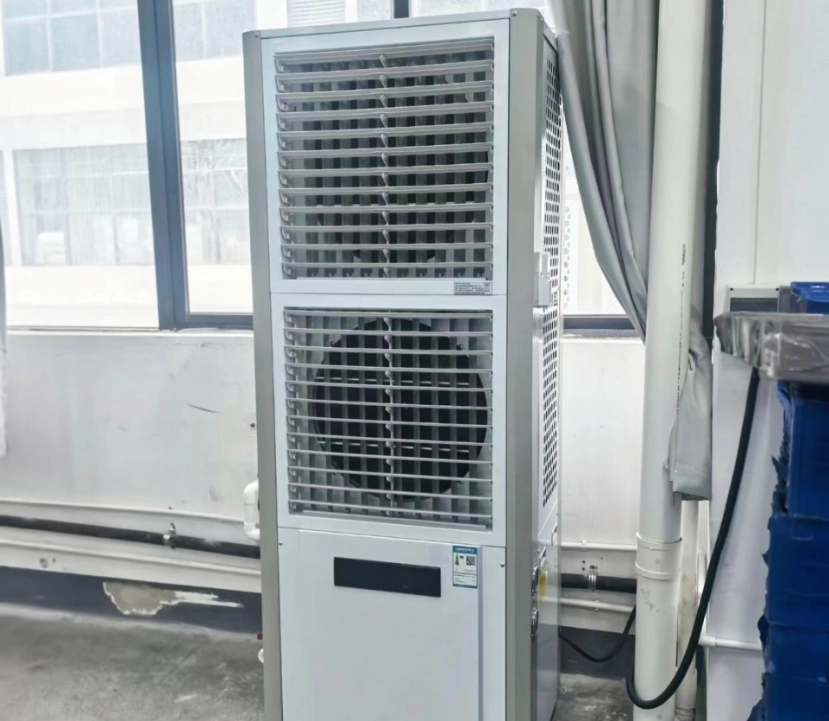
I dipendenti lavorano meglio in un ambiente confortevole. Il raffreddamento evaporativo immette un flusso costante di aria fresca, anziché limitarsi a far circolare la stessa aria polverosa come un normale condizionatore. Questo contribuisce a eliminare odori e polvere, mantenendo al contempo il giusto livello di umidità per prevenire le scariche elettrostatiche, un aspetto fondamentale per gli stabilimenti tecnologici.
Una buona circolazione dell'aria assicura che ogni angolo di un grande capannone rimanga fresco. Quando le temperature si mantengono entro un intervallo di sicurezza, sia i lavoratori che i macchinari operano in modo più efficiente. Ciò si traduce in un minor numero di guasti e in una migliore qualità di articoli come alimenti o indumenti.
DAIHO Ventilation: soluzione di climatizzazione a risparmio energeticoS
Per ottenere prestazioni ottimali, è essenziale disporre di apparecchiature di alta qualità progettate per ambienti industriali. DAIHO Ventilation realizza sistemi di raffreddamento di fascia alta per luoghi di lavoro ad alta intensità di lavoro, dove robustezza e prestazioni sono requisiti fondamentali.
Tecnologia avanzata del pad di raffreddamento
DAIHO Ventilazione condizionatore d'aria a risparmio energetico Utilizza speciali cuscinetti di raffreddamento ad alta efficienza progettati per massimizzare il contatto aria-acqua. I materiali sono studiati per resistere alla ruggine e alla muffa. Funzionano bene anche in ambienti polverosi o climi molto caldi. Ciò garantisce che il raffreddamento rimanga efficace anche dopo mesi di utilizzo intensivo.
Progettazione integrata del serbatoio dell'acqua
Ogni condizionatore d'aria è dotato di un robusto serbatoio d'acqua integrato. Questo garantisce un'erogazione costante di acqua durante il funzionamento dell'unità. I controlli intelligenti gestiscono il flusso d'acqua per evitare sprechi. Ciò assicura che i pannelli rimangano sufficientemente umidi per mantenere una temperatura stabile su un'ampia area. Poiché il serbatoio è interno, l'installazione è molto più rapida e semplice.
Soluzioni su misura per diverse applicazioni industriali
Ogni struttura ha esigenze diverse. Ecco perché ventilazione DAIHO Offre configurazioni modulari. Queste sono adatte sia a piccoli negozi che a enormi capannoni che si estendono per migliaia di metri quadrati. I sistemi possono essere dimensionati in base alle esigenze di flusso d'aria e possono essere utilizzati per raffreddare zone specifiche senza compromettere l'efficienza o l'affidabilità.
Ottimizzazione dell'efficienza energetica degli impianti industriali con il supporto professionale di DAIHO Ventilation.
Una corretta implementazione dipende sia dalle attrezzature adeguate che da una progettazione del sistema appropriata. Gli esperti di DAIHO Ventilation effettuano un sopralluogo prima di proporre un sistema. Analizzano la forma dell'edificio, la posizione delle macchine e le condizioni meteorologiche locali.
Questo studio li aiuta a scegliere la dimensione giusta per le vostre unità. In questo modo, otterrete il massimo raffreddamento con il minimo consumo energetico. Una buona pianificazione elimina le incertezze e vi permette di vedere subito un ritorno sull'investimento.
Conclusione
I vantaggi economici aumentano di anno in anno. Il minore consumo energetico riduce i costi operativi a lungo termine, mentre la semplicità del sistema garantisce una maggiore durata delle apparecchiature. Questi risparmi consentono di ammortizzare il costo del sistema molto più rapidamente rispetto a un impianto di climatizzazione tradizionale.
Dal punto di vista ambientale, questa tecnologia è un successo. Aiuta le fabbriche a raggiungere i loro obiettivi di sostenibilità. Elimina la necessità di gas nocivi e utilizza l'acqua in modo molto responsabile.
Domande frequenti
D1: Quanta energia possono risparmiare le fabbriche utilizzando il raffreddamento evaporativo?
La maggior parte degli utenti risparmia tra il 50% e il 75% rispetto all'aria condizionata. La percentuale esatta dipende dalle condizioni meteorologiche locali e dalla configurazione del sistema.
D2: Il raffreddamento evaporativo è efficace nelle regioni umide?
La sua efficacia diminuisce in presenza di aria molto umida. Tuttavia, se la ventilazione è buona, rende comunque l'ambiente di lavoro molto più confortevole.
D3: Che tipo di manutenzione richiedono questi sistemi?
Principalmente devi pulire i cuscinetti e il serbatoio dell'acqua. Dovresti anche controllare la pompa di tanto in tanto. È molto semplice perché ha poche parti complesse.
D4: I raffrescatori evaporativi possono sostituire completamente gli impianti di climatizzazione esistenti?
Nelle zone aride, possono essere l'unico sistema di cui si ha bisogno. In altri luoghi, funzionano benissimo in combinazione con l'aria condizionata per contribuire a ridurre il carico complessivo.
D5: Oltre al risparmio energetico, ci sono altri vantaggi ambientali?
Sì. Queste unità non utilizzano alcun refrigerante. Ciò impedisce il rilascio di gas nocivi che causano il riscaldamento globale.
 English
  Russian
  Arabic
  Spanish
  French
  Italian