

Come ridurre i costi di raffreddamento dell'officina senza aria condizionata centralizzata
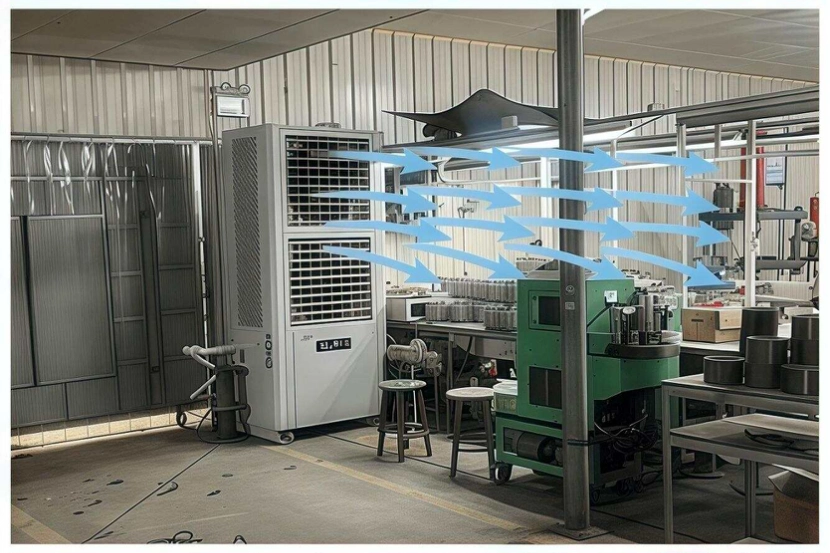
Mantenere fresca un'officina senza un impianto di climatizzazione centralizzato è una delle sfide più comuni per fabbriche e impianti. I macchinari emettono calore, l'aria circola a malapena e gli ampi spazi aperti peggiorano ulteriormente la situazione. Queste condizioni aumentano il consumo energetico e riducono il comfort sul posto di lavoro. Il modo migliore per ridurre i costi di raffreddamento è combinare sistemi di flusso d'aria intelligenti con sistemi di raffreddamento specifici, come condizionatori d'aria ad alta potenza e refrigeratori ad acqua. Questi dispositivi si adattano alle mutevoli esigenze di raffreddamento dell'ambiente.
La natura dell'accumulo di calore nelle officine industriali
Nelle fabbriche, macchinari, impianti di illuminazione e persone generano una notevole quantità di calore interno. Una cattiva circolazione dell'aria lo intrappola. Il sole che batte su tetti e pareti aggiunge ulteriore calore. Quando l'aria ristagna, i semplici ventilatori si limitano a spostare l'aria calda. Di conseguenza, l'accumulo di calore continua all'interno dell'officina.
L'ambiente umido e afoso non solo non è confortevole, ma è anche dannoso. Riduce la produttività, compromettendo il surriscaldamento e la rottura di componenti delicati. Il personale si stanca più rapidamente, con conseguente diminuzione dell'efficienza operativa e aumento dei rischi per la sicurezza sul lavoro. L'aria fresca proveniente dall'esterno raramente riesce a contrastare il calore costante che si accumula nelle grandi officine industriali, dove il calore continua a penetrare per tutto il giorno.
Perché la tradizionale climatizzazione centralizzata non è sempre fattibile
Installare un sistema di climatizzazione centralizzato completo in una fabbrica comporta costi iniziali elevati e continua a prosciugare il portafoglio. Gli ampi spazi aperti mettono a dura prova questi sistemi, che devono mantenere temperature uniformi. Inoltre, sono costantemente esposti al calore generato da forni o pompe. Di conseguenza, il consumo energetico complessivo può diventare estremamente elevato.
Anche la manutenzione e la riparazione degli impianti possono rappresentare una sfida importante. Se il sistema principale si guasta, l'intera linea di produzione potrebbe fermarsi. Le riparazioni potrebbero richiedere tempo e, in caso di scadenze ravvicinate, ciò si tradurrebbe in un notevole impatto finanziario. Di conseguenza, molti gestori di impianti optano per soluzioni di raffreddamento localizzate più flessibili, che si rivelano più semplici da gestire e riparare.
Valutazione dell'energia-Risparmio Soluzioni di raffreddamento
Non è necessario rinunciare alla praticità per ridurre le bollette del condizionamento. Un sistema intelligente che raffredda solo i punti giusti è la soluzione ideale.
Industriale Eenergia-Svivere Condizionatore d'aria
I prodotti di ventilazione DAIHO sono progettati per ambienti spaziosi e offrono potenti capacità di raffreddamento. Le prestazioni del prodotto si traducono in un comfort di raffreddamento quotidiano. Queste macchine combinano un'efficienza di prim'ordine con una semplicità d'uso. Sono ideali per negozi che necessitano di installazioni rapide o modifiche di layout.
La ventilazione DAIHO risparmio energetico aria condizionata Unisce elevata efficienza, risparmio energetico, facilità d'uso e comandi essenziali. È ideale per fabbriche e aziende dove l'adattabilità e la flessibilità operativa sono di fondamentale importanza.
| Modello | Potenza di raffreddamento | Volume dell'aria | Potenza nominale | Temperatura applicabile |
| DH-A-10P | 6,3 kW | 10000 m³/h | 4.5KW | 5℃/43℃ |
| DH-A-21PD | 7,5 kW | 10000 m³/h | 5.0KW | 5℃/43℃ |
| DH-A-21PYQ | 8,2 kW | 10000 m³/h | 6.5KW | 5℃/43℃ |
Queste specifiche evidenziano come i condizionatori d'aria a risparmio energetico generino un flusso d'aria potente, pur consumando molta meno energia rispetto ai grandi impianti di climatizzazione.
Il ruolo dei condizionatori d'aria industriali nella gestione energetica
I condizionatori d'aria per impieghi gravosi si integrano con gli impianti di ventilazione esistenti, migliorando la gestione complessiva del flusso d'aria. Dirigendo i getti d'aria fredda verso i punti più caldi, come ad esempio in prossimità di macchinari di grandi dimensioni, riducono il carico sugli altri refrigeratori, contribuendo così a diminuire i picchi di consumo energetico.
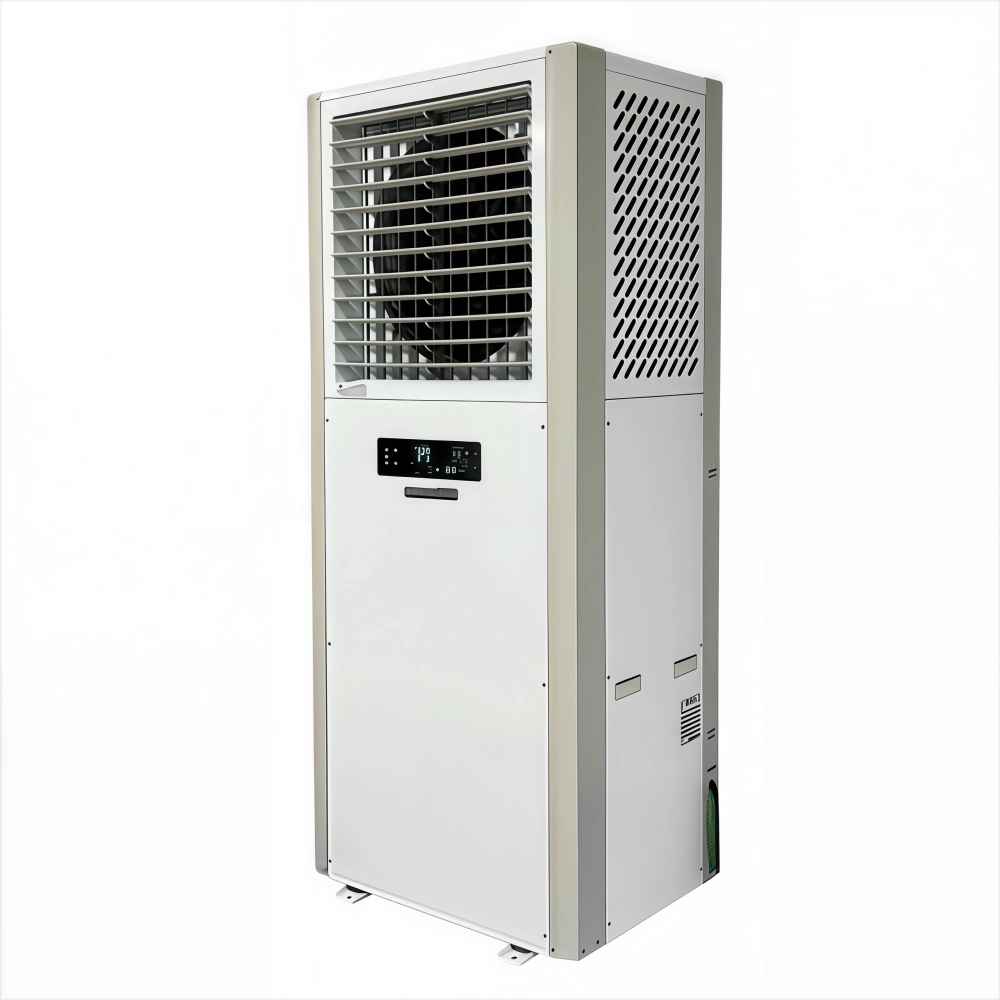
DAIHO Ventilazione uscita aria tubo condizionatore d'aria industriale Grazie al pannello di raffreddamento interno, gestisce efficacemente il raffreddamento in ambienti industriali di grandi dimensioni. Il design a nido d'ape del pannello favorisce un funzionamento efficiente dal punto di vista energetico. Garantisce un flusso d'aria potente. È ideale per fabbriche o magazzini esposti a temperature esterne intense.
Miglioramento del flusso d'aria e dell'efficienza della ventilazione
Senza una buona circolazione dell'aria, le prestazioni di un'azienda di alto livello risultano deludenti. Una corretta gestione della ventilazione è fondamentale per mantenere una temperatura costante nell'ambiente.
Posizionamento strategico delle apparecchiature di ventilazione
L'aria calda tende naturalmente a salire. Pertanto, i ventilatori di scarico dovrebbero essere installati in posizioni elevate, vicino ai tetti o alle aperture di ventilazione. In questo modo, riescono a rimuovere efficacemente il calore accumulato. Le prese d'aria fresca posizionate in basso consentono all'aria esterna di entrare, sostituendo quella calda.
Questo schema di flusso d'aria alternato impedisce la formazione di zone morte. Le temperature non subiranno sbalzi improvvisi in quei punti. Per la progettazione del flusso d'aria, un flusso costante è preferibile alla velocità pura. La circolazione costante in tutte le aree di lavoro evita un raffreddamento disomogeneo, con conseguente risparmio energetico.
Utilizzo di ventilatori industriali ad alta efficienza a supporto dei sistemi di raffreddamento
I ventilatori industriali variano a seconda del tipo. I ventilatori assiali spostano grandi volumi d'aria in modo efficiente. I ventilatori centrifughi creano la pressione necessaria per le tubazioni. Ventilatori HVLS Genera flussi d'aria morbidi e avvolgenti, perfetti per ambienti aperti. La regolazione della velocità consente di adattare la potenza erogata ai livelli di calore del momento, contribuendo a ridurre il consumo energetico durante i periodi di bassa produttività. È possibile collegarli a sensori per regolazioni automatiche, senza bisogno di interventi manuali ogni volta.
Implementazione di pratiche di raffreddamento intelligenti per la riduzione dei costi
Le strategie di raffreddamento efficaci vanno oltre la semplice attrezzatura. Le routine quotidiane e le misure preventive riducono lo stress eccessivo sul sistema.
Misure di isolamento e controllo del calore
Isolare tetti e pareti aiuta a bloccare il calore esterno durante i pomeriggi caldi. Le vernici riflettenti su tetti o finestre in vetro contribuiscono a ridurre la penetrazione del calore solare. Sigillare le fessure vicino a porte o tubi aiuta a mantenere l'aria fresca all'interno dell'ambiente di lavoro. Questi accorgimenti apportano benefici duraturi al sistema.
Strategie di pianificazione e zonizzazione per prestazioni ottimali
Le officine operano in condizioni variabili durante la giornata. Imposta dei timer automatici per l'utilizzo o per le letture della temperatura. Questo aiuta a garantire che il consumo energetico rimanga sotto controllo durante il funzionamento. Suddividi le aree in zone per un raffreddamento mirato. Le macchine in funzione ricevono un flusso d'aria costante. I magazzini silenziosi ne sono esclusi. Controlla regolarmente i filtri per mantenerli puliti e liberi da ostruzioni. Questo è importante per il corretto funzionamento continuo degli impianti elettrici o idraulici.
Sfruttare le soluzioni di ventilazione DAIHO per ottimizzare il raffreddamento delle officine.
Per soluzioni di raffreddamento integrate progettate per ambienti industriali, ventilazione DAIHOLa sua gamma di prodotti si distingue.
Sistemi di raffreddamento integrati su misura per ambienti industriali
Il nostro condizionatore industriale con uscita dell'aria a tubo e pannello di raffreddamento interno affronta le problematiche di raffreddamento più complesse nelle grandi aree degli stabilimenti. Una ventola assiale superiore garantisce un flusso d'aria costante. Il serbatoio dell'acqua flessibile assicura un funzionamento prolungato con esigenze di manutenzione minime. Dotato di tecnologia di raffreddamento all'avanguardia, abbassa rapidamente le temperature nei punti critici.
Le soluzioni a basso consumo energetico contribuiscono a ridurre immediatamente i costi operativi. Questo è particolarmente utile per impianti e magazzini, dove il controllo costante della temperatura è fondamentale. Aggiungiamo prodotti come deumidificatori e aeratori. È possibile combinarli in base alle dimensioni dell'impianto o alle misurazioni della temperatura. In questo modo si bilancia la temperatura interna con un'aria più pulita.
Conclusione
Le soluzioni di progettazione a basso consumo energetico riducono immediatamente i costi di gestione. Consentono di limitare il consumo di energia mantenendo una potenza costante. I sistemi di ventilazione DAIHO utilizzano componenti efficienti e controlli intelligenti. Regolano le prestazioni in base alle effettive esigenze operative, evitando il funzionamento continuo a piena capacità e generando un risparmio reale anno dopo anno. Un ambiente refrigerato stimola la motivazione del personale e aiuta le aziende a rispettare le normative ambientali grazie a un consumo energetico intelligente. Questi miglioramenti contribuiscono inoltre al raggiungimento di obiettivi ambientali più ampi.
Domande frequenti
Domanda: Come posso ridurre l'accumulo di calore nella mia officina senza installare un impianto di climatizzazione centralizzato?
Nelle zone ad alta temperatura si utilizzano condizionatori d'aria industriali a risparmio energetico, si migliora l'isolamento e si installano ventilatori di estrazione a soffitto per una migliore rimozione dell'aria calda.
Domanda: Qual è il principale vantaggio di un condizionatore d'aria industriale?
Fornisce un raffreddamento mirato a zone specifiche, dove è più necessario, consentendo un risparmio energetico rispetto ai sistemi di raffreddamento a livello dell'intero ambiente.
Domanda: Con quale frequenza devo effettuare la manutenzione delle apparecchiature di raffreddamento della mia officina?
Pulire i filtri mensilmente durante i periodi di maggiore utilizzo; se si utilizzano sistemi di raffreddamento evaporativo, ispezionare le tubature di circolazione dell'acqua ogni poche settimane per prevenire la formazione di calcare.
Domanda: Quale tipo di ventilatore è più adatto ad essere utilizzato in abbinamento a condizionatori d'aria industriali?
I ventilatori HVLS sono ideali: spostano grandi volumi di aria raffreddata delicatamente su ampi spazi senza creare correnti d'aria o problemi di rumore.
 English
  Russian
  Arabic
  Spanish
  French
  Italian