

Solutions de refroidissement optimales pour les salles électriques et de contrôle
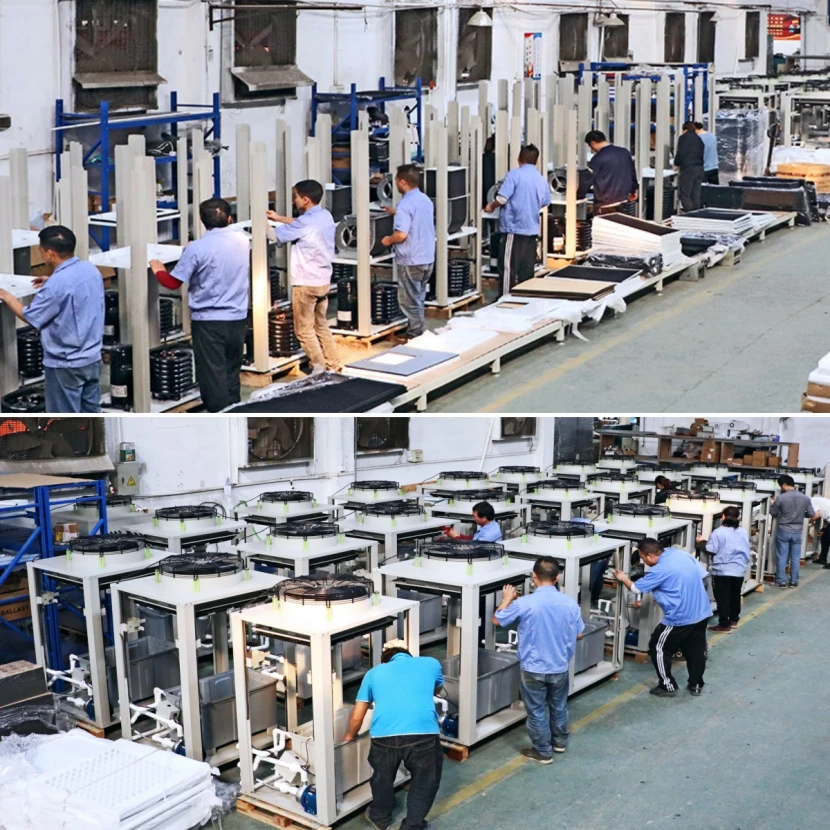
Les locaux électriques sont bien plus qu'une simple section de votre installation. Ils constituent le cœur même du contrôle et de l'automatisation. Ces espaces abritent des équipements sensibles qui dépendent fortement de conditions environnementales stables. Sans un refroidissement adéquat, même les systèmes les plus sophistiqués peuvent tomber en panne de manière inattendue.
Pourquoi les locaux électriques nécessitent-ils un système de refroidissement spécialisé ?
Les composants électriques génèrent une chaleur continue en fonctionnement. Cette chaleur peine à s'évacuer des espaces confinés. Le problème s'aggrave lorsque plusieurs panneaux et variateurs fonctionnent simultanément. La surchauffe risque de réduire la durée de vie des équipements et provoque des pannes système. Ces pannes peuvent interrompre les lignes de production et endommager des équipements coûteux. Une régulation thermique stable garantit la sécurité et un fonctionnement optimal. Elle permet aux contacts de relais, aux automates programmables et aux variateurs de fréquence de fonctionner dans leur plage de fonctionnement idéale. Une stratégie de refroidissement intelligente privilégie la fiabilité au confort de base.
Quels sont les défis courants liés au refroidissement des salles de contrôle ?
Les salles de contrôle sont souvent confrontées à des problèmes que les systèmes de climatisation classiques ne peuvent résoudre. L'exiguïté des espaces et la forte densité des équipements contribuent à l'augmentation de la chaleur, créant ainsi des points chauds. De ce fait, certaines zones deviennent nettement plus chaudes que d'autres. Une mauvaise circulation de l'air engendre des variations de température, ce qui sollicite davantage certains composants. Parallèlement, la poussière, l'humidité et les conditions climatiques extérieures nuisent à l'efficacité du refroidissement. Elles obstruent les filtres ou provoquent la corrosion des pièces internes. En conséquence, les performances globales diminuent progressivement jusqu'à une panne majeure.
Évaluation de différentes méthodes de refroidissement pour les locaux techniques
Les méthodes de refroidissement varient selon l'importance de l'environnement. La différence entre le refroidissement de confort et le refroidissement industriel est significative. Cette différence est cruciale lorsque la disponibilité du système est l'objectif principal.
Systèmes de climatisation traditionnels vs. systèmes de climatisation industriels
Les climatiseurs de confort standard ne peuvent pas supporter des charges de travail industrielles constantes. Ils s'allument et s'éteignent pour le confort humain, sans répondre aux besoins réels des équipements. En revanche, climatiseurs industriels Offrant une durabilité accrue et un contrôle précis de la température, ces unités maintiennent des températures stables même en cas de variations de charge. Elles fonctionnent également efficacement dans des environnements difficiles. L'efficacité énergétique et la fiabilité distinguent les modèles industriels des modèles standard. Les unités industrielles sont dotées de composants robustes et de joints d'étanchéité renforcés. Elles intègrent également une logique de contrôle avancée conçue pour un fonctionnement continu.
Comment la conception du flux d'air influence-t-elle l'efficacité du refroidissement ?
La conception du flux d'air est déterminante pour l'efficacité d'un système de refroidissement. Un bon flux d'air évite les points chauds à proximité des panneaux électriques sensibles et répartit l'air uniformément dans toute la pièce. Décharge verticale Les grilles d'aération supérieures améliorent la circulation de l'air dans les petites pièces. Ces configurations sont particulièrement utiles lorsque l'espace au sol est limité. Un entretien régulier des filtres garantit l'efficacité du système sur le long terme. Négliger cet entretien réduit rapidement son efficacité. La poussière obstrue les conduits d'air et sollicite excessivement les ventilateurs.
Solutions de refroidissement écoénergétiques pour les installations modernes
Aujourd'hui, les installations modernes envisagent le refroidissement différemment. Il n'est plus considéré comme un système isolé, mais comme un élément d'une stratégie globale de gestion de l'énergie.
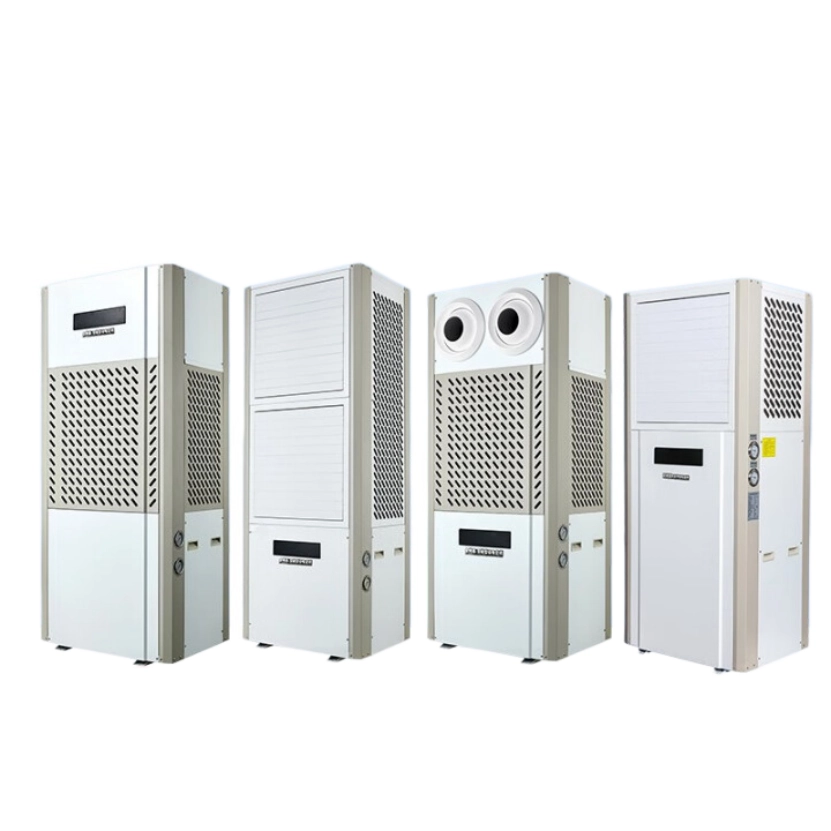
Le rôle des climatiseurs industriels à économie d'énergie
Les systèmes modernes s'appuient sur des commandes intelligentes pour moduler la puissance de refroidissement en temps réel. Ils s'adaptent rapidement aux variations de température. La technologie Inverter réduit la consommation d'énergie lors des phases de fonctionnement partiel. Elle ajuste la vitesse du compresseur en douceur, évitant ainsi les arrêts et redémarrages fréquents. De nombreuses unités sont équipées d'un panneau de refroidissement alvéolaire haute performance. Cet ajout offre refroidissement par évaporation économe en énergieIl est parfaitement adapté aux pièces exigeant un contrôle strict de l'humidité. En définitive, ces climatiseurs industriels protègent les équipements. Ils permettent également de réduire les coûts de fonctionnement quotidiens grâce à une consommation d'énergie optimisée.
Caractéristiques clés à rechercher dans un climatiseur industriel écoénergétique
Climatiseurs à sortie supérieure de type armoire Ces unités de refroidissement alimentent directement les armoires électriques et les coffrets de commande. Elles s'intègrent parfaitement dans les espaces restreints. Leur flux d'air de sortie supérieur améliore le refroidissement des équipements verticaux, notamment les disjoncteurs superposés et les baies d'automates programmables. Leur conception compacte simplifie l'installation sans compromettre la capacité de refroidissement, un atout majeur lors de la modernisation d'armoires anciennes. En effet, nombre d'entre elles ne peuvent pas accueillir d'unités à montage latéral.
Considérations pratiques lors du choix d'un système de refroidissement
Chaque installation présente un profil thermique unique. La configuration du bâtiment, la densité des équipements et les conditions météorologiques locales déterminent ce profil spécifique.
Comment adapter la capacité de refroidissement aux besoins de la pièce ?
Un dimensionnement adéquat repose sur un calcul précis. Il est indispensable de calculer la charge thermique totale en tenant compte des caractéristiques des équipements et des dimensions de la pièce. Des unités sous-dimensionnées peuvent entraîner une surchauffe, tandis que des unités surdimensionnées gaspillent de l'énergie en raison de cycles de fonctionnement fréquents. Les variations saisonnières doivent également être prises en compte, car la température et l'humidité de l'air entrant varient selon les saisons. Des systèmes de refroidissement de secours restent nécessaires pour les applications critiques. Les centres de données et les lignes de production automatisées requièrent cette sécurité supplémentaire, car un arrêt imprévu peut engendrer des pertes considérables.
Meilleures pratiques d'installation et de maintenance pour une fiabilité à long terme
Une installation correcte est essentielle à la réussite à long terme de votre système. Une bonne étanchéité empêche les fuites d'air hors de l'armoire. Ces fuites peuvent perturber l'équilibre de pression interne et aspirer des poussières nocives. Le nettoyage régulier des filtres, des serpentins et des ventilateurs assure une bonne circulation de l'air et permet de maintenir l'efficacité énergétique au plus près de son niveau initial. La surveillance de l'état du système via les outils intégrés ou les dispositifs IoT est très utile et permet aux techniciens de résoudre les problèmes avant qu'ils ne causent des dommages importants. Cette approche proactive est courante dans les usines intelligentes d'aujourd'hui.
Intégration de la ventilation intelligente aux systèmes de refroidissement pour des performances optimales
Le refroidissement seul ne suffit pas toujours. Cela se vérifie notamment face à des variations climatiques ou à des climats très humides.
Combinaison des stratégies de ventilation et de climatisation
Un système de ventilation équilibré optimise l'efficacité du refroidissement. Il évacue la chaleur et l'humidité excédentaires dès leur apparition, avant qu'elles n'atteignent les zones critiques des équipements. Les systèmes de récupération d'énergie permettent de réduire les coûts journaliers totaux. En hiver, ils récupèrent la chaleur résiduelle de l'air sortant et la transforment en air frais entrant. En été, ce processus s'inverse. La coordination des ventilateurs et des climatiseurs assure une stabilité climatique optimale. Cet équilibre est crucial dans les locaux électriques. Même de légères variations peuvent perturber les capteurs et compromettre la précision des instruments de mesure sensibles.
Vous hésitez encore sur la solution de refroidissement la mieux adaptée à votre installation ? Nous contacter pour discuter des exigences de votre projet.
FAQ (questions fréquentes)
Q1 : Pourquoi ne pas utiliser la climatisation de bureau standard pour les locaux électriques ?
Les climatiseurs classiques ne peuvent pas fonctionner en continu sous des charges thermiques importantes. Ils ne disposent pas non plus des commandes précises nécessaires à la protection des composants électroniques sensibles.
Q2 : À quelle fréquence faut-il nettoyer les filtres des climatiseurs industriels ?
Il est conseillé de les nettoyer tous les un à trois mois. Cette fréquence dépend du niveau de poussière ambiant. Les sols d'usine fortement chargés de poussière en suspension nécessitent des cycles de nettoyage beaucoup plus fréquents.
Q3 : Quel est l'avantage des armoires réfrigérées à sortie supérieure ?
Ces unités répartissent l'air froid de manière homogène sur les pièces empilées verticalement. Parallèlement, elles permettent de gagner un espace précieux sur les côtés à l'intérieur des armoires étroites.
Q4 : La surveillance intelligente peut-elle réduire les coûts de maintenance ?
Oui, tout à fait. Les systèmes de surveillance basés sur l'IoT détectent les premiers signes de dysfonctionnement ou d'usure des pièces. Cette alerte permet aux techniciens d'intervenir rapidement et d'éviter ainsi des arrêts de production coûteux.
Q5 : Les systèmes d'évaporation conviennent-ils à tous les climats ?
Ces systèmes fonctionnent de manière optimale dans les endroits secs. Les régions très humides nécessitent généralement des configurations hybrides. Ces conceptions mixtes associent un refroidissement par détente directe à une ventilation soignée.
 English
  Russian
  Arabic
  Spanish
  French
  Italian