

How to Cool a Factory Workshop Without High Air Conditioning Costs
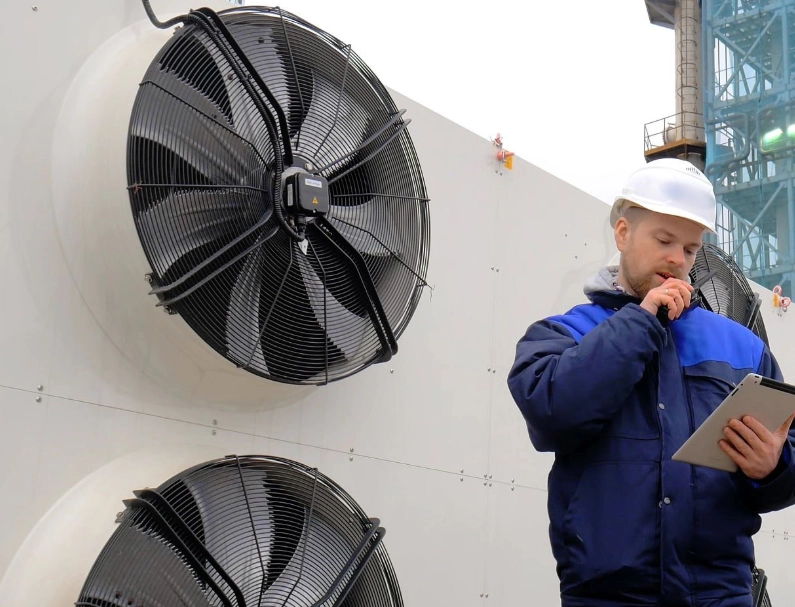
Keeping a factory workshop cool without excessive air conditioning costs is a major challenge for many industrial operators. This challenge can be addressed by combining effective ventilation strategies, energy-efficient cooling systems, and intelligent control solutions. Tweak the air movement and tap into simple cooling techniques, and you will hold steady, pleasant conditions for staff. At the same time, you keep power bills in check.
Why Factory Workshops Get Hot Easily
Heavy machinery and production lines continuously generate heat as they work. Weak ventilation lets hot air build up. This lifts both heat and dampness inside. Many factories use metal roofing structures that soak up sun rays all day. Lacking good insulation, that warmth spreads down. This results in uncomfortable indoor working conditions.
The Cost Problem with Conventional Air Conditioning
Regular AC setups don’t suit huge, open factory floors. They consume large amounts of energy to keep temps even. Non-stop running brings more upkeep and cuts gear life short. Plus, cool air sinks. So, these units fight to spread chill evenly in high-ceiling or broad spots. Hot patches stay, and power gets squandered. This leads to significantly higher operating costs.
Natural and Mechanical Ventilation Solutions
Reducing reliance on expensive air conditioning systems. Blend natural air flow with machine air systems. This proves quite useful.
Improving Air Circulation with Industrial Fans
Industrial fans are one of the most effective solutions for stirring air in vast rooms. Ceiling fans help redistribute stagnant air. Wall fans drive hot air out. Axial fans deliver big air volumes for broad venting. Centrifugal fans, on the other hand, send aimed air to targeted spots. Think assembly lines or packing sections.
Strategic fan placement ensures consistent airflow throughout the workspace. Take placing them by heat sources or air routes, for instance. This ramps up comfort a good deal. It also holds steady temps across the whole space.
DAIHO Ventilation’s wall-mounted fan features a heavy-duty galvanized steel frame and aerodynamic aluminum blades for superior airflow and durability. This kind of design ensures long-term reliability even in humid or dusty environments common in manufacturing facilities.
Using Roof Ventilators for Heat Exhaust
Hot air climbs up naturally. Roof ventilators thus handle pushing stuck heat out from high building parts. Breeze-powered ones run without help from natural winds. Motor-driven types fit bigger shops that demand stronger pull.
Energy-Efficient Cooling Technologies
Sometimes, just mechanical venting won’t cut it. You can weave in newer cooling tools then. They improve cooling performance without significantly increasing energy consumption.
The Role of Evaporative Cooling Systems
Evaporative cooling systems rely on water turning to vapor to ease room heat. Warm air passes through water-saturated cooling pads. It gives up warmth by pulling in moisture. This saves energy next to old refrigerant ACs.
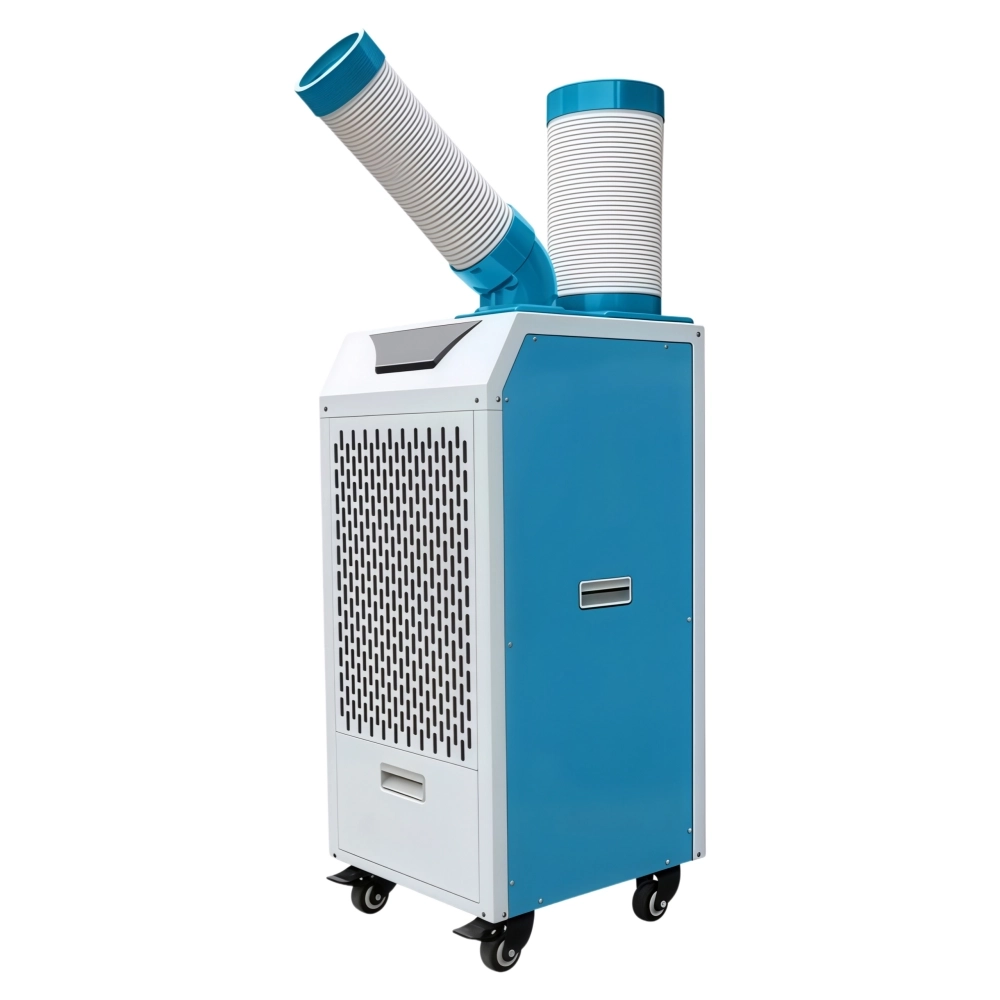
Such systems perform well in arid or somewhat moist areas. There, they bring in fresh outside air to the work zone. Portable air coolers combine high airflow performance with energy efficiency. It’s particularly useful for spot cooling near production lines or semi-open areas like loading docks.
Integrating Hybrid Cooling Systems
Hybrid arrangements merge mechanical venting’s perks with evaporation cooling. Fans spread the chilled air better over wide areas. Smart control systems adjust fan speeds based on real-time temperature data. They run only as required. This cuts power use. Comfort holds firm through full shifts.
Optimizing Workshop Design for Better Cooling Efficiency
Tech by itself can’t fix every heat trouble. The building’s setup matters a lot in managing inside temps.
Enhancing Building Insulation and Layout Design
Insulated roof stuff cuts sun heat intake in busy hours. Reflective surfaces reduce solar heat absorption instead of taking it in. This drops surface heat by some degrees. Roomy floor plans boost side-to-side air flow. They do so by leaving paths clear between sections.
Plants in steamy spots gain from shiny covers or twin-layer roof sheets. These trim heat shift from metal roofs to inside rooms a fair bit.
Strategic Placement of Equipment and Workstations
Equipment placement plays a critical role in heat management. Set high-heat gear close to exhaust spots. This stops local hot builds and betters the full cooling stream. Keep intense heat areas, such as welding zones, apart from main work spots. It builds nicer settings for staff doing fine jobs or piecing together parts.
Shape open routes that aid natural breeze paths. For example, set doors or vents facing each other. This lifts hands-off venting all through the site.
Implementing Smart Control and Monitoring Systems
Current factories gain plenty from digital watchers that follow air factors non-stop.
Using Sensors to Manage Temperature and Humidity Levels
Put in temp and humidity sensors. They detect temperature variations in real time before these hit output or machine work. Auto controls tweak fan speeds or kick on evaporative coolers. They use data patterns to decide. As time passes, check those figures. This aids in sharpening long-range power plans. Tailor them to weather swings or output rhythms. Plenty of teams spot gains here.
Scheduling Maintenance for Maximum Efficiency
The best systems drop off without right care. Regular wipe-downs of filters, channels, and openings keep air flowing smooth without blocks. Upfront upkeep plans cut failures that mess up key output times. Gear that’s tended well draws less power in total. It also stretches service life. You get clear savings as years go by.
Choosing the Right Cooling Partner for Your Factory Needs
Choose a seasoned partner. This guarantees each fix, from planning talks to setup, fits your exact work setup.
Evaluating Professional Industrial Ventilation Providers
As you weigh suppliers, select suppliers with proven experience on major industrial work in diverse weathers. A solid one supplies a full lineup. That includes industrial fans, evaporative coolers, dehumidifiers, and linked control setups. They support it all with post-sale care and update paths as tech advances.
Why DAIHO Ventilation Offers a Reliable Solution
Foshan Daiho Equipment Co., Ltd. is a professional manufacturer specializing in the design, production, and supply of ventilation and cooling equipment. The company provides energy-efficient solutions tailored to different workshop environments, from portable air coolers to large-scale roof ventilation systems.
FAQs
Q1: How can I reduce factory cooling costs without installing new AC units?
Improving ventilation with industrial fans and roof ventilators significantly lowers indoor temperature before considering additional cooling devices.
Q2: What’s the difference between evaporative cooling and traditional AC?
Evaporative coolers use water evaporation rather than refrigerants to cool air naturally with much lower power consumption.
Q3: How often should industrial ventilation equipment be maintained?
Filters and vents should be cleaned monthly during hot seasons; full inspections are recommended every six months.
Q4: Are hybrid ventilation systems suitable for humid climates?
Yes—but they require careful calibration between fan speed and moisture control settings to prevent excess humidity buildup.
Q5: What factors determine the right size of an industrial cooler?
Consider total floor area, ceiling height, number of heat sources, local climate conditions, and desired temperature range before selecting capacity specifications.
 English
  Russian
  Arabic
  Spanish
  French
  Italian