

تبريد مراكز البيانات: لماذا تُعدّ التهوية الموفرة للطاقة مهمة؟
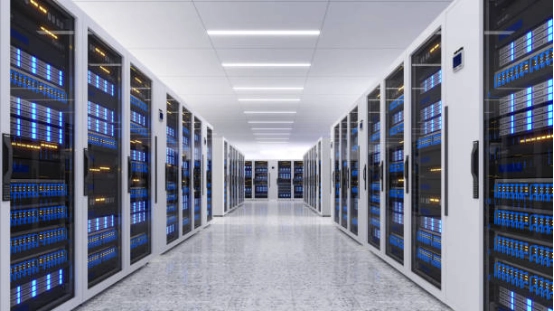
تحتاج مراكز البيانات إلى مزيد من الاهتمام بالتبريد وإدارة تدفق الهواء. ويجري تركيب الخوادم بكثافة متزايدة. وتنتج تطبيقات الذكاء الاصطناعي والحوسبة السحابية حرارة إضافية داخل المباني.
لا يقتصر التبريد على الحفاظ على درجة حرارة ثابتة، بل يؤثر أيضًا على استهلاك الطاقة، وموثوقية المعدات، وتكاليف التشغيل اليومية. تشتري العديد من المنشآت أنظمة تبريد قوية، لكنها تتجاهل إدارة تدفق الهواء بشكل صحيح. قد تحتوي الغرفة على قدرة تبريد كافية، لكن قد تتشكل بؤر ساخنة إذا بقي الهواء الدافئ محصورًا.
تُساهم أنظمة التهوية الموفرة للطاقة في خلق مسارات تدفق هواء أكثر فعالية، مما يقلل الحمل على وحدات التبريد ويساعد في الحفاظ على ظروف مستقرة للمعدات الحيوية.
لماذا يُعد التبريد مهماً للغاية في مراكز البيانات الحديثة؟
تُصدر الخوادم حرارة باستمرار أثناء تشغيلها. وتؤدي زيادة كثافة الحوسبة إلى زيادة كمية الحرارة المنبعثة من كل رف. ويؤدي ضعف أداء التبريد إلى العديد من المشكلات الواضحة، ومنها ما يلي.
- ارتفاع استهلاك الكهرباء
- درجات حرارة المعدات غير المستقرة
- زيادة متطلبات الصيانة
- عمر المعدات الأقصر
في غرفة الخوادم النموذجية، حتى مشكلة بسيطة في تدفق الهواء قد تُحدث اختلافات كبيرة في درجات الحرارة. قد يعمل أحد الرفوف بشكل جيد، بينما قد يسخن رف آخر بشكل مفرط لأن الهواء الساخن يعود إلى منطقة التبريد.
كيف تتراكم الحرارة داخل مركز البيانات
تنبعث الحرارة بشكل رئيسي من المعالجات ووحدات معالجة الرسومات ومكونات الطاقة داخل الخوادم. تتراكم الحرارة بسرعة حول رفوف المعدات في الأنظمة ذات الكثافة العالية. يسمح تصميم تدفق الهواء الضعيف بعودة الهواء الساخن إلى منطقة سحب الهواء للخادم، مما يؤدي إلى عدم إزالة الهواء الساخن من الغرفة بكفاءة.
يؤدي هذا النمط إلى زيادة جهد أجهزة التبريد، مما يجعل بعض المناطق تبقى دافئة للغاية.
ماذا يحدث عندما يكون تبريد مركز البيانات غير فعال؟
يؤدي التبريد غير الفعال إلى زيادة استهلاك الكهرباء وتكاليف التشغيل.
غالباً ما تعمل وحدات التبريد دون توقف، ومع ذلك تظل هناك فجوات في درجات الحرارة بين المناطق. غالباً ما يكون السبب الرئيسي هو عدم كفاية تدفق الهواء وليس عدم كفاية قدرة التبريد. تحسين التهوية يرفع من أداء النظام، ولا حاجة إلى معدات تبريد إضافية لتحقيق هذا التحسن.
كيف تُحسّن التهوية كفاءة تبريد مراكز البيانات؟
تقوم التهوية بتوجيه حركة الهواء عبر مركز البيانات.
يُحافظ تصميم تدفق الهواء الفعال على فصل هواء التغذية البارد عن هواء العادم الساخن، مما يمنع اختلاطهما ويقلل في الوقت نفسه من الحاجة إلى تبريد إضافي.
قد تضيف المنشأة وحدات تبريد إضافية لمعالجة مشكلة ارتفاع درجة الحرارة. قد يبقى الهواء الساخن بالقرب من رفوف الخوادم، وفي هذه الحالة يرتفع استهلاك الطاقة. ومع ذلك، تبقى مشكلة تدفق الهواء الأساسية قائمة. يسمح نظام التهوية المناسب لأنظمة التبريد بالعمل بكفاءة أكبر.
دور المراوح الصناعية في إدارة الهواء في مراكز البيانات
تساعد المراوح الصناعية على تحريك الهواء في المساحات الكبيرة، حيث لا يكفي التدفق الطبيعي للهواء وحده في هذه المناطق. وتساعد المراوح على تقليل مناطق ركود الهواء وتحسين دوران الهواء بشكل عام.
الهدف ليس دفع كميات أكبر من الهواء، بل توجيه تدفق الهواء إلى الأماكن التي يكون فيها أكثر فائدة.
لماذا يُعد تصميم تدفق الهواء أكثر أهمية من قدرة التبريد وحدها؟
زيادة قدرة التبريد لا تحل المشكلة دائماً. تصميم تدفق الهواء الضعيف يُبرّد بعض المناطق بشكل مفرط، بينما تتراكم الحرارة في مناطق أخرى.
يُحلل تصميم التهوية الذكي مواقع الخوادم ومصادر الحرارة، ويُراجع اتجاه تدفق الهواء ومسارات العادم. تُحسّن هذه الطريقة كفاءة التبريد مع تقليل هدر الطاقة.
ما هي حلول التبريد الأكثر كفاءة في استهلاك الطاقة لمراكز البيانات؟
يجمع نظام التبريد الموفر للطاقة بين عدة تقنيات، ولا يعتمد على نظام واحد فقط.
أنظمة تكييف الهواء الموفرة للطاقة
أنظمة تكييف هواء عالية الكفاءة لا تزال خيارًا شائعًا لمراكز البيانات.
توفر الوحدات الحديثة تحكمًا دقيقًا في درجة الحرارة، كما أنها تقلل من استهلاك الطاقة. تحافظ هذه الوحدات على استقرار الظروف، مما يغني عن التبريد الإضافي. وتشهد المنشآت التي تعمل على مدار الساعة وفورات كبيرة من خلال تحسينات طفيفة في الكفاءة على المدى الطويل.
أنظمة التبريد التبخيري لخفض استهلاك الطاقة
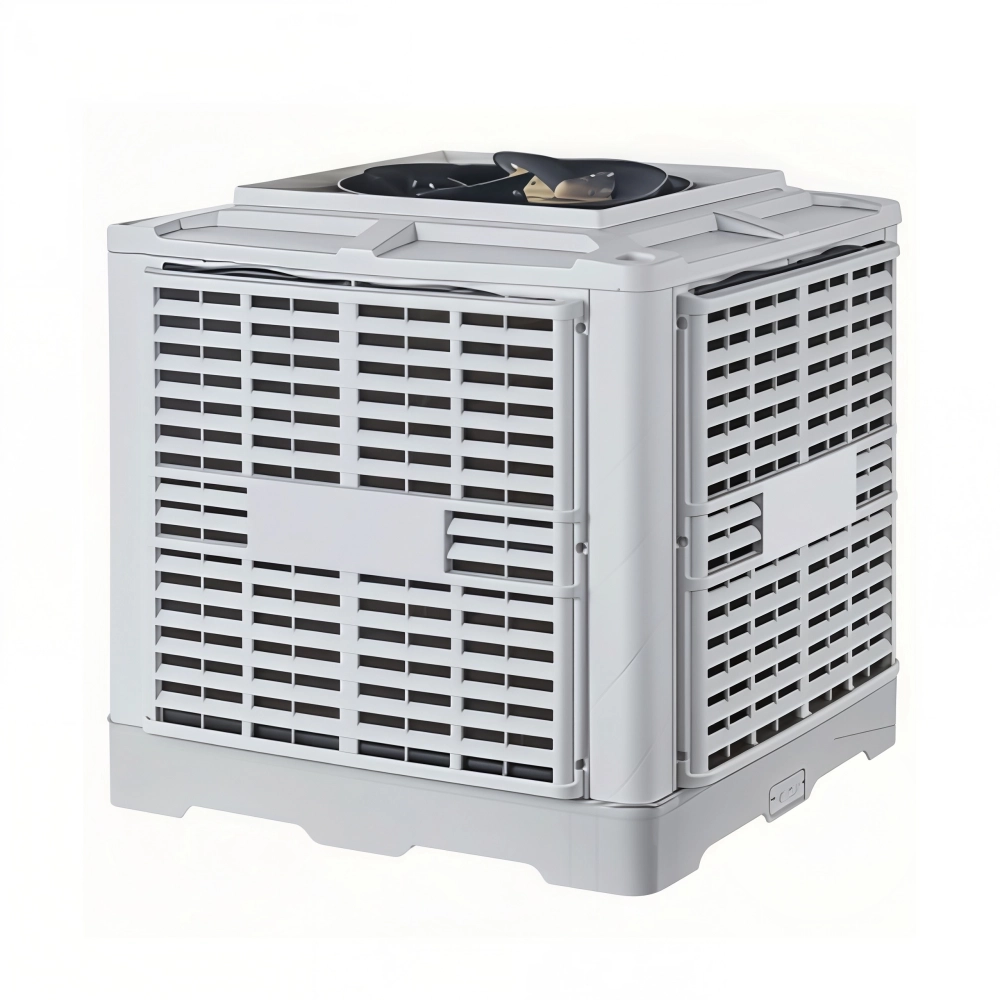
تبريد التبخر يوفر هذا الأسلوب طريقة أخرى لتوفير الطاقة. وتعتمد فعاليته على المناخ وظروف الرطوبة المحيطة.
يقوم النظام بتبريد الهواء عن طريق تبخير الماء. وغالبًا ما يستهلك طاقة كهربائية أقل من طرق التبريد التقليدية.
حلول إزالة الرطوبة والتحكم في الرطوبة
لا يكفي التحكم في درجة الحرارة وحده.
تؤثر مستويات الرطوبة على سلامة المعدات. فالرطوبة الزائدة تؤدي إلى مخاطر التكثف، بينما يؤدي الهواء الجاف جداً إلى مشاكل الكهرباء الساكنة. أنظمة إزالة الرطوبة تساعد في الحفاظ على مستويات الرطوبة المناسبة. كما أنها تحمي المعدات الإلكترونية الحساسة.
كيف يمكن لمراكز البيانات خفض تكاليف الطاقة اللازمة للتبريد؟
يبدأ خفض تكاليف التبريد بتحسينات في جميع مراحل عملية إدارة الهواء.
تتحقق الوفورات من خلال تصميم نظام أكثر ذكاءً واختيار دقيق للمعدات. ويساهم التشغيل المستقر في تعزيز هذه المكاسب.
تحسين إدارة تدفق الهواء
يوفر تحسين تدفق الهواء مسارًا مباشرًا لتحسين كفاءة التبريد.
يؤدي تقليل إعادة تدوير الهواء الساخن إلى تحسين مسارات التهوية. كما أن موازنة هواء التزويد تُحسّن أداء أنظمة التبريد. ويمكن أن تُحقق تغييرات بسيطة في تصميم تدفق الهواء فوائد أكبر من زيادة سعة التبريد.
استخدم معدات تبريد عالية الكفاءة
غالباً ما تهدر الوحدات القديمة طاقة أكثر من اللازم.
يساهم التحديث إلى حلول التبريد الحديثة في خفض استهلاك الكهرباء، وقد يقلل أيضاً من متطلبات الصيانة على المدى الطويل. ويُعدّ الخيار الأمثل هو الذي يوازن بين التكلفة الأولية ونفقات التشغيل على المدى الطويل.
دمج أنظمة التهوية والتبريد
تعمل معدات التبريد بأفضل شكل عند اقترانها بنظام تهوية فعال.
المروحة الصناعية تعمل هذه الأنظمة بالتكامل مع مكيفات الهواء. وتُكمل أنظمة التبريد التبخيري وأجهزة التحكم في الرطوبة هذه المجموعة، لتشكل حلاً متكاملاً للتبريد والتهوية. هذه الطريقة تزيد من موثوقية النظام، وتُمكّن المنشآت من تلبية احتياجات التبريد المتغيرة بسهولة أكبر.
اختيار نظام تبريد مركز البيانات
يبدأ اختيار نظام التبريد برؤية واضحة لبيئة التشغيل.
الحل الأمثل يلبي الاحتياجات الحالية، كما أنه يتيح مجالاً للنمو المستقبلي.
متطلبات سعة التبريد والحمل الحراري
تختلف احتياجات التبريد باختلاف كثافة الخوادم وحجم المنشأة. كما يجب مراعاة تصميم المعدات وتوليد الحرارة.
قد يؤدي تصميم نظام دون التحقق من الحمل الحراري الفعلي إلى هدر الطاقة، وقد يفشل في الحفاظ على ظروف مستقرة.
كفاءة الطاقة وتكاليف التشغيل
يظل استهلاك الطاقة مصدر قلق طويل الأمد لمراكز البيانات.
يساهم النظام الأكثر كفاءة في خفض النفقات طوال فترة تشغيله. ينبغي على الفرق مراجعة احتياجات الصيانة وموثوقية النظام قبل اتخاذ القرار.
موثوقية النظام وقابليته للتوسع
يجب أن تعمل مراكز البيانات بشكل مستمر.
يجب أن توفر أنظمة التبريد أداءً ثابتاً، وأن تدعم التوسعات المستقبلية. كما أن المعدات الموثوقة تقلل من احتمالية توقف العمل بسبب مشاكل درجة الحرارة.
لماذا تختار أنظمة التهوية من داي هو للحصول على حلول تبريد موفرة للطاقة؟
تتخصص شركة داي هو للتهوية في أنظمة التهوية الصناعية وأنظمة التبريد الموفرة للطاقة. وتُوفر الشركة مراوح صناعية، ومكيفات هواء، وأنظمة تبريد تبخيري، وأجهزة إزالة الرطوبة. صُممت هذه المنتجات خصيصًا للمنشآت التي تتطلب تدفق هواء فعالًا وتحكمًا دقيقًا في درجة الحرارة.
لكل منشأة تحدياتها الخاصة في مجال التبريد. قد يحتاج مركز البيانات أو المصنع إلى نهج هندسي فريد.
تركز شركة دايهو للتهوية على تقديم حلول متكاملة بدلاً من بيع معدات منفصلة. فهي تجمع بين تقنيات التهوية وأنظمة التبريد، مما يُحسّن دوران الهواء والتحكم البيئي، ويُمكنه أيضاً رفع كفاءة استهلاك الطاقة. غالباً ما تجد المؤسسات التي تسعى إلى تحسين أداء التبريد ضالتها في خطة تهوية وتبريد مُصممة خصيصاً لها، بينما يُعدّ مجرد زيادة سعة المعدات أمراً غير عملي.
الخلاصة: بناء مركز بيانات أكثر استدامة مع تهوية فعالة
أصبح تبريد مراكز البيانات جزءًا أساسيًا من إدارة الطاقة.
تُحسّن التهوية الفعّالة تدفق الهواء، وتقلل من الحاجة غير الضرورية للتبريد، وتدعم التشغيل المستقر للمعدات. وتعتمد استراتيجية التبريد الناجحة على التوازن بين تصميم التهوية وتقنية التبريد.
هل تبحث عن حلول تهوية وتبريد موفرة للطاقة لمركز البيانات الخاص بك؟ اتصل بشركة داي هو للتهوية للحصول على توصيات نظام مخصصة.
أسئلة متكررة
س: ما هو دور التهوية في تبريد مراكز البيانات؟
تعمل التهوية على إدارة تدفق الهواء داخل المنشأة، وتساعد على إزالة الهواء الساخن، وتحسين توزيع التبريد، وتقليل هدر الطاقة.
س: هل أنظمة التبريد التبخيري مناسبة لمراكز البيانات؟
يمكن أن يكون التبريد التبخيري فعالاً في البيئات المناسبة، وغالباً ما يُختار عندما يكون خفض استهلاك الكهرباء أمراً بالغ الأهمية. كما أن تحسين كفاءة تبريد الهواء يُعد هدفاً رئيسياً آخر.
س: كيف يمكن لمراكز البيانات خفض تكاليف الطاقة اللازمة للتبريد؟
يمكن للمنشآت خفض تكاليف التبريد من خلال تحسين تصميم تدفق الهواء. فهي تختار معدات فعالة، وتربط أنظمة التهوية بأنظمة التبريد.
س: ما هي معدات التبريد التي توفرها شركة دايهو للتهوية؟
توفر شركة DAIHO Ventilation مراوح صناعية وأنظمة تكييف الهواء ومعدات التبريد التبخيري وحلول إزالة الرطوبة لمختلف التطبيقات الصناعية والتجارية.
 English
  Russian
  Arabic
  Spanish
  French
  Italian