

Common Evaporative Cooling Problems and How to Fix Them
Maintaining a stable temperature in industrial spaces significantly improves productivity, protects equipment, and ensures worker safety. However, even reliable evaporative cooling systems may encounter issues such as weak airflow, water leakage, or unpleasant odors. The good news is that most of these issues can be prevented or resolved through regular maintenance and a basic understanding of system operation.
Evaporative cooling works by reducing air temperature. In these systems, hot outdoor air passes over wet cooling pads, where water evaporates and absorbs heat. As a result, cooler and fresher air is circulated indoors. Dry weather suits it best. Lower moisture in the air lets more evaporation take place.
How Evaporative Coolers Work
Evaporative cooling draws on a straightforward yet strong natural trick. Water evaporates and absorbs heat from the surrounding air. Most evaporative coolers pack a few core pieces. A fan sucks in air. A pump sends water across the pads. A reservoir holds the water supply. Cooling pads provide a large surface area for evaporation. Both air speed and moisture count heavily in how well it chills. When humidity climbs, cooling dips. The air just can’t grab extra water easily.
Common Uses of Evaporative Cooling in Industrial Settings
Factories, storage buildings, shops, and farm sites turn to evaporative cooling often. Regular AC runs too pricey or power-hungry in those spots. These systems are valued for their low operating costs and continuous supply of fresh air.
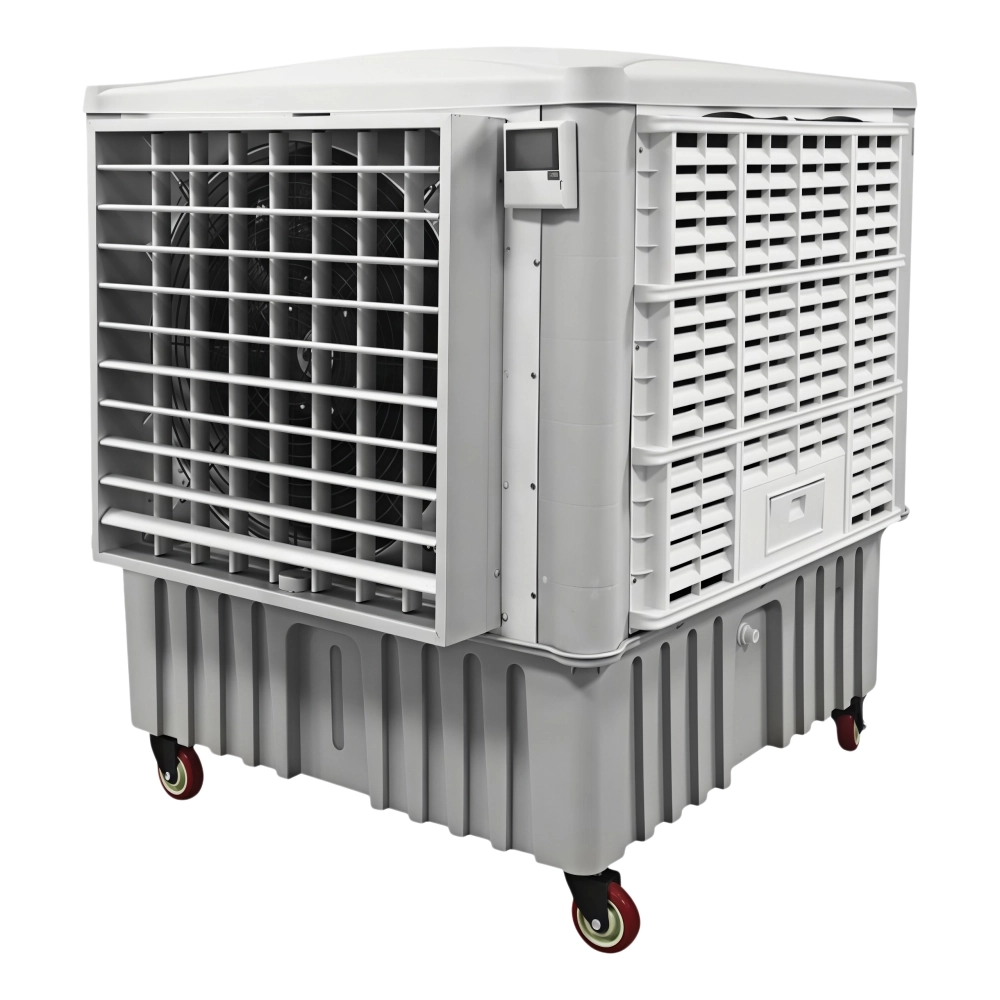
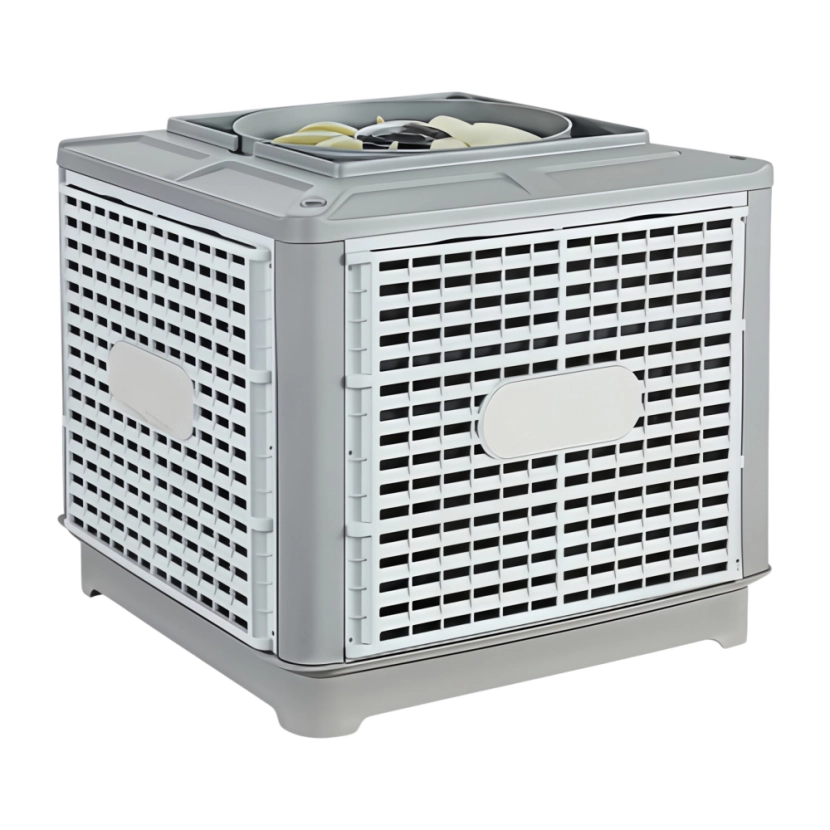
For example, the DAIHO Ventilation evaporative cooler, designed specifically for industrial-scale ventilation, features a three-sided air intake design and a high-power axial fan, ensuring continuous air circulation and effectively reducing indoor temperatures even in the extreme heat environments of Southeast Asia.
Identifying Common Evaporative Cooler Problems
Tough setups can still pick up glitches as months pass. Catching hints early saves you from big shutdowns.
Inadequate Cooling Performance
Your cooler might not push out enough chill if cooling pads may become dry or clogged, choking the breeze. The pump could send too little water. Or vents might jam up. High ambient humidity can limit cooling efficiency. As wetness builds, evaporation eases off.
Water Leakage Issues
Water leakage is often caused by damaged reservoirs or loose connections. Stuffing too much water in can spill over while running. Hard water piles up minerals. These slowly chew through gaskets and links unless you scrub often or switch to clean water.
Unusual Odors or Musty Smells
Unpleasant odors usually indicate mold or bacterial growth or slime on soggy pads, or pooled water in the tank. Skip checks, and germs flourish in the steamy warmth. It drags down the unit’s work and the air you breathe.
Excessive Noise During Operation
Excessive noise is usually caused by worn components. Slipping belts, beat bearings, or wobbly fans kick up shakes. These ramp up the racket and cut life from pieces.
Evaporative Cooler Pump Not Working
The pump might quit from power glitches, like torn cables or bad toggles. Debris in the water line can block water flow to the intake. Low levels make it spin empty, frying it quick. Many overlook this easy-to-spot slip.
How to Fix Common Evaporative Cooler Problems
Don’t rush to pros yet. A close look and wipe-down solves plenty.
Restoring Cooling Efficiency
Cleaning or replacing swamp cooler pads. Replace worn or clogged cooling pads. Scan for crusty minerals or fuzzy mold. Fit in fresh matches to the manufacturer’s thickness and fabric specs. This holds airflow at the right drag.
Checking airflow and ventilation paths. Peek into channels and openings for blocks, from dust clumps to obstructions near air vents. Tune fan paces to the area’s span. Crank it up to spread chill evenly in broad rooms.
Addressing Water Leakage Problems
Inspecting the water tank and connections. Eye the edges on reservoirs for breaks or rust. Secure all connections properly, not force. Dab on seal coat where trouble spots show.
Managing water quality to prevent scale build-up. Use treated or filtered water when you can. Stuff like calcium sticks to spots bit by bit. Rinse reservoirs at intervals to dump silt before topping off.
Eliminating Odors and Bacterial Growth
Regular cleaning of reservoirs and pads. Pour out idle water each week in busy times to avoid pooling. Wipe tanks with soft cleaners fit for metal or plastic. Avoid harsh cleaning chemicals that clings to pads.
Reducing Noise Levels Effectively
Lubricating moving parts and tightening components. Lubricate bearings regularly with thin grease on cue. Lock down bolts on blades or bases. A slight slip can turn shakes into a roar when it hums.
Fixing a Nonfunctional Pump System
Testing electrical connections and switches. Use a multi meter to trace power from outlet to pump hooks. Swap ragged lines at once. Skip starts if the wrap looks beat.
Clearing blockages in water lines. Unplug tubes to the pump. Wash away scraps like weed bits or crystal flecks that choke the stream.
Preventive Maintenance Tips for Long-Term Performance
Steady habits keep things humming without shocks.
Establishing a Regular Maintenance Schedule
Perform monthly inspections in high-heat stretches. Target pad shape, fan steadiness, wire safety, and basin spotlessness. Hit a full scrub before spring launch yearly. Leftover grit from cold spells jams flows the second you wet it.
Monitoring Water Quality and Usage Efficiency
Track use day by day. Sharp jumps hint at seeps in the pipes. Clear out runoff ways. Leftover damp won’t spark slime in holds or lines.
Using High-Efficiency Components from Trusted Suppliers
The DAIHO Ventilation portable air cooler is designed for demanding industrial environments. Its robust construction and large-capacity water tank ensure stable operation under harsh conditions while maintaining low energy consumption—ideal features for upgrading older equipment that seeks to improve reliability without increasing costs.
Enhancing System Efficiency with Professional Support
Some issues require professional technical support past basic chores.
When to Seek Expert Assistance
Drips that linger after patches, or power hiccups that loop, flag root troubles. Pros diagnose these better than endless home tries.
Benefits of Choosing DAIHO Ventilation Services
DAIHO Ventilation‘s industrial exhaust fans are designed for powerful ventilation and long-term outdoor use. Our engineering expertise extends to evaporative cooling—providing tailored installation guidance and ongoing technical support to ensure stable year-round operation in industrial facilities worldwide.
FAQs
Q1: Why is my evaporative cooler not blowing cold air?
Peek at swamp cooler pads right off. Clogged or bone-dry? Swap them quick. They drive the evaporation that chills.
Q2: How often should I clean my evaporative cooler?
In full-swing seasons like summer, scrub tanks weekly. Eye pads monthly for crud or fuzz.
Q3: Can I use tap water in my cooler?
Yes, but filtered or softened water helps reduce mineral scaling which damages pumps over time.
Q4: What causes my evaporative cooler pump not working properly?
Likely reasons include electrical faults, blockages in supply lines, or running dry due to insufficient tank levels.
Q5: How can I make my evaporative cooler quieter?
Lubricate moving parts regularly and ensure all screws are tight; unbalanced fans often create unnecessary vibration noise.
 English
  Russian
  Arabic
  Spanish
  French
  Italian