

Главные преимущества вентиляторов циркуляции воздуха для складов и теплиц
Роль циркуляции воздуха в контролируемой среде
Почему циркуляция воздуха имеет решающее значение для складов и теплиц
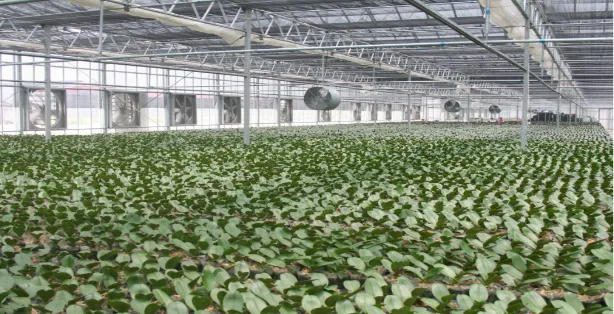
В больших местах, таких как склады и теплицы, постоянное движение воздуха не просто приятно. Это обязательно. Хороший поток воздуха помогает сохранять температуру и влажность стабильными. Это очень важно для вещей, которые вы храните, и для растений, которые вы выращиваете. Если воздух просто сидит спокойно, вы окажетесь с горячими точками или холодными углами. Эти неравномерные пятна могут разрушить чувствительные вещества или испортить рост растений.
Кроме того, когда воздух хорошо движется, ваши нагревательные и охлаждающие устройства не должны так сильно бороться. Фанаты хорошо смешивают все. Это сокращает потребление энергии, и вы действительно замечаете это на счете за электроэнергию. В теплицах движущийся воздух также распространяет CO ₂ вокруг растений и останавливает воду от сидения на листьях. Обе вещи поддерживают растения счастливыми и здоровыми.
Основные различия между естественным и механическим воздушным потоком
Естественные способы пропуска воздуха, такие как открытие вентиляционных отверстий или окон, зависят от ветра снаружи. Иногда это работает, иногда нет. В больших закрытых зданиях, где требуется жесткий контроль, это просто недостаточно надежно.
Механические вентиляторы, особенно большие висящие осиевые или модели вертикальной циркуляции, дают вам стабильный, сильный поток воздуха именно там, где вы его хотите. Вы можете даже подключить их к умным элементам управления, чтобы они ускорили или замедлили автоматически, когда меняется погода.
Типы вентиляторов циркуляции воздуха, используемых в промышленных и сельскохозяйственных условиях
Обзор висящих осивых вентиляторов
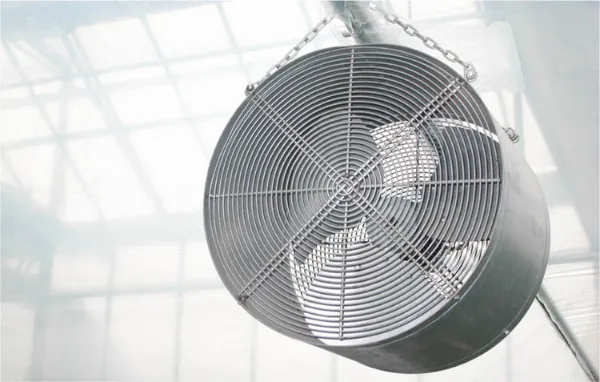
Весящие вентиляторы Натолкните воздух прямо вдоль лезвий. Они отлично работают в зданиях с очень высокими потолками. Люди висят их высоко, чтобы они покрывали огромную площадь, не мешая.
Лезвия производятся из жесткого, но легкого алюминиевого медного магния-цинкового сплава. Они формируют их в один твердый кусок с изысканными формами. Результат? Супер тихой бег и практически без тревоги.
Эти вентиляторы доступны во многих размерах. Диаметры моделей варьируются от 470 мм до 570 мм. Самые большие подталкивают до 6500 м³/ч воздуха. Один блок может легко обрабатывать до 1800 м², в зависимости от того, какую модель вы выбираете.
Преимущества вертикальных вентиляторов циркуляции воздуха в теплицах
Вертикальные вентиляторы идеально подходят для теплиц. Они создают более равномерное продольное распределение воздушного потока в теплице, способствуя более сбалансированному смешению тепла и влажности. Это держит каждое растение в одном и том же мягком ветре.
- Распространение CO ₂ красиво и даже так каждый лист получает то, что ему нужно для приготовления еды.
- Сухие листья остаются здоровыми. Меньше воды, сидящей вокруг, означает меньше плесени и неприятных грибов.
- Растения дышат лучше, корни растут сильнее, и вы в конечном итоге получаете больше урожая.
Их двигатели с постоянным магнитом имеют жесткие эмалированные катушки, сильные магниты и подшипники, которые смеются над теплом. Даже в парных, влажных теплицах они продолжают работать гладко.
Сравнение систем вентиляторов, устанавливаемых на пол
Оба вида имеют свое место.
Повешенные освобождают пол. Это потрясающе, когда вилочные погрузчики или люди много перемещаются. Половые блоки легче достичь для быстрого ремонта, но они могут заблокировать путь, если вы не осторожны. На высоких складах, полных стойок, висящие осиевые вентиляторы обычно лучше смешивают воздух сверху вниз.
Факторы производительности, влияющие на эффективность вентилятора
Объем, скорость и площадь покрытия воздуха
Выбор правильного вентилятора – это не только то, насколько он выглядит. Вы должны соответствовать номерам вашего здания.
Количество воздуха, которое он движется (то есть m³/h или CFM), должно соответствовать размеру вашей комнаты. Выгнутые, гладкие лезвия бросают воздух дальше, не тратячи энергии. Если вентилятор слишком маленький, некоторые углы остаются задушенными. Слишком большой, и вы просто сжигаете дополнительное электричество бесплатно.
Например, модели DH-HAC22 движутся 6500 м³/ч. Меньшие модели DH-HAC18 все еще движутся твердой мощностью 4500 м³/ч.
Экологические условия, влияющие на производительность вентилятора
Пыль, сумасшедшая жара или холод и влажный воздух могут съесть дешевые вентиляторы живыми довольно быстро. Вот почему важны хорошие части. Драйвер BD-DSP чувствует все без дополнительных датчиков. Он работает стабильно, работает на мощности 50 Гц или 60 Гц и продолжает двигаться сильно, независимо от того, что на него бросает комната.
Особенности конструкции, которые максимизируют эксплуатационную ценность
Продолжительность и качество материала в промышленных вентиляторах
Эти фанаты бегут день и ночь, год за годом. DAIHO строит лезвия из того же жесткого алюминиевого сплава аэрокосмического класса. Легкие, но безумно сильные, поэтому они продолжаются вечно, даже когда жизнь становится тяжелой.
Простая в чистке конструкция для гигиенического соответствия
В местах, где обрабатываются продукты питания или животные, вы не можете позволить грязи накапливаться.
Гладкие поверхности, ничего липкого. Многие детали разрушаются без инструментов. Чистка занимает минуты, а не часы, и вентилятор все еще дует так же сильно после этого.
Варианты взрывоопасности для опасных зон
Если вы сохраняете химические вещества или мелкие порошки, искры являются врагом.
Специальные герметизированные двигатели и проводка соответствуют правилам ATEX или UL. Безопасная и мощная в то же время.
Оптимизация размещения вентилятора и конфигурации системы
Рекомендуемые макеты для эффективной циркуляции воздуха
Где вы ставите фанатов, все меняется. Длинные здания любят воздушный поток бок к боку. Квадратные или круглые лучше делают с узором круга. DAIHO Ventilation составит индивидуальный план поэтому каждый залив или проход получает идеальное покрытие.
Интеграция с выхлопными системами для полного управления вентиляцией
Свежий воздух, старый воздух. Этот баланс поддерживает стабильное давление и быстро вытащивает тепло, запах или дополнительную влажность.
Долгосрочные оперативные преимущества и соображения ROI
Энергоэкономия благодаря эффективному распределению воздуха
Когда воздух уже хорошо движется, ваши обогреватели и охлаждатели принимают его спокойно. Счеты падают, иногда много. Умный контроль скорости и бесщетковые двигатели от DAIHO за годы обеспечивают еще большую экономию.
Повышение производительности в сельскохозяйственных и складских условиях
Здоровые растения растут быстрее и больше. Работники чувствуют себя лучше, когда это не засыпается или не замерзает. Товары остаются в идеальном состоянии, меньше отходов, меньше головной боли.
Требования к техническому обслуживанию и затраты на жизненный цикл
Выберите вентиляторы, которые строятся жесткими и простыми в обслуживании. Меньше простоев, меньше запасных частей, более счастливый бюджет.
DAIHO Ventilation предоставляет бесплатный гарантийный ремонт на любое время, которое они обещают в договоре. Это спокойствие умства быстро добавляется, когда фанаты просто продолжают бегать месяц за месяцем.
Часто задаваемые вопросы
В: Почему циркуляция воздуха необходима на складах и теплицах?
Он обеспечивает равномерность температуры и влажности, предотвращает повреждение товаров / растений, снижает затраты на энергию, а в теплицах распределяет CO ₂ при предотвращении плесени.
В: Чем механические вентиляторы отличаются от естественной вентиляции?
Механические вентиляторы обеспечивают надежный, контролируемый поток воздуха с автоматизацией; естественная вентиляция зависит от непредсказуемого внешнего ветра.
В: Каковы ключевые преимущества вертикальных вентиляторов в теплицах?
Они равномерно смешивают тепло, влажность и CO ₂, сухие листья для уменьшения заболеваний и улучшения роста растений и урожайности.
Вопрос: Вешение против вентиляторов, установленных на пол: что лучше?
Весящие вентиляторы экономят площадь на полу и эффективно смешивают воздух сверху вниз; установленные на пол проще поддерживать, но могут препятствовать движению.
В: Как эти вентиляторы обеспечивают долгосрочную экономию?
Они снижают потребление энергии для отопления/охлаждения, повышают производительность (улучшение урожайности, комфорт рабочих) и уменьшают обслуживание/отходы для высокой рентабельности инвестиций.
 English
  Russian
  Arabic
  Spanish
  French
  Italian