

Как относительная влажность влияет на производительность испарительного воздушного охлаждателя
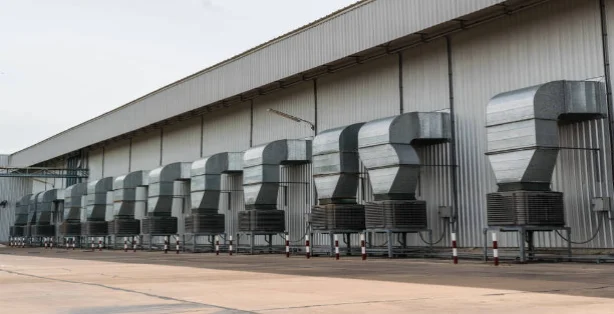
Относительная влажность играет ключевую роль в определении эффективности испарительных воздушных охлаждателей. Когда уровни влажности высоки, воздух’ уменьшается способность поглощать дополнительную влагу, что непосредственно влияет на потенциал охлаждения этих систем.
Для профессионалов, ищущих эффективные решения для охлаждения, особенно в промышленных или полуоткрытых условиях, понимание этой связи имеет важное значение для достижения оптимальной производительности.
Принципы испарного охлаждения
Как испарительные воздушные охлаждатели снижают температуру
Выпарочные воздушные охлаждатели Работа основана на базовой, но сильной идее: охлаждающая сила от превращения воды в пар. Теплый внешний воздух перемещается через влажные подушки. Затем вода превращается в пар в воздушном потоке. Это принимает тепло и падает воздух’ с теплом. Эксперты называют это адиабатическим охлаждением. Это экономит энергию и пропускает вредные химические вещества.
Главная часть зависит от того, сколько влаги может удерживать воздух. Сухой воздух поглощает больше воды. Так, он вытягивает больше тепла из вокруг него. That’ Почему эти охлаждатели хорошо подходят в местах с малой влажностью в воздухе. Низкая влажность делает их блестящими.
Роль условий окружающей среды в эффективности охлаждения
Внешний уровень тепла и влаги объединяются, чтобы определить, как быстро вода испаряется. Более жаркая погода часто ускоряет переход на пар. Но это верно, если воздух’ t уже полный влаги. В сухих местах низкая влажность означает, что воздух может захватить много воды. Это увеличивает мощность охлаждения до максимума.
С другой стороны, влажные районы ограничивают вещи. Воздух уже содержит много влаги. Так, это может’ t принять гораздо больше. Это уменьшает, насколько хорошо работают испаряющиеся воздушные охлаждатели. Вы должны думать об этом при подборе оборудования для различных мест.
Относительная влажность и ее влияние на производительность
Как уровень влажности влияет на скорость испарения
Относительная влажность, или RH, играет большую роль в том, как хорошо работают испаряющиеся воздушные охлаждатели. Когда RH достигает 70% или выше, охлаждение сильно снижается. Воздух просто может’ t захватить дополнительную влагу. Но если RH остается ниже 50%, пар быстро образуется. Это приводит к большему падению тепла.
Это’ Почему RH так важно для проверки того, подходит ли охлаждатель к месту. Например:
| Относительная влажность | Эффективность охлаждения |
| < 30% | Отлично |
| 30 - 50% | Хорошо |
| 50 - 70% | Умеренный |
| > 70% | Бедные |
Изменяемость производительности в разных климатах
Технология испарного охлаждения Делает все возможное на сухих, голых землях. Представьте внутренние пустыни или высокие места. Там RH часто падает ниже 30%. Такие настройки позволяют пару полностью образоваться. Охлаждение происходит плавно.
Но тропические или пляжные районы вызывают постоянные проблемы с влажностью. Там подразделения борются за значительно более низкие температуры. Кроме того, изменения погоды могут сменить RH в одном месте. Это приводит к результатам вверх и вниз в течение месяцев.
Практическое применение и экологические соображения
Соответствование охлаждающих решений климатическим условиям
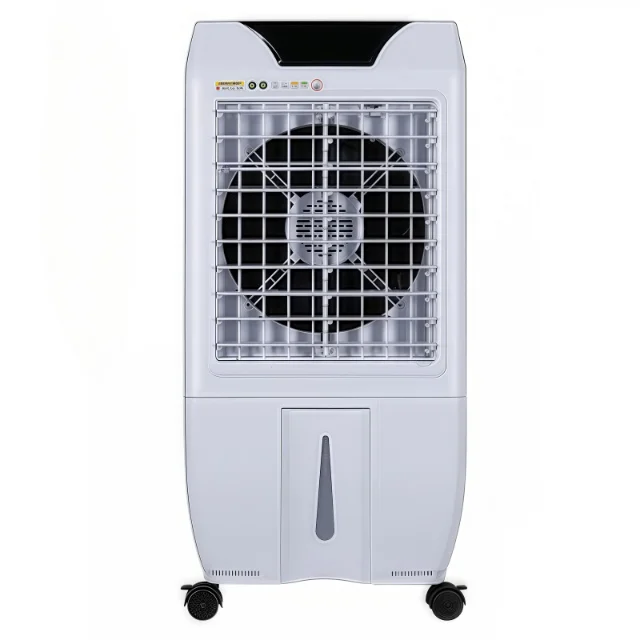
Выбирайте охлаждающее устройство с осторожностью, в основном для фабричных или открытых мест. Соответствуйте оборудованию местным погодным фактам. В местах, где влага сильно колебается, смешивайте испарительный с охлаждением машины. Это обеспечивает стабильную работу и экономит энергию.
Для фабричного использования, индивидуальные подходы являются ключевыми. Большие комнаты с непрерывным теплом требуют твердого потока воздуха. Они также требуют стабильного контроля температуры. Все это должно справляться с изменениями влаги день за днем и год за годом.
Оптимизация конструкции системы для влажных сред
Испарочное охлаждение является’ Отлично в влажной погоде. Тем не менее, некоторые умные исправления могут расширить его использование:
Повышать поток воздуха, чтобы ускорить пар, двигая воздух быстрее.
Поставьте блоки близко к вентиляционным отверстиям или входам воздуха. Это способствует плавному циклу воздуха.
Добавьте шаги, чтобы сначала охладить или высушить воздух. Эти помогают, когда RH’ t слишком плохо.
Такие трюки делают испарительные охлаждатели полезными в местах, которые просто немного влажны.
Метрики производительности и методы оценки
Ключевые показатели эффективности охлаждения при различных уровнях влажности
Чтобы проверить, как испарительный охлаждатель будет обрабатывать определенные настройки, посмотрите на несколько основных признаков:
Депрессия мокрой лампочки: этот разрыв между сухой и мокрой температурами показывает максимально возможное охлаждение.
Тенденции внешней влажности: следите за изменениями влажности. Это помогает определить, когда производительность будет расти или падать.
Потребление энергии на степень охлаждения: это число показывает, насколько хорошо система работает в различных случаях влаги.
Поймите эти знаки. Затем настройте параметры передачи. План исправляется заранее.
Инструменты и технологии мониторинга условий
Сегодня’ Испарительные охлаждатели часто встроены в датчики. Они смотрят данные погоды в прямом эфире, такие как RH, тепло и скорость воздуха. Умные элементы управления принимают эту информацию. Они меняют скорость вентилятора и поток воды в полете. Это настраивает вещи для лучших результатов.
Логеры сохраняют данные в течение недель или месяцев. Это позволяет пятнам изучать модели в долгосрочной перспективе. Оттуда они обнаруживают тенденции. И они вносят изменения, чтобы стимулировать работу и длиться дольше.
Инженерные решения от экспертов отрасли
Проектирование для промышленных масштабных приложений с ограничениями влажности
Огромные фабричные пятна создают сложные проблемы для охлаждения на фоне изменения влаги. Места с большой тепловой мощностью требуют жестких настроек. Они должны хорошо держаться.
Вентиляция DAIHO Предоставляет полные системы. Они обрабатывают поток воздуха с энергосберегающим охлаждением. Они работают даже в жестких внешних установках. Пользовательские планы обеспечивают стабильный прохладный воздух на широких площадях. Независимо от внешней влажности.
Использование опыта для оптимизации системы
Профессиональная проверка стоит много при сопоставлении более прохладных спецификаций с сайтом’ с потребностями. DAIHO Ventilation знает промышленный поток воздуха изнутри. Они дают индивидуальные советы, которые охватывают колебания влаги и повседневную работу. Выберите команды с реальными знаниями. Это держит правила под контролем. И он достигает долгосрочных целей.
Будущие тенденции в технологиях испарного охлаждения
Инновации для решения ограничений влажности
Новые исследования сохраняют пределы испытаний для испарительных охлаждателей во всех видах влаги:
Свежая подушка держит пар сильным даже при хорошей RH.
Двухступенчатые системы не смешивают влажного и влажного охлаждения. Они’ Больше появляется в деловых местах.
Ссылка на солнечные панели или ветровую энергию сокращает затраты. Это также способствует зеленым путям.
Эти новые идеи помогают испарительному охлаждению подходить для большего количества погодных условий.
Роль интеграции данных в адаптационности системы
Гаджеты, подключенные к Интернету, помогают предсказать потребности в охлаждении. Они используют предстоящие прогнозы влажности. Умные настройки настраивают вещи до того, как произойдут изменения. DAIHO Ventilation добавляет умные технологии к своему оборудованию. Это удовлетворяет растущие заводские желания хорошо. С помощью часов из удаленных инструментов боссы получают больше свободы. Они быстрее реагируют на изменения погоды.
Часто задаваемые вопросы
Q1: Работает ли испарительное охлаждение в влажном климате?
Испарочное охлаждение становится менее эффективным по мере повышения влажности; Лучше всего работает в сухих условиях.
Q2: Каков идеальный уровень влажности для испарительных воздушных охлаждателей?
RH ниже 50% идеально подходит для максимальной эффективности.
Q3: Могут ли испарительные охлаждатели использоваться в помещении?
Да, но они требуют хорошей вентиляции, чтобы избежать избыточного накопления влажности в помещении.
Q4: Как я контролирую производительность в меняющейся погоде?
Используйте умные датчики и регистраторы данных для отслеживания RH, температуры и выхода системы.
Q5: Что делает системы вентиляции DAIHO разными?
Они предлагают индивидуальные решения для потока воздуха, которые поддерживают энергоэффективность даже в условиях переменной влажности.
 English
  Russian
  Arabic
  Spanish
  French
  Italian