

How Do Industrial Dehumidifiers Work: Complete Guide for 2026
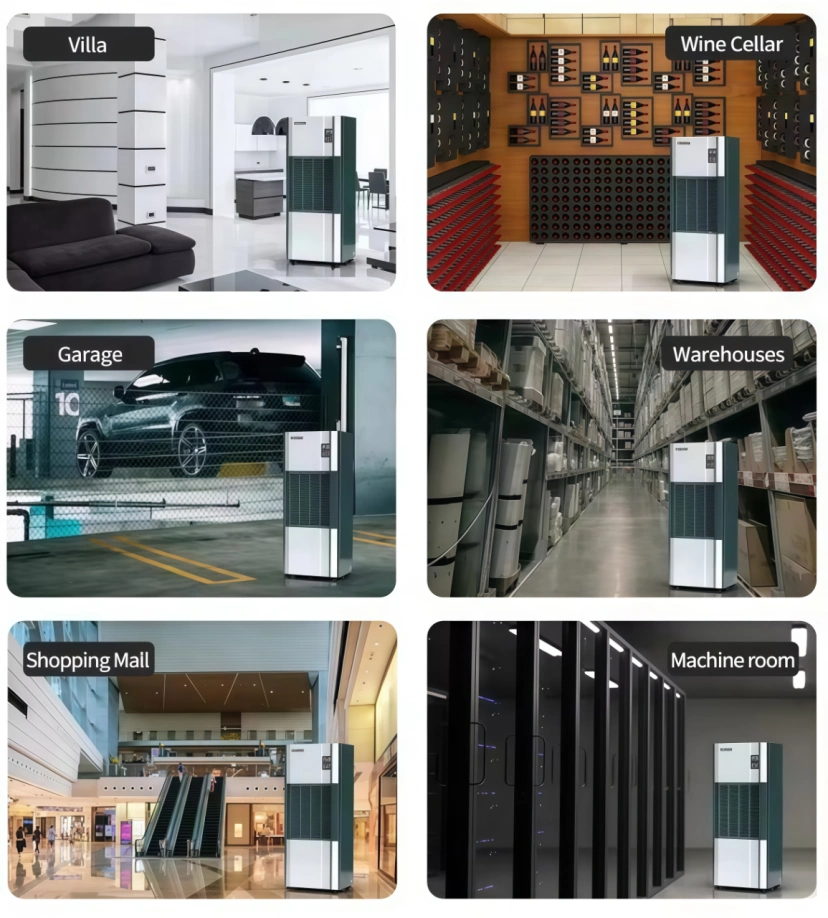
Humidity control in industrial environments is not only about comfort—it directly affects safety, operational efficiency, and production accuracy. Industrial dehumidifiers help maintain stable production lines, protect storage areas, and extend equipment lifespan. Understanding their operating principles and upcoming trends for 2026 helps facility managers make informed purchasing decisions.
Understanding Industrial Dehumidifiers
The Purpose of Industrial Dehumidifiers
An industrial dehumidifier is designed to control humidity levels in large facilities such as factories, warehouses, and production halls. These systems prevent problems caused by excessive moisture, including mold growth, corrosion, and product damage. In business places, keeping damp under control is key not only for clean air but also for guarding delicate stuff and gadgets that can wear out in moist spots.
Common Applications of Industrial Dehumidifiers
Industrial dehumidifiers are widely used in:
Storage buildings holding basic items or ready products.
Manufacturing facilities requiring stable humidity levels for consistent production quality.
Keeping spots where item quality has to stay the same.
A large space dehumidifier makes sure relative humidity remains within controlled and safe limits. It cuts the chance of water drops on machines or building parts. For firms dealing with drugs, food items, or tech gear, a commercial dehumidifier turns into a must-have for daily work rather than something extra.
Types of Industrial Dehumidifiers
Refrigerant-Based Dehumidifiers
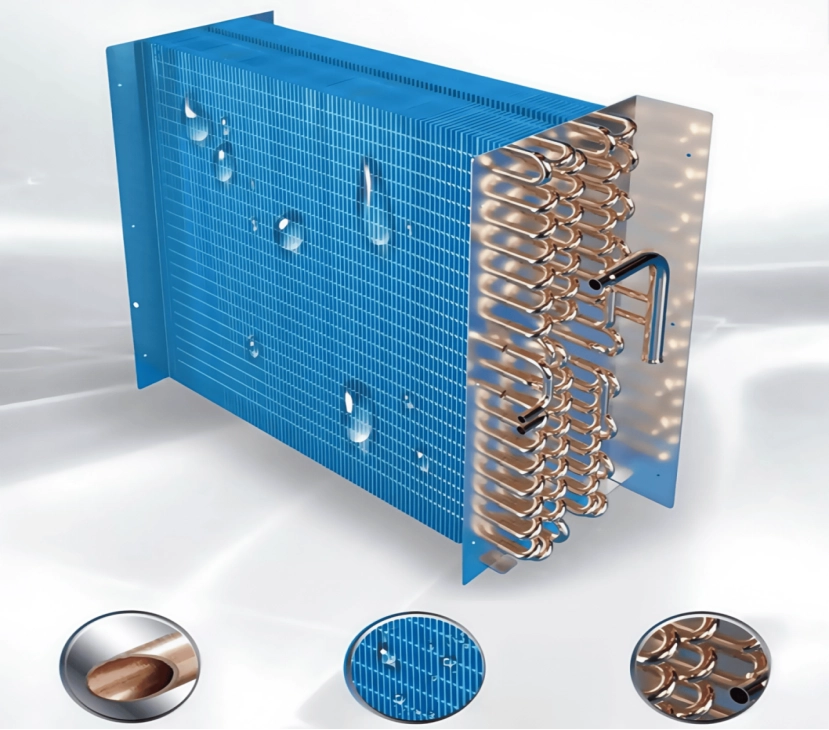
Refrigerant-based units pull in wet air over cold evaporator coils.. As the air gets cold, water vapor condenses turns to liquid and flows off. This kind works well in spots with normal to warm temps—think packing zones or shipping hubs where room heat stays even. They often save power when it’s warm but do less good in cold areas.
Сушитель Обвлажнители
Desiccant dehumidifiers use a material that soaks up damp (often silica gel) to grab wetness from the air. They are particularly effective in low-temperature environments. like cold keeping rooms or special work tasks like making lithium batteries. Since they don’t need cooling steps, desiccant setups keep up their work even when room temps fall below 10°C.
How Industrial Dehumidifiers Work
The Mechanism of Moisture Removal
At their heart, all промышленный обезвлажнительs follow a basic loop: pull in → take out → push out. Air comes in through a pulling fan and goes over pipes or turning wheels where damp gets pulled. The dry air then gets warmed a bit before going back out. Parts like fans make sure air moves steady; pipes and pumps deal with water drops; screens keep air clean.
Here’s a simple look:
| Component | Функция |
| Fan | Draws humid air into the system |
| Coil/Desiccant | Extracts moisture from the air |
| Компрессор | Supports cooling cycle (in refrigerant types) |
| Drain System | Removes collected water |
| Control Unit | Adjusts humidity levels automatically |
Соображения в области энергоэффективности
Power saving depends on things like room size, goal damp level, and working temp. Oversized units waste energy, while undersized systems may operate continuously without achieving target humidity levels. Picking the right size gives even work and cuts running costs. Lots of new models now have changing-speed fans and smart sensors to tweak power use on the fly—and this trend should grow up to 2026.
Benefits of Using Industrial Dehumidifiers
Protection Against Mold and Mildew
By holding relative humidity under 60%, industrial dehumidifiers greatly cut mold growth risks. This protects stored goods and creates a healthier working environment for employees. In food making zones especially, stopping mold guards health rules and company name.
Enhancing Equipment Performance and Longevity
Damp can lead to rust on metal bits and power fails in control boards. Steady damp control stops rust on tools and machine surfaces. It stretches their life and cuts fix time. Over time, this results in significant cost savings for large facilities.
Key Considerations When Choosing an Industrial Dehumidifier
Assessing Space Requirements
Before selecting a system, it’s important to know the size and setup of the area needing dry air. Things like roof height, air flow way, wall padding quality, and heat spots all affect which model will do best. A large space dehumidifier must get set right to skip uneven drying or spot damp areas.
Evaluating Capacity and Performance Features
Capacity is often measured in liters or pints per day—the water amount pulled from air in 24 hours. To find the right size:
• Figure total space volume (length × width × height).
• Estimate the average moisture load based on task level.
• Pick a model rated a bit over figured need for some extra room.
Extra bits worth looking at include far-off watching setups or settable options that let auto changes during quiet hours—handy for spots running all day and night.
DAIHO Ventilation, an established manufacturer specializing in industrial ventilation and cooling solutions, integrates these intelligent control features into its industrial dehumidifier range to improve energy management across complex facilities.
Innovations in Industrial Dehumidification for 2026
Technological Advancements in Design
The coming batch of industrial dehumidifiers will lean hard on auto runs and green ways. Smart tech lets real-time watching through IoT spots so workers can check damp info from phones or building screens. At the same time, nature-friendly coolants are taking over old chemical mixes to cut harm to the world—an key move toward cleaner making ways.
Advanced Industrial Solutions from DAIHO Ventilation
Вентиляция DAIHO has been developing advanced systems using recyclable materials and optimized airflow design aimed at achieving higher drying efficiency with lower carbon output—reflecting broader industry trends toward sustainable engineering.
Trends Shaping the Future of Industrial Dehumidification
Looking to 2026:
Need for power-saving models will keep going up as power bills rise.
Linking with building control setups (BMS) will turn into normal stuff.
Predictive maintenance systems will spot work drops before breaks happen.
Mixed designs blending refrigerant and desiccant tech may lead in tough sectors needing all-year steadiness.
These new ideas show a change toward smarter air control plans that go past just pulling damp—making full changing setups inside work spots.
Часто задаваемые вопросы
Q: What’s the difference between commercial and industrial dehumidifiers?
Commercial units suit medium-sized spaces like offices or retail stores; industrial ones handle larger volumes with higher durability requirements.
Q: How often should an industrial dehumidifier be serviced?
Typically every six months for filter changes and coil cleaning; more frequently in dusty environments.
Q: Can I use one unit for multiple connected rooms?
Yes, if airflow distribution is well-planned—but ducting design must ensure even coverage across zones.
Q: Are desiccant models more expensive to run?
They can consume more power initially but perform better at low temperatures where refrigerant types lose efficiency.
Q: What’s new about 2026 models?
Expect smarter sensors, cloud-based monitoring options, eco-friendly refrigerants, and improved integration with automated building systems—all focused on reducing energy waste while improving reliability.
 English
  Russian
  Arabic
  Spanish
  French
  Italian