

Настенный вытяжной вентилятор против потолочного вытяжного вентилятора: какой лучше для вентиляции на заводе?
На первый взгляд, решения по вентиляции на заводе могут показаться простыми. Необходимо удалять горячий воздух, поэтому следует установить вытяжной вентилятор. На практике же место установки влияет на поведение здания.
Настенный вытяжной вентилятор перемещает воздух по помещению и хорошо работает при наличии достаточного приточного воздуха. Потолочный вытяжной вентилятор удаляет тепло, которое уже поднялось и скопилось у потолка. Оба типа вентиляторов перемещают большие объемы воздуха и решают разные задачи вентиляции.
Правильный выбор зависит от расположения источников тепла, точек притока свежего воздуха, высоты потолка и условий, которые работники ощущают непосредственно на уровне пола.
Что такое настенный вытяжной вентилятор?
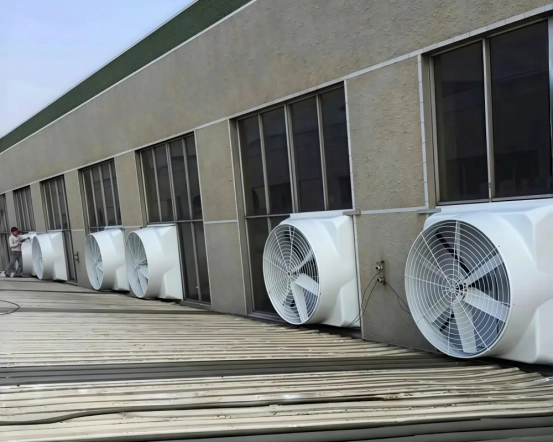
А настенный вытяжной вентилятор Вентилятор устанавливается через внешнюю стену и выталкивает воздух в стороны. В промышленных зданиях такие вентиляторы часто располагаются вдоль одной стороны цеха. Двери, жалюзи, окна или охлаждающие панели — с противоположной стороны для подачи приточного воздуха.
Такая компоновка распространена в мастерских, складах, сельскохозяйственных постройках и производственных помещениях. Важным моментом является путь воздушного потока. Вентилятор большой мощности малоэффективен, если приток замещающего воздуха происходит рядом с ним и происходит обратное замыкание.
Основные преимущества настенных вытяжных вентиляторов
Настенные блоки обычно проще в установке. Кроме того, до них легко добраться во время обслуживания. Ремни, жалюзи, двигатели, защитные кожухи и подшипники требуют регулярной проверки. Большинство ремонтных бригад предпочитают оборудование, которое не требует доступа на крышу.
Эти вентиляторы эффективно работают в условиях отрицательного давления при вентиляции. Вытяжные вентиляторы могут располагаться вдоль одной стены, а охлаждающие панели или приточные жалюзи — на противоположной. Это обеспечивает приток воздуха в рабочее пространство. Для целенаправленного удаления тепла, запахов или влаги настенные вытяжные вентиляторы часто являются практичным решением.
Что такое кровельный вытяжной вентилятор?
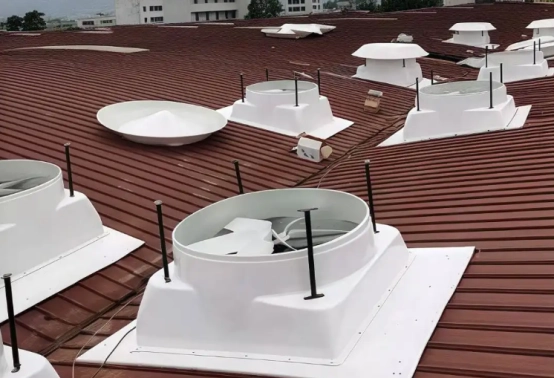
А вентилятор вытяжной крыши Устанавливается на крыше и отводит воздух вертикально. Его естественное преимущество – расположение: горячий воздух поднимается вверх.
На заводах с высокими потолками, сварочными линиями, печами, формовочными машинами, компрессорами или распределенными источниками тепла слой воздуха у крыши может значительно нагреваться по сравнению с рабочей зоной. Вытяжные вентиляторы на крыше удаляют это накопленное тепло, прежде чем оно останется запертым под конструкцией.
Они также полезны в больших помещениях, где наружные стены расположены слишком далеко, чтобы эффективно влиять на циркуляцию воздуха в производственной зоне.
Основные преимущества кровельных вытяжных вентиляторов
Эффективность кровельных вытяжных вентиляторов в зданиях с термической стратификацией. Когда теплый воздух уже скапливается под крышей, целесообразно отводить его из самой высокой точки.
Они также оставляют свободное пространство на стенах для погрузочных дверей, вентиляционных решеток или производственного оборудования.
Компромисс заключается в установке. При монтаже кровельных блоков требуется больше внимания к конструкции, гидроизоляции, безопасному доступу для обслуживания и расположению вокруг световых люков.
Настенный вытяжной вентилятор против потолочного вытяжного вентилятора: основные различия.
Разница заключается не только в горизонтальном или вертикальном направлении выброса воздуха. Важно то, как каждый вентилятор отводит тепло и влияет на характер и интенсивность воздушного потока внутри цеха.
| Фактор | Настенный вытяжной вентилятор | Вытяжной вентилятор на крыше |
| Место установки | Внешняя стена | Крыша |
| Направление потока воздуха | Горизонтальный | Вертикальный |
| Лучше всего подходит для | Системы локализованной вентиляции и создания отрицательного давления | Удаление поднимающегося горячего воздуха |
| Сложности при установке | В целом проще | Обычно более сложные |
| Доступ для технического обслуживания | Полегче | Может потребоваться доступ на крышу. |
| Пространство между стенами/крышами | Требуется место на внешней стене. | Требуется подходящая конструкция крыши. |
| Отвод тепла | Хорошо | Эффективен против накопления тепла в потолке. |
| Типичные области применения | Мастерские, склады, сельское хозяйство | Крупные заводы, здания с высокими потолками |
Настенный вытяжной вентилятор, как правило, оказывает более непосредственное воздействие на находящееся в помещении, поскольку он направляет поток воздуха на рабочих и оборудование. Потолочный вентилятор часто лучше справляется с контролем горячего верхнего слоя воздуха.
Возьмем, к примеру, цех по изготовлению металлоконструкций с крышей высотой 7 метров и сварочными станциями вдоль одной стороны. Настенных вентиляторов рядом с этой зоной может быть достаточно. В логистическом здании высотой 12 метров, где тепло распределяется по всей крыше, более целесообразно использовать вытяжную вентиляцию с крыши.
Неправильное размещение может привести к разочарованию в любой из этих систем.
В каких случаях следует выбирать настенный вытяжной вентилятор?
Выбирайте настенный вытяжной вентилятор, если здание имеет пригодные для использования наружные стены, и главная цель — создание циркуляции воздуха в рабочей зоне, где находятся люди.
Это практичный выбор для систем вентиляции с отрицательным давлением, особенно когда свежий воздух поступает с противоположной стороны через жалюзи, открытые двери или испарительные охлаждающие панели.
Операторы могут регулировать направление воздушного потока. Настенные вентиляторы также подходят для помещений, где важен быстрый доступ для технического обслуживания. Они хорошо работают вблизи источников тепла или влаги.
В каких случаях следует выбирать вытяжной вентилятор для крыши?
Вентилятор, устанавливаемый на крыше, обычно лучше подходит в тех случаях, когда тепло скапливается высоко над производственным цехом.
Типичным примером являются высотные склады. Утром условия на уровне пола могут быть приемлемыми, но к середине дня конструкция крыши и скопившийся горячий воздух могут привести к значительному накоплению тепла. Вытяжка с крыши уменьшает этот резервуар.
Вентиляторы на крыше также полезны в местах с ограниченным пространством на стенах, например, на погрузочных площадках, стеллажах или в офисах.
Однако вытяжные вентиляторы на крыше не являются полным решением проблемы недостаточной циркуляции воздуха на уровне рабочих мест. Если операторы жалуются на застой воздуха вокруг рабочих мест, одной лишь вытяжки на крыше может быть недостаточно для создания достаточной скорости воздушного потока там, где находятся люди.
Можно ли использовать настенные и потолочные вытяжные вентиляторы одновременно?
Да. На некоторых крупных заводах сочетание обеих систем может обеспечить более эффективную стратегию вентиляции.
Настенные вентиляторы создают горизонтальный поток воздуха в производственных помещениях, а потолочные вентиляторы отводят тепло, накопившееся в верхних ярусах. Свежий воздух может поступать через жалюзи или охлаждающие панели с противоположной стороны.
Следует помнить об одном важном моменте: добавление дополнительных вытяжных вентиляторов без проверки приточной вентиляции может создать чрезмерное отрицательное давление. Двери станет трудно открывать, поток воздуха сократится, а производительность вентиляторов снизится.
Количество вентиляторов, производительность по воздушному потоку, площадь входного отверстия и их размещение следует рассматривать как единую систему.
Как выбрать подходящий вытяжной вентилятор для вашего завода
Начните с самого здания, а не со списка продукции. Изучите площадь пола, высоту потолков, источники тепла, рабочие зоны, доступные вентиляционные отверстия, материалы стен и крыши, а также фактический путь движения воздуха. Необходимый поток воздуха и количество воздухообменов в час остаются важными. Однако одних этих значений недостаточно, чтобы показать, как воздух будет фактически перемещаться по зданию.
На заводе может быть достигнут расчетный целевой показатель воздухообмена, но при этом оставаться «мертвые зоны».
Доступ для технического обслуживания, защита от дождя, коррозионная стойкость, пылеобразование, эффективность двигателя и уровень шума также имеют значение. В жарком и влажном климате вентиляция может потребовать совместной работы с испарительным охлаждением, а не просто увеличения мощности вытяжной вентиляции.
Чертеж компоновки зачастую выявляет проблемы быстрее, чем сравнение размеров вентиляторов в другом месте.
Заключение — Что лучше для вашего завода?
Для сквозной вентиляции, локальной вытяжки и систем с отрицательным давлением настенный вытяжной вентилятор обычно является более экологичным решением. Его проще устанавливать, обслуживать, а поток воздуха можно направлять в зоны, где находятся люди.
Для производственных помещений с высокими потолками и значительной тепловой стратификацией вытяжной вентилятор на крыше имеет явное преимущество, поскольку он удаляет горячий воздух из зоны его естественного скопления. В некоторых зданиях необходимы оба типа вентиляторов. Это не является излишним усложнением, поскольку каждый вентилятор выполняет свою задачу.
Компания DAIHO Ventilation предоставляет следующие услуги: промышленные вытяжные вентиляторы а также индивидуальные решения по вентиляции и охлаждению для заводов, складов, сельскохозяйственных объектов и других промышленных предприятий.
Свяжитесь с нашей командой чтобы определить подходящий тип вентилятора, производительность по воздухопроницаемости и схему вентиляции для вашего объекта.
Часто задаваемые вопросы
Вопрос: Лучше ли потолочный вытяжной вентилятор, чем настенный?
Не на каждом заводе. Вытяжные вентиляторы на крыше лучше справляются с удалением горячего воздуха, скапливающегося у потолка. Настенные вытяжные вентиляторы часто лучше подходят для сквозной вентиляции, локального отвода воздуха и создания отрицательного давления.
Вопрос: Где следует устанавливать вытяжные вентиляторы на заводе?
Их следует располагать таким образом, чтобы воздух проходил через проблемную зону, прежде чем покинуть здание. Вытяжные отверстия вблизи источников тепла, влаги, испарений или зон застоя обычно работают лучше, чем вентиляторы, размещенные только там, где это удобно.
Вопрос: Могут ли настенные вытяжные вентиляторы охлаждать завод?
Они могут уменьшить накопление тепла за счет увеличения воздухообмена, но не охлаждают воздух. В очень жарких условиях вытяжная вентиляция может потребоваться в сочетании с испарительным охлаждением, кондиционированием воздуха или высокопроизводительными циркуляционными вентиляторами.
Вопрос: Могут ли настенные и кровельные вытяжные вентиляторы работать одновременно?
Да. Такое сочетание может хорошо работать в больших цехах или цехах с высокими потолками, когда настенные вентиляторы перемещают воздух через рабочую зону, а потолочные вентиляторы отводят накопившееся тепло с верхних этажей.
 English
  Russian
  Arabic
  Spanish
  French
  Italian