

Как выбрать промышленный испарительный вентилятор для заводов и складов
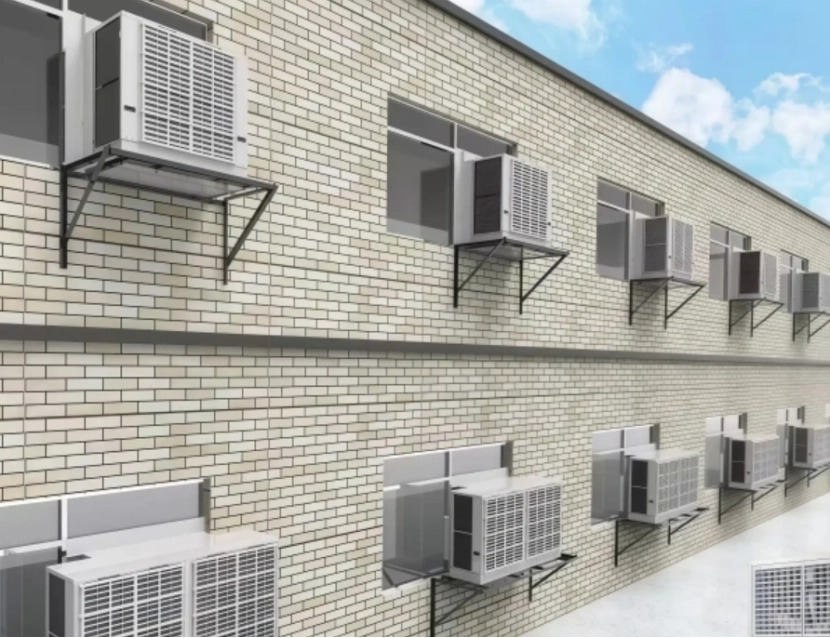
Выбор правильной системы охлаждения для огромного производственного цеха — это не просто выбор самого большого вентилятора. Это понимание того, как вода и воздух взаимодействуют, отводя тепло из помещения. На крупных предприятиях традиционное кондиционирование воздуха становится чрезвычайно дорогостоящим из-за большого объема воздуха, который необходимо обрабатывать.
Как фазовый переход воды понижает температуру окружающей среды
Испарочное охлаждение Этот метод работает, потому что воде необходима энергия для превращения из жидкого состояния в газообразное. Эта энергия забирается из окружающего воздуха в виде тепла. Это естественный процесс, но в промышленных условиях он значительно масштабируется. В этом режиме охлаждения в качестве охлаждающей среды используется испарительная водяная завеса большого объема. В отличие от традиционных систем отопления, вентиляции и кондиционирования воздуха, этот процесс обеспечивает обмен тепловой энергией без мощных компрессоров, что значительно снижает потребление электроэнергии.
Однако производительность системы зависит от эффективности охлаждающей среды; если охлаждающие элементы недостаточно увлажнены или поток воздуха слишком быстрый, чтобы впитывать влагу, эффективность охлаждения снизится. Это тонкий баланс между потоком воды и потоком воздуха.
Оценка архитектуры интегрированной системы охлаждения с вентилятором.
В высотных промышленных зданиях или больших складских помещениях раздельная установка насосов, водяных охладителей и вентиляторов часто приводит к нестабильной работе. Интегрированный вентилятор охлаждения решает эту проблему, объединяя все компоненты в одном, специально разработанном блоке.
Почему интегрированные решения превосходят модульные в высотных зданиях?
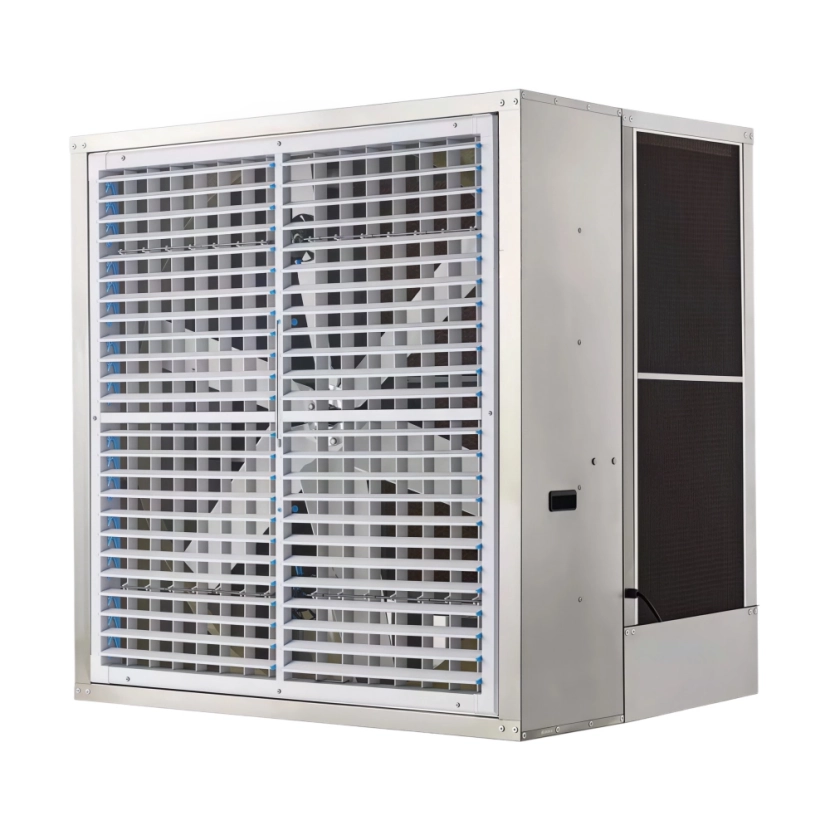
В встроенный вентилятор охлаждения Это новая система охлаждения для больших и высотных зданий. В таких сооружениях пространство ограничено, а установка отдельных компонентов представляет собой логистический кошмар. В герметичном корпусе мощный вентилятор забирает воздух через охлаждающие элементы и подает его в помещение для обеспечения вентиляции и охлаждения.
Благодаря оптимизированному потоку воздуха внутри герметичного заводского корпуса, потери статического давления значительно меньше, чем при самостоятельной установке. Это также облегчает работу ремонтных бригад — расположение насоса и элементов управления в одном месте значительно ускоряет проведение ежеквартальных проверок.
Целостность материалов: гребные винты из нержавеющей стали и стекловолокна.
На заводах оборудование работает в суровых условиях. Если рама вентилятора начинает ржаветь, весь агрегат в конечном итоге выходит из строя из-за вибрации. Именно поэтому рама из нержавеющей стали с длительным сроком службы является стандартным требованием для тех, кто планирует долгосрочное использование. Пропеллер — еще один важный момент. Пропеллер из стекловолокна, обладающий коррозионной стойкостью, гораздо лучше справляется с высокой влажностью, чем алюминиевый или оцинкованный стальной. Электрические характеристики также имеют решающее значение.
Класс изоляции двигателя F, уровень защиты IP55 — это, по сути, базовый уровень для работы во влажной, пыльной промышленной среде. Всё, что ниже этого уровня, — это верный путь к короткому замыканию во время жары.
Ключевые показатели эффективности, выходящие за рамки объема воздушного потока.
Показатель расхода воздуха (CFM) является наиболее часто упоминаемым, но он не отражает всей картины. Высокий расход воздуха сам по себе не сможет охладить помещение, если испарение происходит неэффективно.
Оценка плотности и толщины охлаждающей подушки
Охлаждающая подставка — это сердце системы. В большинстве высококачественных моделей используется трехсторонняя охлаждающая подставка типа 5090 толщиной 100 мм. Геометрия подставки 5090 разработана для максимального увеличения площади контакта с водой при минимизации сопротивления воздушному потоку для вентилятора.
Трехсторонний воздухозаборник позволяет устройству забирать воздух с меньшей скоростью. Это важно, поскольку чрезмерная скорость забора воздуха может смыть капли воды с поверхности подушки и внести влагу в рабочее пространство, что нежелательно для производственных помещений, где находится оборудование.
Эффективность двигателей и переход к технологиям электронного управления
Электродвигатели значительно усовершенствовались. Хотя стандартные двигатели переменного тока надежны, вентиляторы теперь оснащаются двигателями с электронным управлением (EC). Двигатели с электронным управлением (EC) обеспечивают плавную регулировку скорости вращения вентилятора, что делает их очень эффективными. Если завод работает не на полную мощность или утренний воздух еще прохладный, работа на полной скорости не требуется. Снижение скорости даже на 20% может сократить потребление электроэнергии почти вдвое. Кроме того, двигатели EC работают с меньшим нагревом, а значит, не выделяют дополнительное тепло в охлаждаемый воздух.
Стратегическое размещение для оптимального распределения воздуха.
Мы видели, как отличные вентиляторы выходили из строя из-за того, что их устанавливали таким образом, что они просто рециркулировали влажный воздух. Для удаления застоявшегося воздуха необходимы надлежащие вытяжные каналы.
Управление воздушным потоком в герметичных и полуоткрытых помещениях
Испарительное охлаждение отличается от кондиционера с замкнутым контуром. Оно требует динамики воздушного потока по принципу «тяни-толкай». В производственных или складских помещениях проблемы вентиляции необходимо решать, обеспечивая достаточное количество вытяжных отверстий по всему пространству. Расчет скорости воздухообмена — количества циклов замены воздуха в час — имеет важное значение для предотвращения перегрева и застоя воздуха.
Полезность автоматических жалюзи и регулируемых ставней
Застой воздуха — враг. Автоматические заслонки с регулируемым вертикальным и горизонтальным поворотом помогают направлять воздух в труднодоступные углы за стеллажами или крупным оборудованием. Когда система выключена, эти автоматические заслонки плотно закрываются, предотвращая скопление птиц и пыли внутри охлаждающих панелей. Это простая функция, которая значительно экономит время на уборку.
Требования к безопасности эксплуатации и автоматизации
Система охлаждения не должна требовать постоянного присмотра. Чаще всего вентиляторы ломаются из-за того, что насос работает всухую, потому что кто-то забыл проверить водопровод. интегрированная система вентиляторов охлаждения Наличие встроенного водяного насоса и защиты от нехватки воды является обязательным условием. В случае прекращения подачи воды насос автоматически отключается. Такой уровень автоматизации необходим для крупных установок с множеством потолочных блоков.
Как условия окружающей среды влияют на ваш выбор?
Перед покупкой необходимо учесть климатические условия вашего региона. Испарительное охлаждение очень эффективно в сухую жару, но имеет ограничения в условиях высокой влажности на побережье. Ключевым показателем является «дельта» — разница температур между наружным воздухом и охлажденным воздухом после установки испарительных панелей.
На производственных площадках эти системы помогают отводить тепло, дым, отработанные газы и улучшать общее качество воздуха. Речь идёт не только о температуре, но и о качестве воздуха. Будь то животноводческие комплексы, сталкивающиеся с плохой вентиляцией и дефицитом кислорода, приводящим к накоплению вредных газов, или тепличные хозяйства, страдающие от неправильной вентиляции, цель состоит в обеспечении постоянного притока свежего и прохладного воздуха.
Свяжитесь с компанией DAIHO Ventilation Приглашаем вас сегодня обсудить требования вашего проекта и подобрать оптимальное решение по охлаждению и вентиляции для вашего объекта.
Часто задаваемые вопросы
В: В чём основное преимущество встроенного вентилятора охлаждения по сравнению со стандартным промышленным вентилятором?
Встроенный вентилятор охлаждения не просто перемещает воздух; он активно охлаждает его, используя воду в качестве охлаждающей среды. Поскольку насос и охлаждающие элементы встроены в один корпус, это гораздо эффективнее и проще в установке, чем отдельные компоненты.
В: Можно ли использовать эти вентиляторы во влажных помещениях?
Да, но снижение эффективности охлаждения будет меньше, чем в сухом климате. Однако даже во влажных районах высокообъемная вентиляция все равно значительно помогает, удаляя застоявшийся воздух и отработанные газы.
В: Как работает защита от нехватки воды?
Система контролирует уровень воды во внутреннем резервуаре. В случае перебоев в подаче воды система автоматически отключает насос, чтобы предотвратить его перегорание, при этом вентилятор продолжает обеспечивать вентиляцию.
В: Какое техническое обслуживание требуется для охлаждающих подставок 5090?
Необходимо проверять фильтрующие элементы на наличие минеральных отложений. Благодаря толщине 100 мм и трехстороннему всасыванию, система достаточно долговечна, но периодическое промывание помогает поддерживать максимальную эффективность испарения.
 English
  Russian
  Arabic
  Spanish
  French
  Italian