

Какой мощности промышленный воздухоохладитель мне нужен?
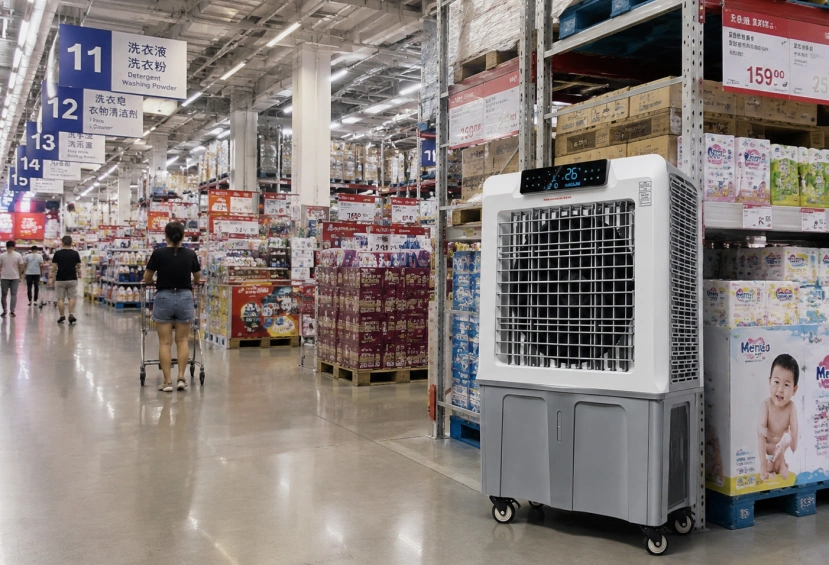
Стандартный воздухоохладитель значительно отличается от промышленного воздухоохладителя. Основные различия заключаются в размере и прочности. Промышленные модели работают непрерывно в суровых условиях. Они подвергаются воздействию большого количества пыли, экстремальных температур и постоянной вибрации.
Что такое промышленный воздухоохладитель и как он работает?
А промышленный воздухоохладитель В конструкции используются толстые влажные охлаждающие подушки. Горячий воздух проходит прямо через эти влажные подушки. Вода испаряется по мере прохождения воздуха через подушки. Этот естественный процесс мгновенно снижает температуру. Затем устройство подает свежий воздух в рабочую зону. Оно хорошо работает в сухом климате и на больших открытых пространствах. В этих охладителях используются естественные процессы вместо химических хладагентов. В результате они потребляют значительно меньше электроэнергии.
Почему важно выбрать правильный размер
При сравнении различных устройств ключевым показателем производительности является показатель CMH (количество воздуха, перемещаемого вентилятором за час). Он показывает точное количество воздуха, которое вентилятор перемещает за час. Чем выше показатель CMH, тем больше устройство может охлаждать большее пространство. Однако выбор правильного размера имеет важное значение. Выбор неправильного размера может привести к перерасходу энергии.
Небольшой охладитель работает с чрезмерной нагрузкой, чтобы достичь нужной температуры. В результате персонал чувствует жару и усталость. Оборудование на предприятии также может перегреваться. С другой стороны, гигантские системы потребляют много электроэнергии. Они увеличивают ежемесячные счета, не обеспечивая при этом дополнительного комфорта.
Факторы, определяющие правильный размер промышленного воздухоохладителя
Выбор оптимального оборудования начинается с замеров вашего здания.
Как рассчитать необходимую мощность системы охлаждения
Основное правило связывает общую площадь помещения со скоростью воздушного потока (в кубических метрах в час). Например, представьте себе магазин площадью 200 м² с потолком высотой 4 метра. Для этого помещения обычно требуется от 10 000 до 12 000 кубических метров в час. Окончательные потребности зависят от теплоизоляции стен и внутренних источников тепла.
Здания с тонкими стенами быстро теряют прохладный воздух. В помещениях с очень высокими потолками также необходим дополнительный приток воздуха для поддержания комфортной температуры. Крупногабаритная техника выделяет много дополнительного тепла. Эту тепловую нагрузку необходимо компенсировать с помощью более мощных систем охлаждения. Также можно разместить дополнительные вентиляторы в наиболее удобных местах в помещении.
Экологические и производственные аспекты
Внешние погодные условия и уровень влажности влияют на эффективность охлаждения. Во влажных помещениях машина работает менее эффективно, поскольку вода превращается в пар гораздо медленнее. В сухих местах охладитель работает невероятно хорошо. Тип вашего бизнеса также является важным фактором. Например, в цехах металлообработки в небольших помещениях создается очень высокая температура. В то же время, в обычных складских помещениях в основном необходима циркуляция свежего воздуха.
Какой мощности промышленный воздухоохладитель мне нужен для моего помещения?
Выбор оптимальной мощности предполагает учет реальных размеров помещения. Сосредоточьтесь на реальных условиях эксплуатации, а не на теоретических значениях.
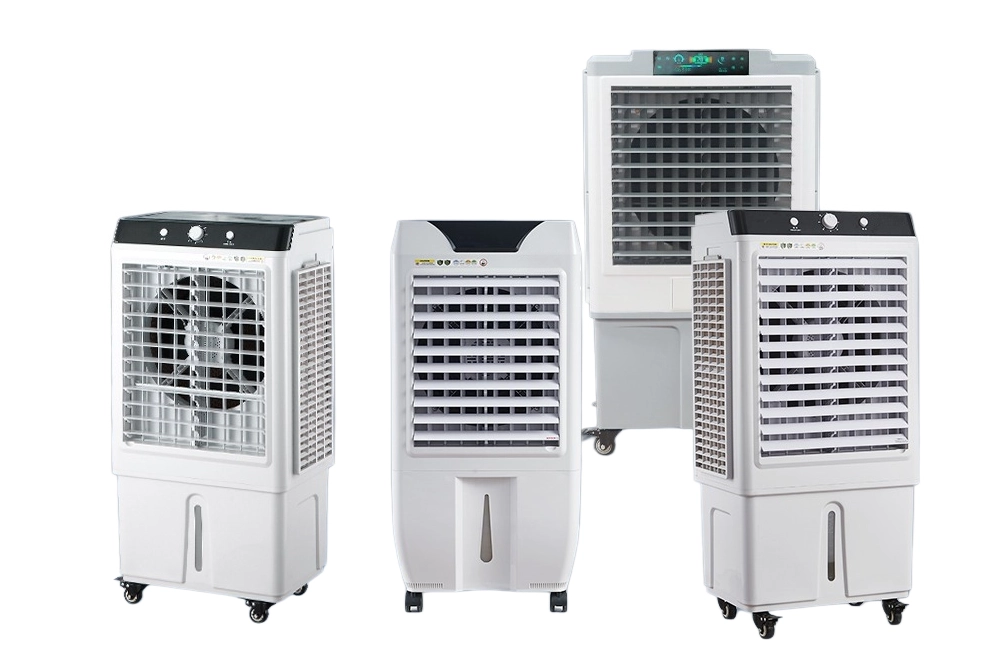
Небольшие гаражи и ремонтные мастерские (площадью до 100 м²) нуждаются в базовой мощности охлаждения. Устройства мощностью от 3000 до 6000 кубических метров в час обычно отлично справляются с этой задачей. К таким моделям относятся, например, вентиляторы DAIHO Ventilation. 5500 CMH цифровой дисплей управления охлаждение Здесь это хорошо подходит.
Обширные производственные цеха площадью более 200 квадратных метров часто требуют модульных установок — нескольких взаимосвязанных блоков, подающих воздух в вентиляционные сети для равномерного охлаждения. Централизованные испарительные системы могут беспрепятственно интегрироваться с существующими вытяжными вентиляторами для поддержания постоянной температуры окружающей среды даже в пиковые периоды работы.
| Размер помещения (м²) | Высота потолка | Рекомендуемый расход воздуха (см/ч) | Подходящее приложение |
| 10–20 | 2.5–3 | 3,000–5,000 | Небольшой офис, киоск, рабочее место |
| 20–35 | 2.5–3 | 5,000–6,000 | Небольшая мастерская, торговое помещение |
| 35–60 | 3–4 | 6,000–9,000 | Производственная зона, складская секция |
| 60–100 | 4–5 | 10,000–15,000 | Склад среднего размера, производственная линия |
| 100–200 | 5–6 | 15,000–25,000 | Большой цех, логистическая зона |
| 200+ | 6+ | Разработка индивидуальной системы | Заводские здания |
Как компания DAIHO Ventilation помогает вам выбрать подходящую модель вентиляции
Вентиляция DAIHOВ основе подхода нашей компании лежит инженерная точность, а не догадки. Наша команда проводит оценку объектов, анализируя динамику воздушных потоков и тепловые профили, прежде чем рекомендовать конфигурации оборудования, адаптированные к потребностям каждого объекта.
Инженеры компании DAIHO Ventilation оценивают геометрию здания, источники технологического тепла и ограничения вентиляции, чтобы обеспечить совместимость новых охладителей с существующей инфраструктурой. Эта консультация сводит к минимуму сложности при монтаже и максимизирует эффективность работы в долгосрочной перспективе.
Компания DAIHO Ventilation коммерческие воздухоохладители Оснащен цифровыми панелями управления, которые точно регулируют скорость вращения вентилятора и влажность. Оптимизированная технология управления двигателем значительно повышает энергоэффективность, поддерживая стабильное охлаждение и избегая чрезмерного потребления энергии.
Практические советы перед покупкой промышленного воздухоохладителя
Перед выбором модели, помимо основных технических характеристик, следует рассмотреть ключевые вопросы.
Вопросы, которые следует задать перед покупкой
Каков общий объем воздуха, нуждающегося в охлаждении? Есть ли локальные источники тепла, такие как печи или прямые солнечные лучи? Потребуется ли перемещение для смены места работы между рабочими зонами? Эти факторы влияют как на выбор модели, так и на решения по компоновке установки.
Вопросы технического обслуживания и долговечности
Эффективность испарительных охладителей зависит от качества воды и состояния фильтрующего элемента. Регулярная очистка предотвращает образование минеральных отложений, которые могут блокировать поток воздуха или вызывать неприятные запахи. Периодическая проверка двигателей вентиляторов продлевает срок службы и обеспечивает стабильный уровень производительности на протяжении многих лет эксплуатации. Правильно организованные дренажные системы уменьшают проблемы с образованием накипи внутри резервуаров или распределительных линий — небольшая деталь, которая существенно влияет на надежность в условиях непрерывной эксплуатации.
Повышение комфорта на рабочем месте с помощью эффективных решений по охлаждению
Система охлаждения на производстве делает больше, чем просто снижает температуру. Она создает безопасное пространство, где работники чувствуют себя комфортно и работают быстрее. Сотрудничество с опытным производителем, таким как DAIHO, приносит отличные результаты. Такая командная работа позволяет создать систему, которая делает помещение комфортным и одновременно экономит много электроэнергии.
Комплексный план от ведущего производителя решает эти проблемы. Он сочетает в себе мощное оборудование и интеллектуальную систему вентиляции помещения. Эти качества делают современные промышленные системы охладителей воздуха по-настоящему успешными.
Часто задаваемые вопросы
В: Как рассчитать необходимое количество CMH для моего предприятия?
Чтобы получить объем помещения (м³), умножьте площадь пола на высоту. Затем умножьте на коэффициент воздухообмена, рассчитанный с учетом уровня активности (20–30 для мастер-классов).
В: Могут ли промышленные воздухоохладители работать во влажном климате?
Они работают, но охлаждающая способность снижается во влажную погоду. Вода превращается в пар гораздо медленнее. Для достижения наилучших результатов могут потребоваться дополнительные вытяжные вентиляторы.
В: Какой график технического обслуживания рекомендуется?
В пик летнего сезона очищайте охлаждающие подставки ежемесячно. Проверяйте водяные насосы каждые три месяца. Если ваша мастерская сильно загрязнена, покупайте новые фильтры каждый год.
В: Подходят ли портативные модели для крупных заводов?
Подходит только для локального охлаждения вблизи оборудования или рабочих мест операторов; стационарные установки лучше подходят для охлаждения всей площади производственных цехов.
 English
  Russian
  Arabic
  Spanish
  French
  Italian