

Тепловое напряжение на заводе: 7 признаков того, что ваша вентиляционная система недоразмерена
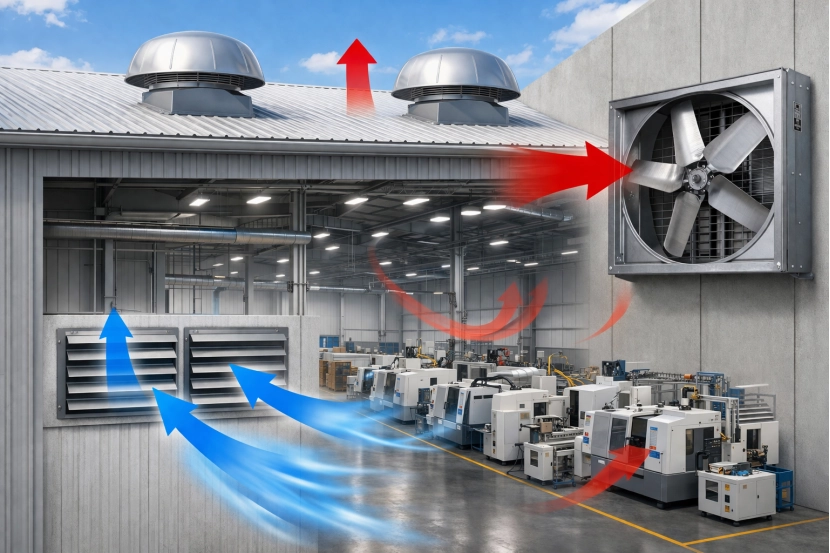
Заводы часто недооценивают воздействие тепла как на рабочих, так и на оборудование. Когда системы вентиляции недостаточны, выход падает, затраты на электроэнергию растут, а опасности растут. Поймание следов неадекватной промышленной вентиляции на раннем этапе может предотвратить длительные повреждения и дорогостоящие простои.
Что вызывает тепловый стресс в промышленной среде
Высокая влажность, непрерывная работа машин и недостаточный поток воздуха сочетаются, чтобы блокировать тепло в рабочих зонах. Плохая вентиляция позволяет влаге накапливаться быстрее, чем она сбегает. В пиковые сезоны, особенно в теплых районах, условия становятся более суровыми. Текущие воздуходувки или отверстия просто не’ t сместить достаточно ветра.
Роль вентиляции в управлении тепловым стрессом
Вентиляционные установки действуют как дыхательная система для любого растения - они удаляют горячий воздух и вводят свежий, прохладный воздух снаружи. Правильный поток воздуха останавливает перегрев как для персонала, так и для устройств. Даже вентиляция также способствует экономии энергии. Умные конструкции избегают дополнительного напряжения, чтобы поддерживать стабильные уровни. Фабричный выхлопный вентилятор стабилизирует установку и сокращает ремонтные перерывы.
Признак 1: Повышение температуры в помещении, несмотря на работающие вентиляторы
Если внутренние температуры остаются высокими, даже когда каждый вентилятор работает с полным наклоном, это’ с сильным намеком ваша система не хватает.
Как температурный дисбаланс указывает на недостаточную вентиляцию
Вы можете заметить некоторые пятна, обычно с помощью больших машин, сохраняющих значительно более высокую температуру, чем близлежащие районы. Это неравномерное распространение показывает ваши воздуходувки don’ t достаточно тянуть или сидеть в неправильных местах. Переключение на более крупные или более острые выхлопные вентиляторы может выравнивать температуру по всему пространству.
Вентиляции DAIHO промышленный выхлопный вентилятор на крыше построен для сильной вентиляции и длительного использования на открытом воздухе. Его прочная конструкция обеспечивает стабильный поток воздуха, упрощая обслуживание в тяжелую погоду. Это очень важно для заводов, которые имеют дело с постоянными тепловыми ловушками.
Признак 2: Работники испытывают усталость и дискомфорт
Персонал обычно сначала ощущает сбои в вентиляции.
Связь между плохим потоком воздуха и здоровьем работников
Неадекватное охлаждение может привести к обезвоживанию, усталости, снижению реактивности и снижению скорости работы. Дополнительная влажность увеличивает беспокойство, делая воздух кажется теплее, чем он есть. Когда члены команды продолжают хватать о близких или тяжелых атмосферах, проверьте, соответствует ли ваше промышленное охлаждение сегодня’ с потребностями. Улучшенный тепловый комфорт повышает производительность и снижает уровень ошибок. Видите ли, твердые вентиляционные связи прямо для лучших результатов.
Признак 3: Перегрев оборудования или частые отключения
Оборудование требует эффективного охлаждения столько же, сколько и персонал.
Как недостаточная вентиляция влияет на производительность машин
Если двигатели или насосы могут’ t проливать тепло хорошо, они могут перегреваться и закрываться часто. Это сокращает время их запуска и походы фиксируют счета. Слабый сдвиг воздуха держит горячие карманы вокруг оболочек машины. Парирование вашего растения’ с тепловым выходом с правильным размером вентиляционного плана избегает этих затруднений.
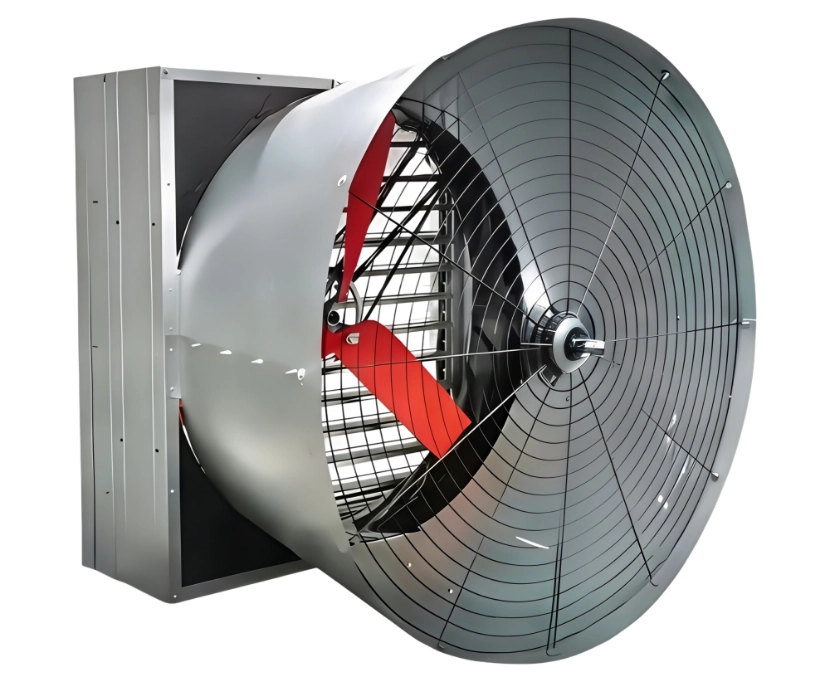
Вентиляция DAIHOпромышленный класс стенный выхлопный вентилятор имеет прочный оцинкованный стальный корпус и гладкие алюминиевые лезвия для первоклассного бриза и прочности. Такие модели хорошо справляются с обменом воздухом в парных местах, используя меньше энергии.
Признак 4: Чрезмерная влажность внутри объекта
Чрезмерная влажность не только влияет на комфорт рабочего, но и вредит поставкам.
Почему неправильная вентиляция приводит к накоплению влаги
Системы, которые слишком малы, борются за очищение влажного воздуха от таких задач, как промывание или покрытие. В течение месяцев это вызывает искры плесени на поверхностях или коробках. Предметы, которые ненавидят влажность, могут крутиться или уходить плохо раньше в этих настройках. Сочетайте хорошую вентиляцию с сконцентрированными инструментами для сухости, чтобы поддерживать стабильный уровень влажности в течение всего года.
| Проблемная область | Возможная причина | Рекомендуемое решение |
| Конденсация на стенах | Недостаточная мощность выхлопных газов | Установка высокообъемных вентиляторов на крыше |
| Плешь вблизи зон хранения | Плохая циркуляция воздуха | Добавить локализированные вентиляционные отверстия |
| Липкие полы или инструменты | Высокая относительная влажность | Интеграция обезвлажнителей с системой потока воздуха |
Признак 5: Воздух чувствует себя застоящим или пыльным
Даже когда температура хороша, застоящий воздух указывает на плохой поток воздуха.
Показатели слабых обменных курсов воздуха
Пыль, которая быстро приземляется на скамелках или гаджетах, вызывающих неправильные предупреждения от загрязнений частиц, означает, что ваше тягнение ’ t в ногу с требованиями завода. Продолжающиеся запахи показывают грязный воздух не’ t обмениваться достаточно быстро. Установка в промышленных выхлопных вентиляторах с лучшими кубическими футами в минуту (CFM) быстро освежает воздух комнаты без потребления дополнительного сока.
Знак 6: Неравномерное охлаждение в различных районах завода
Изменения температуры в рабочих местах часто указывают на проблемы с макетом над полными сбоями.
Разпознание дисбаланса воздушного потока в больших пространствах
Одна область остается жаркой, в то время как другая холодит, потому что стены или высокая передача блокируют пути ветра. В обширных комнатах или разделенных секциях вытягивающие вентиляционные отверстия должны соответствовать вытягивающим для равномерного распространения холода. Хорошо размещенные вентиляторы впуска и выхлопа не позволяют теплым мертвым зонам висить вблизи линий или полок.
Признак 7: Рост счетов за энергию без улучшения результатов охлаждения
Рост затрат на энергию, но легкость остается тем же криком отходов.
Как неэффективные системы тратят энергию и деньги
Небольшие воздуходувки меляют непрерывно, но пропускают знак охлаждения. Такие длинные ходы увеличивают затраты на электричество без реального прибыли в удержании температуры. Высшее рисование знаменует разрыв между масштабом передачи и потребностями сайта. Переход к острой, низкоэнергетической промышленной вентиляции сокращает рабочие клавишки и стабилизирует выход в течение сезонов.
Выбор правильного решения для промышленной вентиляции для вашего завода
Повышение растения’ Для установки воздуха требуется больше, чем просто добавление дополнительных вентиляторов. Это требует глубокого изучения тепловых пятен, формы комнаты и потоков задач.
Ключевые факторы при модернизации системы
Прежде чем бросить деньги на свежее оборудование, измерите свой сайт’ с ежедневное тепло от огней, машина тянет, и люди считают.
Оценка требований к потоку воздуха на основе размера объекта и уровня активности
Расчет общей тепловой нагрузки позволяет выбрать, сколько кубических метров в час (CMH) нужно управлять вентиляцией без напряжения частей.
Выбор правильного типа оборудования для эффективного охлаждения
Различные работы требуют разнообразного оборудования:
Выхлопные вентиляторы завода большого объема для стабильного вытяга.
Испарительные охлаждатели для дешевого целевого охлаждения.
Гибридные системы, смешивающие обе для адаптивной обработки.
Вентиляция DAIHO портативный воздушный охлаждатель предназначен для тяжелых промышленных сред, сочетая мощный поток воздуха с энергоэффективностью. Особенно подходит для полуоткрытых пространств, где температура колеблется с изменениями смещения.
Сотрудничество с профессиональным поставщиком вентиляции
Профессиональные проверки убедитесь, что каждый кусок имеет размеры и соответствует вашему промышленному охлаждению.
Фошань Daiho Equipment Co., Ltd. является профессиональным производителем, специализирующимся на проектировании, производстве и распределении вентиляционного и охлаждающего оборудования. Их опыт в растениях, теплицах, домах для птицы и складах показывает, как заказные исправления побеждают готовые руки вниз.
Улучшение комфорта на рабочем месте за счет более умного дизайна вентиляции
Тонкая настройка потока бриза растения’ т только для удобства — это’ Ключ для зеленых операций тоже. Новые настройки сочетаются в умные элементы управления, которые настраивают скорость воздуходува на основе входов датчика тепла.
Преимущества оптимизированной промышленной системы охлаждения
Настроенный баланс приносит несколько побед:
Снижает риски теплового стресса для команды и инструментов.
Держит твердые скорости выхода через горячие заклинания.
Снижает общее потребление энергии через интеллектуальные работы воздуходувки.
Помогает зеленым правилам, снижая связь выбросов с высокими мощностями.
Расширяет срок службы передачи, избегая петель теплового износа в теплых зонах.
Как поля толкают в парные пятна, как Юго-Восточная Азия’ с производственные центры, твердые вентиляционные повороты от приятного к обязательному для стабильных пробегов и безопасности персонала.
Часто задаваемые вопросы
Q1: Как узнать, нуждается ли моя фабрика в большей мощности выхлопных газов?
Если температура внутри помещений остается высокой, несмотря на то, что все вентиляторы работают на полной скорости, или некоторые районы ощущают застой, это, вероятно, означает, что ваша текущая настройка недоразмерна.
Q2:Какой лучший способ рассчитать требуемый поток воздуха?
Измерение общей тепловой нагрузки от машин и занятости; затем сопоставьте эту цифру с рейтингами CFM вентилятора, подходящими для вашего объема площади пола.
Q3: Могут ли испарительные охлаждатели заменить традиционные системы ОВК?
Во многих случаях да, особенно в сухом климате, но они работают лучше всего в сочетании с надлежащим управлением потоком выхлопных газов.
Q4: Как часто следует обслуживать промышленные вентиляторы?
не менее двух раз в год; регулярно чистить лезвия, поскольку накопление пыли значительно снижает эффективность с течением времени.
Q5: Почему влажность так важна внутри заводов?
Чрезмерная влага ускоряет коррозию металлических деталей, повреждает упаковочные материалы и заставляет работников чувствовать себя горяче даже при умеренных температурах.
 English
  Russian
  Arabic
  Spanish
  French
  Italian