

How Mobile HVLS Fans Improve Workplace Comfort and Efficiency
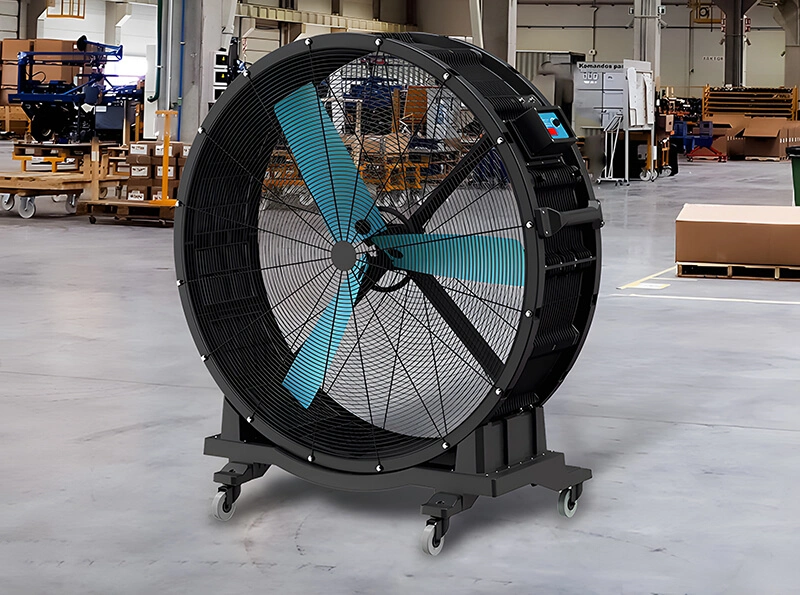
Keeping workplaces cool, comfortable, and energy-efficient has become a key operational goal in many industries. Mobile HVLS (High Volume Low Speed) fans offer an effective solution. They combine high-volume airflow with energy efficiency and ease of operation. These large portable fans enhance airflow, reduce energy costs, and improve worker comfort without requiring complex HVAC installations.
Understanding Mobile HVLS Fans
Before exploring their workplace benefits, it is important to understand what differentiates mobile HVLS fans. We should also see and why they are increasingly used in industrial and commercial environments.
What Are Mobile HVLS Fans?
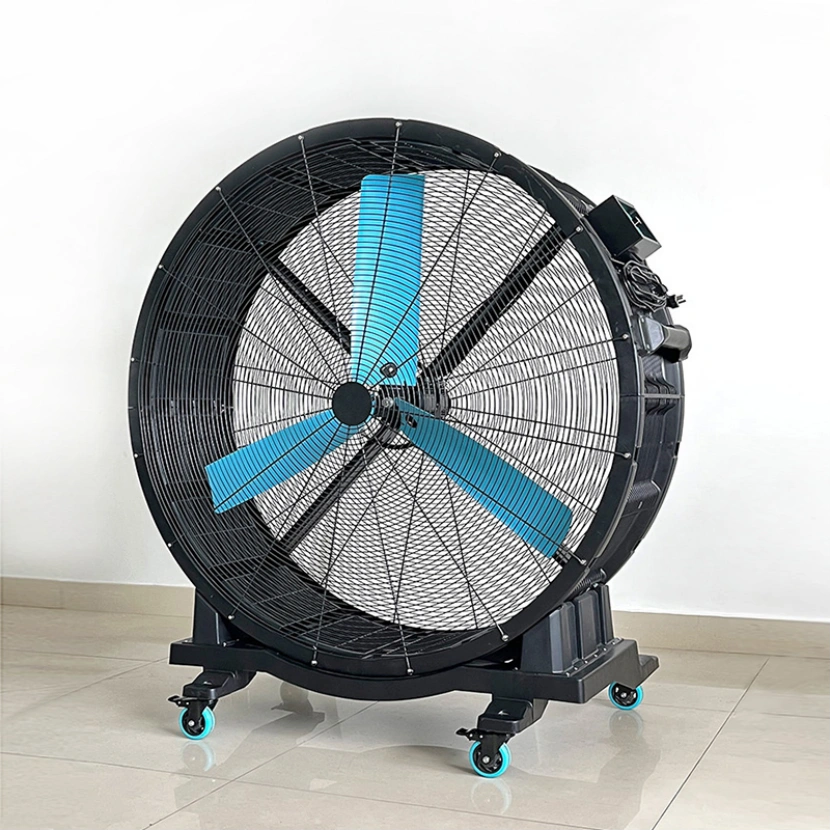
Mobile HVLS fans have wide blades and operate at low rotational speeds. They move large volumes of air well over broad areas. Unlike fixed ceiling types, these are designed for easy mobility. You can relocate them to areas where airflow is most needed. Their build often has a sturdy base on wheels. It includes adjustable height and adjustable airflow direction. This makes them fit changing work areas.
The big gap between mobile and fixed HVLS fans is setup ease. Fixed ones bolt to ceilings or walls. They suit steady spots like warehouses or plane sheds. But mobile ones work in dynamic environments. Think building sites, event venues, or short-term shops. There, moving them around counts a lot.
Usual uses cover factories, farm barns, shipping hubs, gyms, and even outside gatherings. In these, steady air flow boosts comfort. It also cuts heat pile-up.
Key Features of Industrial High Volume Fans
Industrial high volume fans are designed for heavy-duty operation and long life. Their shape focuses on aerodynamic efficiency. It uses smooth blades from lightweight aluminum or composite materials. The fan size often hits 36 to 48 inches across for portable ones. That’s big enough to shift lots of air. Yet it while avoiding harsh airflow.
Power savings mark another main trait. By stirring air softly but well, HVLS fans reduce perceived temperature by a few degrees. They consume significantly less energy than old cooling setups. This fits them great with green building plans.
Portability adds options. Locking wheels, angle shifts, and variable speed control let users adjust to exact needs in the air around.
Benefits of Mobile HVLS Fans in the Workplace
Adding commercial HVLS fans to work setups brings real comfort and smart gains. These go past basic chill.
Enhancing Workplace Comfort with Large Mobile Fans
Large mobile fans improve air circulation by sending large yet gentle airflow streams down and out over the ground. This flow evens out temperature differences from roof to floor. That’s a usual problem in high factory buildings. And it stops localized heat buildup.
Stronger stir hits worker ease right away. When workers experience improved thermal comfort from enhanced evaporative cooling on the skin, work output goes up. Fatigue is reduced too. In wet weather or hot seasons, good air shift also cuts damp build near tools or stock.
In factory spots like metal shops or food plants, cutting heat strain is not just ease. It’s about safety rules too. Even air flow lowers chances of hot gear. It keeps work spots okay even as outside heat rises.
Efficiency Improvements with Commercial HVLS Fans
From a work angle, commercial HVLS fans contribute significantly to energy savings. They pair with HVAC setups by better improving overall air distribution. So thermostats can be set at higher temperatures without losing ease. This drops cooling needs by up to 30%.
Their small power draw means clear cost drops over time. That’s versus regular fast floor fans or bunches of tiny ones running at once.
Plus, using smart air tools matches green aims that firms chase now under ESG plans. By trimming power use and stretching HVAC life, mobile HVLS fans back more environmentally responsible operations.
Choosing the Right Mobile HVLS Fan for Your Needs
Picking the best unit means more than selecting a model based solely on size. It calls for smart checks of space flow and what you expect from it.
Factors to Consider When Selecting a Mobile HVLS Fan
Begin by checking work area size and shape. Wide spots gain from a few big units placed wise for even air paths. Split areas might need several small ones near hot spots or work desks.
Fan power should fit the air needs. Tall roofs or hot jobs call for higher-capacity motors and broader blades for good reach. Sound level counts too. Quieter picks keep clear communication in make areas or close offices.
Here’s a quick reference table summarizing key selection factors:
| Factor | Description | Impact |
| Space Size | Total area & ceiling height | Determines fan diameter |
| Airflow Requirement | Heat load & occupancy | Defines motor capacity |
| Mobility Needs | Frequency of relocation | Affects wheel/base design |
| Noise Level | Acceptable dB range | Influences model choice |
Top Considerations for Selecting a Supplier or Manufacturer
When checking out makers of industrial high volume fans, reliability is critical as much as the specs. Seek sellers with transparent performance data, tough material proofs, and solid help after sale.
Help from them plays a key part. Quick fix tips or part stock can stop big stoppages down the line. Warranty covers should hit both gear parts and wire setups fully.
DAIHO Ventilation shows as a solid example in this area. As a professional manufacturer focused on factory air tools and power-smart cooling—like mobile HVLS fans—the firm blends build know-how with real design smarts from varied uses in fields from making to farming.
The Role of Industrial HVLS Fan Manufacturers
Makers shape how well these setups work through fresh ideas in build and fit skills.
Innovations and Trends in HVLS Fan Technology
Recent advancements include light mix blades that reduce motor load but keep strong air out. Variable frequency drives (VFDs) let precise speed control for best power under shifts.
Smart tech add-ons mark another big shift. IoT links allow live checks of fan state, heat back loops, and remote operation through screen boards. That’s great for site heads watching many zones at once.
Sustainability initiatives keep pushing new steps too. Reusable stuff, less carbon make ways, and sound cut tech show rising green care among producers like DAIHO Ventilation. They weave eco rules into build steps as a core part, not just add-ons.
Collaborating with Manufacturers for Customized Solutions
For special fields—say food holds needing tight damp rules or shops wanting aimed chill—team-made fixes with makers can beat ready goods.
Working tight in plan stages makes sure each fan’s setup fits odd air tests while hitting safety marks well. Such team-ups often bring not just better tech wins but smoother long care ties based on faith and shared work aims.
FAQs
Q: What does “HVLS” stand for?
HVLS means High Volume Low Speed—a fan type designed to move large amounts of air at slow rotational speeds efficiently.
Q: Are mobile HVLS fans suitable for outdoor use?
Yes, many models are built with weather-resistant materials suitable for semi-outdoor environments like loading docks or event spaces.
Q: How much energy can these fans save?
Depending on conditions, they can reduce cooling-related energy use by up to 30% when integrated properly with HVAC systems.
Q: Do large mobile fans require special maintenance?
Routine cleaning of blades and periodic motor inspection usually suffice; maintenance needs are minimal compared with heavy HVAC equipment.
 English
  Russian
  Arabic
  Spanish
  French
  Italian