

Come i ventilatori a soffitto HVLS migliorano l'efficienza del flusso d'aria in grandi impianti
Migliorare la circolazione dell'aria in grandi impianti con ventilatori a soffitto HVLS
Il ruolo del movimento dell'aria in ambienti industriali e commerciali
In grandi luoghi industriali come magazzini, fabbriche o palestre, l'aria ferma può causare tranquillamente problemi. Senza una buona circolazione, l'aria calda o fresca spesso rimane in un solo posto. Ciò porta a disagio e sprechi. Un buon flusso d'aria conta molto. Riduce le aree ferme. E aumenta la ventilazione costante.
Anche il flusso d'aria mantiene la temperatura ambiente costante. Inoltre abbassa i punti caldi e freddi. Questi punti possono danneggiare lo stoccaggio del prodotto e la produzione dei lavoratori. Tali piccole aree climatiche emergono quando il flusso d'aria viene bloccato da parti o macchine di costruzione. Un flusso di aria regolare risolve questo problema. Si diffonde aria raffreddata o regolare in modo uniforme in tutta l'area.
Come i ventilatori a soffitto di grande diametro affrontano le sfide del flusso d'aria
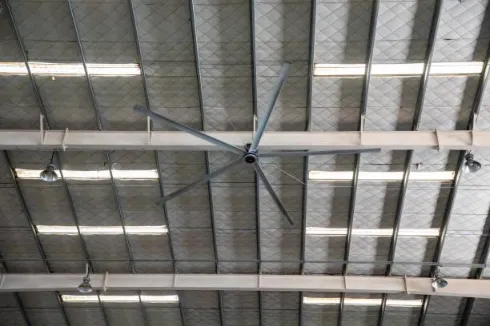
Ventilatori HVLS (High Volume Low Speed) essere costruiti per gestire questi problemi in grandi luoghi. A differenza dei vecchi ventilatori ad alta velocità che spingono l'aria in modo stretto, i ventilatori HVLS spostano grandi quantità di aria a velocità lenta. Questo fa un vento ampio e morbido.
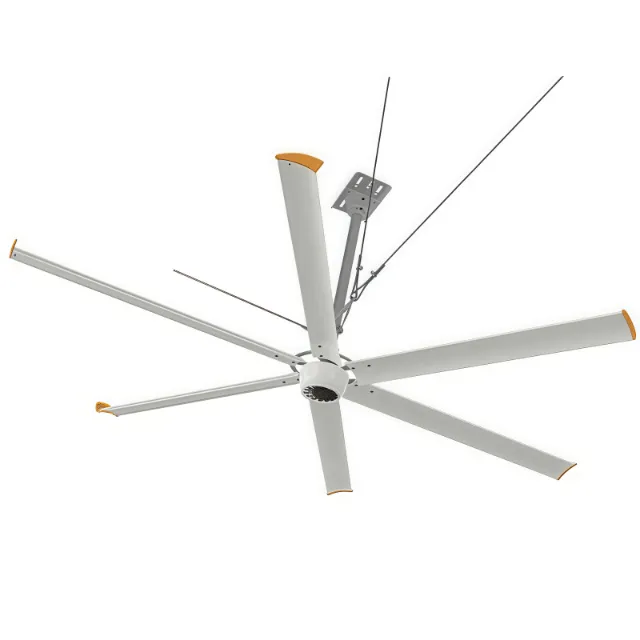
Le lame del ventilatore lisce provengono da metodi di modellazione moderni. Sono fatti in un pezzo. Quindi rimangono leggeri ma forti. Il driver BD-DSP ha rilevamento senza sensore. Rimane stabile e affidabile. Funziona su un ampio raggio di velocità. E funziona bene, adattando 50Hz a 60Hz uso.
A causa delle loro grandi dimensioni - da 2,1 metri a più di 8,6 metri a seconda del tipo - questi ventilatori hanno bisogno di solo pochi per coprire un intero edificio. Ciò significa meno manutenzione, meno consumo di energia per area e configurazione semplice.
Impatto sul comfort dei dipendenti e sulla produttività operativa
Creare un ambiente di lavoro più confortevole
Anche senza aria condizionata, Ventilatori HVLS può migliorare notevolmente come le persone si sentono comodi. Essi lo fanno abbassando il calore sentito attraverso l'evaporazione del sudore sulla pelle. Ciò aiuta molto nelle zone calde di fabbrica o nei centri di spedizione chiusi.
Inoltre tagliano l'umidità muovendo l'aria tutto il tempo. Un migliore flusso d'aria rende gli spazi più facili da respirare. Così le ore di lavoro lunghe sembrano meno difficili per il personale. Alla fine, questo aumenta la concentrazione. E riduce la stanchezza.
Correlazione tra comfort termico e potenza di lavoro
La salute dei lavoratori non è solo giusta - è’ s chiave per un lavoro migliore. Le buone condizioni collegano meno giorni di malattia e meno smettere. Inoltre, nei punti fisici difficili, i ventilatori HVLS fanno impostazioni più sicure. Riduce i rischi del calore. Macchine come nastri trasportatori o sistemi auto beneficiano di flussi di aria uniformi. Questo impedisce loro di farsi troppo caldo.
Ridurre il consumo energetico e i costi di raffreddamento
Integrazione con sistemi HVAC esistenti per guadagni di efficienza
Ventilatori a soffitto HVLS Non assumere i sistemi HVAC. Invece li migliorano. Consentono di impostare i termostati più in alto. Il comfort rimane lo stesso. Diffondendo meglio il calore dalle prese HVAC, smettono di raffreddare alcune parti. Questo equilibra le aree calde senza sforzo aggiuntivo.
Questo lavoro di squadra riduce le bollette energetiche. E mantiene il comfort solido.
Versatilità stagionale per risparmiare tutto l'anno
Questi fan lavorano oltre l’estate. In tempi freddi, i ventilatori HVLS possono cambiare direzione. Spingono l'aria calda giù dall'alto.
| Stagione | Funzione | Beneficio |
| estate | Raffreddamento evaporativo | Riduce la temperatura percepita |
| Inverno | Destratificazione | Riduce il consumo di energia per il riscaldamento |
Il consumo di energia migliora in ogni stagione. Ciò porta a continui tagli dei costi.
Migliorare la qualità dell'aria interna attraverso una migliore circolazione
Scambio continuo di aria per ambienti più sani
Un cattivo flusso d'aria permette che fumo, sporco e altre particelle si accumulino. I fan di HVLS combattono questo. Continuano a spostare l'aria senza fermarsi. Il movimento costante impedisce che polvere, fumo e pezzi galleggianti si accumulino. Un migliore flusso aiuta a soddisfare le regole dell'aria di lavoro.
Supporto alle strategie di ventilazione in strutture chiuse
In aree chiuse con poca aria naturale, i ventilatori HVLS diffondono ben l'aria nuova. Ciò assicura che ogni punto - anche angoli o parti scure - riceva abbastanza aria fresca.
Minimizzare i requisiti di manutenzione nel tempo
Caratteristiche di design a bassa manutenzione e durata dei ventilatori HVLS
Questi duri ventilatore a soffitto industriale Le impostazioni si concentrano sulla durata bene. La roba di fabbrica li rende affidabili durante l'uso senza interruzione. Meno parti che si muovono taglio su correzioni o scambi.
Ad esempio, modelli come il DH-XC-73 hanno un motore senza spazzole a magnete permanente. Pesano circa 102 kg. Eppure spingono fuori un forte flusso d'aria di 15.800 m³/min.
Ridurre i tempi di fermo attraverso soluzioni efficienti di flusso d'aria
Un buon flusso d'aria aiuta più delle persone. Protegge anche le macchine. Raffreddando l'aria intorno e fermando l'accumulo di calore, i ventilatori evitano il surriscaldamento. Questo riduce i guasti della macchina. E prolunga la vita di elettronica chiave o linee.
Fattori che influenzano l'efficacia dell'installazione di ventilatori HVLS
Valutazione delle dimensioni e del layout dell'impianto per una copertura ottimale
Le grandi aree aperte beneficiano dal collocare ventilatori a soffitto di grande diametro come DHXC-73 o DHPM-43 al centro.
Ma i blocchi come gli scaffali alti potrebbero richiedere spostamenti intelligenti in posizione. Diversi ventilatori più piccoli possono riempire vuoti da pareti o divisori.
Considerando l'altezza del soffitto e la capacità di sostegno strutturale
L'altezza del soffitto conta molto. I soffitti alti si adattano alle dimensioni più ampie dei ventilatori. Questi coprono più terreno. L'edificio deve sopportare il peso e la rotazione dei ventilatori a soffitto industriali. Un buon controllo della struttura mantiene le cose al sicuro durante corse costanti.
Posizionamento strategico per una distribuzione equilibrata dell'aria in tutte le zone
La facilità locale spesso batte la diffusione generale. I ventilatori vicino ai posti di lavoro o alle aree di carico aumentano il comfort del personale dove ’ è occupato. La configurazione intelligente salta gli scontri con le luci o gli spruzzatori superiori.
Pianificazione di bilancio per guadagni di efficienza a lungo termine
I costi iniziali per i sistemi HVLS rimborsano presto. Più piccole bollette elettriche da un migliore utilizzo del freddo / calore. Meno manutenzione aggiunge più valore. Il personale che lavora meglio porta guadagni nascosti che puoi’ t signorina.
Integrazione dei ventilatori HVLS in soluzioni olistiche di ventilazione
Ruolo complementare nei sistemi di controllo climatico più ampi
I ventilatori HVLS si abbinano bene a raffreddatori d'acqua, rimozioni di umidità e sistemi di ventilazione. Questo piano passo dopo passo mantiene il calore costante in diverse parti dell'edificio. Darà più voce su esigenze come umidità o aria pulita.
Sfruttare le competenze dei produttori specializzati
Scegliere il miglior assistente rende la configurazione fluida. Aziende come ventilazione DAIHO offrire soluzioni personalizzate per il vostro edificio’ bisogni s. Il loro know-how copre più dei fan. Include anche il raffreddamento di fabbrica.
Dal consiglio alla configurazione e alla cura di follow-up, il loro servizio completo mantiene le cose funzionando bene.
Applicazioni pratiche in ambienti industriali
Magazzini, impianti di produzione e centri di distribuzione
Questi punti comuni utilizzano anche il flusso d'aria per la comodità delle persone e la cura delle merci. Anche gli oggetti morbidi guadagnano da punte meno umide.
Spazi commerciali come palestre o sale espositive
I ventilatori HVLS come i modelli DHPM funzionano in silenzio a curve basse, ideale per luoghi in cui il rumore disturba le persone o gli acquirenti.
Strutture di stoccaggio agricole o fienile per bestiame
Il flusso d’aria è fondamentale nell’agricoltura. Protegge i cereali salvati o le colture dalla marcia e fornisce cicli di aria fresca per la salute degli animali.
Valutazione del valore a lungo termine dei sistemi di ventilazione HVLS
Metriche delle prestazioni oltre l'installazione iniziale
La vittoria arriva dopo il setup. I controlli principali coprono:
Risparmio energetico
Lacune di manutenzione
Calore costante in tutte le aree
Meno personale si lamenta del tempo
Collaborazione con fornitori affidabili per un'efficienza sostenibile
Una fonte solida come DAIHO Ventilation mantiene le cose in corso con controlli di routine e servizi di blend-in.
Essi danno garanzia gratuita e correzioni nel tempo stabilito e variano dall'accordo. Tale aiuto costruisce fiducia che la tua spesa durerà.
Domande frequenti
Q: Che dimensione ventilatore HVLS è adatto per un magazzino alto 10 metri?
In genere, i modelli con un diametro compreso tra 6,1 e 7,3 m sono adatti per tali altezze a seconda del layout e degli ostacoli.
D: I ventilatori HVLS possono essere utilizzati con sistemi HVAC esistenti?
- Sì. - Sì. Migliorano l'efficienza HVAC ridistribuendo l'aria condizionata in modo più uniforme in tutto lo spazio.
Q: Quanto sono rumorosi i ventilatori a soffitto HVLS durante il funzionamento?
La maggior parte dei modelli di alta qualità funzionano sotto i 40 dB, rendendoli adatti anche per uffici o palestre.
Q: Questi ventilatori aiutano con il controllo dell'umidità?
Mentre non’ t rimuovere direttamente l'umidità, riducono l'accumulo di umidità mantenendo l'aria in movimento costantemente.
D: Qual è il ritorno medio sull'investimento?
Grazie al risparmio energetico e al miglioramento della produttività, il ROI viene generalmente realizzato entro 2-3 anni a seconda dei modelli di utilizzo.
 English
  Russian
  Arabic
  Spanish
  French
  Italian