

Raffreddamento localizzato o climatizzazione centralizzata: scegliere la soluzione di raffreddamento più adatta alla tua officina
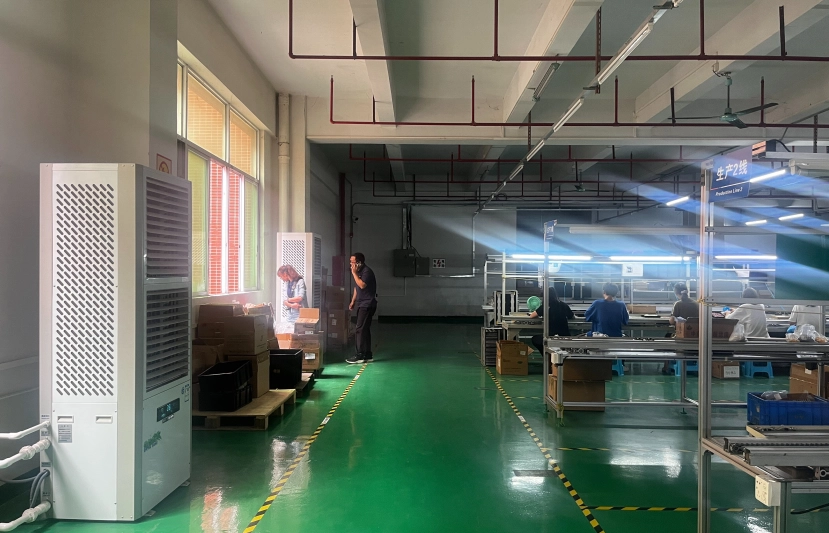
Le officine industriali si trovano ad affrontare un problema comune: mantenere un raffreddamento costante ed efficace in ambienti ampi e ad alta temperatura senza far lievitare i costi energetici. Trovare la soluzione ideale di solito implica scegliere tra un sistema di raffreddamento centralizzato e una soluzione di raffreddamento localizzato più flessibile. Molti impianti di produzione moderni riscontrano che i sistemi di raffreddamento localizzato offrono maggiore flessibilità e precisione rispetto ai tradizionali sistemi di climatizzazione centralizzati.
TLe sfide termiche uniche degli ambienti di officina
Le officine industriali spesso generano ambienti termici complessi. Macchinari, punti di saldatura e linee di produzione robuste producono costantemente calore. Questo crea piccole sacche di calore intenso che presto influiscono sia sul personale che sulle attrezzature. La gestione del flusso d'aria diventa complessa in ambienti ampi e aperti, dove l'aria calda e quella fredda si mescolano in modi imprevedibili.
efficienza energetica È un aspetto importante da considerare anche in questi ambienti. Va oltre gli obiettivi ecologici. Si estende oltre gli obiettivi di sostenibilità. Un controllo inadeguato del flusso d'aria o un raffreddamento non uniforme causano affaticamento al personale. Possono anche ridurre la concentrazione e la produttività. Inoltre, accelerano il danneggiamento delle apparecchiature. Un comfort ottimale aumenta la produttività e contribuisce alla durata delle apparecchiature nel tempo.
Il ruolo del raffreddamento di precisione nelle operazioni industriali
Il raffreddamento di precisione mantiene ogni zona di lavoro alla temperatura richiesta. Nelle attività di produzione o assemblaggio in cui gli standard sono rigorosi, anche minime variazioni possono compromettere i controlli di qualità. Un raffreddamento eccessivo comporta un consumo energetico non necessario, mentre un raffreddamento insufficiente può causare arresti anomali o difetti nei componenti.
I sistemi di climatizzazione mirati stabilizzano questi piccoli ambienti. Inviano aria raffreddata solo nei punti che richiedono il controllo della temperatura. Ciò contribuisce a ridurre il consumo energetico superfluo e a creare un ambiente più stabile. Di conseguenza, gli operatori beneficiano di un funzionamento più affidabile e di un migliore controllo dei costi.
Raffreddamento localizzato: efficienza mirata per le zone ad alta richiesta
Il raffreddamento localizzato è diventato una soluzione preferita per le officine che necessitano di maggiore flessibilità operativa, in quanto consente di evitare modifiche sostanziali all'impianto HVAC principale.
Principi di raffreddamento localizzato in ambito industriale
Il raffreddamento localizzato invia aria raffreddata direttamente in aree specifiche, come ad esempio le cabine di saldatura o le postazioni CNC. Il resto dell'impianto rimane inalterato. Le unità portatili e i sistemi canalizzati consentono agli operatori di concentrare il raffreddamento su zone di lavoro specifiche durante i periodi di picco operativo.
Questo approccio è particolarmente efficace negli impianti con esigenze di produzione variabili o con funzionamento intermittente. Gli operatori azionano i refrigeratori localizzati solo quando necessario, evitando di avviare l'intero sistema centralizzato per tutta la durata del turno.
Vantaggi ingegneristici dei sistemi di raffreddamento localizzato
- Ottimizzazione energetica tramite controllo localizzato
Il raffreddamento localizzato si concentra sulle aree di lavoro ad alta richiesta anziché raffreddare l'intero edificio. Ciò alleggerisce il carico sulle unità di trattamento aria principali. I responsabili regolano le impostazioni per ogni area in base all'utilizzo effettivo, risparmiando energia nei momenti di minore affluenza.
- Maggiore comfort per i lavoratori e protezione delle attrezzature.
Un flusso d'aria diretto migliora il comfort in ambienti difficili e caldi, dove lo stress termico è particolarmente intenso. Protegge utensili delicati e componenti elettrici dal surriscaldamento, un problema comune nelle aree vicine a macchinari industriali pesanti.
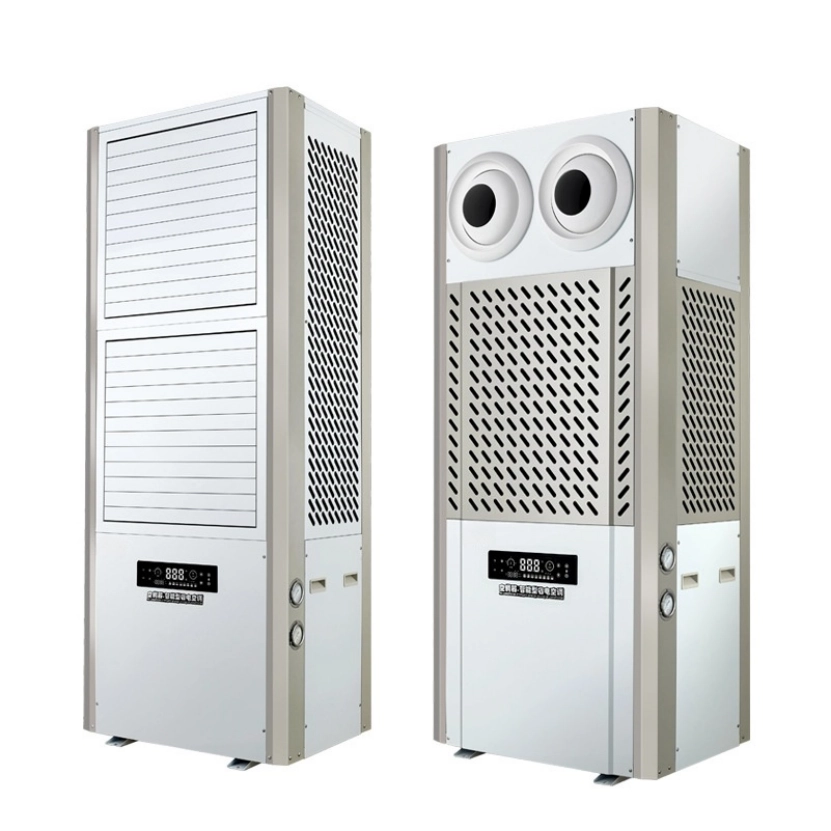
Un caso di innovazione mirata da DAIHO Ventilation
- Caratteristiche di progettazione a supporto del raffreddamento di precisione
ventilazione DAIHO‘s tubo di uscita dell'aria del condizionatore d'aria Questo sistema di raffreddamento con pannello di raffreddamento interno è progettato per applicazioni di raffreddamento impegnative in grandi ambienti industriali. Utilizza un pannello evaporativo a nido d'ape per un raffreddamento efficiente dell'aria. Una ventola assiale superiore garantisce una ventilazione potente. Il serbatoio dell'acqua integrato facilita i lunghi periodi di funzionamento. Questi componenti consentono di regolare la direzione e l'intensità del flusso d'aria. Si adattano a configurazioni complesse di officine che richiedono una diffusione precisa.
Il guscio in metallo perforato conferisce robustezza e garantisce un flusso d'aria uniforme. In combinazione con compressori ad alte prestazioni e pannelli di controllo intelligenti, il sistema offre un funzionamento stabile con costi operativi ridotti.
- Scenari applicativi in ambienti di workshop
Questo condizionatore d'aria industriale Si integra perfettamente in linee di assemblaggio, centri di taglio, zone di saldatura o aree di imballaggio. Non richiede grandi modifiche strutturali. È ideale per fabbriche, magazzini e impianti di produzione nelle zone climatiche del Sud-est asiatico. L'unità offre una gestione climatica economica ed ecologica con una manutenzione minima.
Ecco una rapida panoramica di alcuni modelli adatti a negozi di varie dimensioni:
| Modello | Capacità frigorifera (kW) | Portata d'aria massima (m³/h) | Distanza di esplosione (m) | Rumore (dB) |
| DH-A-10P | 20 | 10,000 | 10–15 | 66 |
| DH-A-16P | 41 | 16,000 | 12–17 | 70 |
| DH-A-21PD | 20 | 10,000 | 22–25 | 68 |
| DH-A-26PD | 41 | 14,000 | Fino a 30 | 72 |
Questa gamma consente agli ingegneri di abbinare le unità alle esigenze di riscaldamento di ciascuna area. In questo modo, il consumo energetico rimane legato alla domanda reale.
Climatizzazione centralizzata: ampia copertura con complessità strutturale
Gli impianti di climatizzazione localizzati offrono un risparmio mirato. Tuttavia, i sistemi di climatizzazione centralizzati rimangono ampiamente utilizzati nei grandi edifici chiusi. In questi casi, è fondamentale mantenere una temperatura uniforme su ampi spazi.
Ambito operativo dei sistemi di raffreddamento centralizzati negli impianti industriali
Le unità centralizzate diffondono l'aria raffreddata attraverso lunghe canalizzazioni. Un unico punto di controllo supervisiona l'intero sistema. Mantengono temperature costanti in tutta la struttura. Questo è particolarmente utile per magazzini o aree pulite che necessitano di temperature costanti.
Limitazioni dei sistemi di climatizzazione centralizzati nelle applicazioni per officine.
- Inefficienza negli spazi di lavoro dinamici
Le officine industriali raramente operano a pieno regime per l'intera giornata. Il funzionamento continuo degli impianti di climatizzazione centralizzati può comportare un consumo energetico superfluo durante i periodi di bassa produzione o quando sono occupate solo determinate aree.
- Vincoli di manutenzione e infrastrutturali
L'installazione di un sistema centralizzato richiede ingenti investimenti iniziali. L'aggiunta di condotti, un migliore isolamento e le soste per l'installazione contribuiscono ad aumentare i disagi e i costi.
Analisi comparativa: raffreddamento localizzato vs. climatizzazione centralizzata in contesti di officina.
Per scegliere tra queste opzioni, è necessario esaminare i parametri chiave. Questi indicano quale si adatta meglio alle esigenze del vostro impianto.
Indicatori di prestazione per il processo decisionale in ambito industriale
- Precisione e tempo di risposta nel controllo della temperatura
Il raffreddamento localizzato agisce più rapidamente. Raggiunge piccole zone direttamente vicino ai generatori di calore. Le unità centralizzate, invece, sono più lente e gestiscono aree più estese.
- Modelli di consumo energetico e implicazioni in termini di costi
Gli impianti locali consumano meno energia in totale. Vengono installati solo nelle aree utilizzate o ad alta temperatura. Ciò si traduce in un notevole risparmio sui costi energetici a lungo termine.
- Scalabilità e adattabilità del sistema
I componenti aggiuntivi crescono in base alla produzione o alle variazioni di layout. Le strutture centralizzate faticano a tenere il passo con tali cambiamenti.
Impatto ambientale e considerazioni sulla sostenibilità
- Riduzione dell'impronta di carbonio attraverso la pianificazione urbanistica intelligente.
Il raffreddamento localizzato limita i cicli di funzionamento alle sole aree operative. Ciò riduce significativamente il consumo energetico complessivo. Di conseguenza, è possibile ridurre le emissioni di carbonio nel lungo periodo.
- Integrazione con gli standard di produzione ecocompatibile
I metodi spot si integrano perfettamente con le normative ISO in materia di energia, come la ISO 50001. Promuovono un utilizzo intelligente delle risorse nei flussi di processo degli impianti.
Raccomandazioni strategiche per la pianificazione del controllo climatico in officina
Una pianificazione intelligente garantisce che ogni grammo di energia contribuisca al comfort o alla continuità dei processi. Aiuta inoltre a evitare inutili sprechi di energia.
Valutazione delle esigenze operative prima della selezione del sistema
Prima di scegliere un sistema di raffreddamento, è necessario valutare fattori quali la disposizione degli impianti, la distribuzione delle fonti di calore, la densità della forza lavoro nei diversi turni e i modelli di flusso d'aria esistenti. Questi elementi determinano se le soluzioni più adatte siano un sistema locale, centralizzato o misto.
Approcci ibridi per un'efficienza ottimale
Molti impianti industriali oggi combinano sistemi di raffreddamento localizzato con i sistemi di ventilazione standard. L'aria condizionata centralizzata copre le esigenze costanti. I raffrescatori localizzati portatili intervengono nei picchi di calore in prossimità dei gruppi di macchinari o durante i periodi di punta.
Valore a lungo termine grazie a una progettazione intelligente del raffreddamento.
I sensori intelligenti consentono ai sistemi di autoregolarsi in base alle letture di temperatura in tempo reale nei punti di lavoro. Una manutenzione costante prolunga la durata delle apparecchiature e contribuisce a mantenere un'efficienza operativa stabile nel lungo periodo. Tali procedure portano a notevoli vantaggi nel tempo.
Domande frequenti
Q1: Qual è la principale differenza tra raffreddamento localizzato e climatizzazione centralizzata?
Il raffreddamento localizzato mira a zone specifiche, mentre la climatizzazione centralizzata diffonde l'aria raffreddata in modo uniforme su tutto l'edificio.
Q2: In che modo il raffreddamento localizzato consente di risparmiare energia?
I sistemi di raffreddamento localizzato funzionano solo nelle aree in cui è necessario raffreddare. Questo evita di raffreddare le zone vuote e riduce notevolmente il consumo energetico complessivo.
Q3: I sistemi di raffreddamento localizzato sono adatti ad aree di officina di grandi dimensioni?
Sì. Installa diverse unità aggiuntive in punti strategici per gestire efficacemente ampie aree, senza bisogno di canalizzazioni complete.
Q4: I condizionatori d'aria industriali portatili sono adatti a un utilizzo intensivo?
I moderni condizionatori d'aria industriali sono progettati con strutture resistenti e sistemi di controllo avanzati. Sono appositamente studiati per resistere ad ambienti difficili.
Q5: Quali fattori devo considerare prima di scegliere un condizionatore d'aria industriale?
Nella scelta di una soluzione di raffreddamento industriale adeguata, è necessario considerare fattori quali le dimensioni dell'officina, la distribuzione del calore, la densità della forza lavoro, i modelli di flusso d'aria e la pianificazione della manutenzione a lungo termine.
 English
  Russian
  Arabic
  Spanish
  French
  Italian