

Cose da considerare quando si sceglie un ventilatore industriale
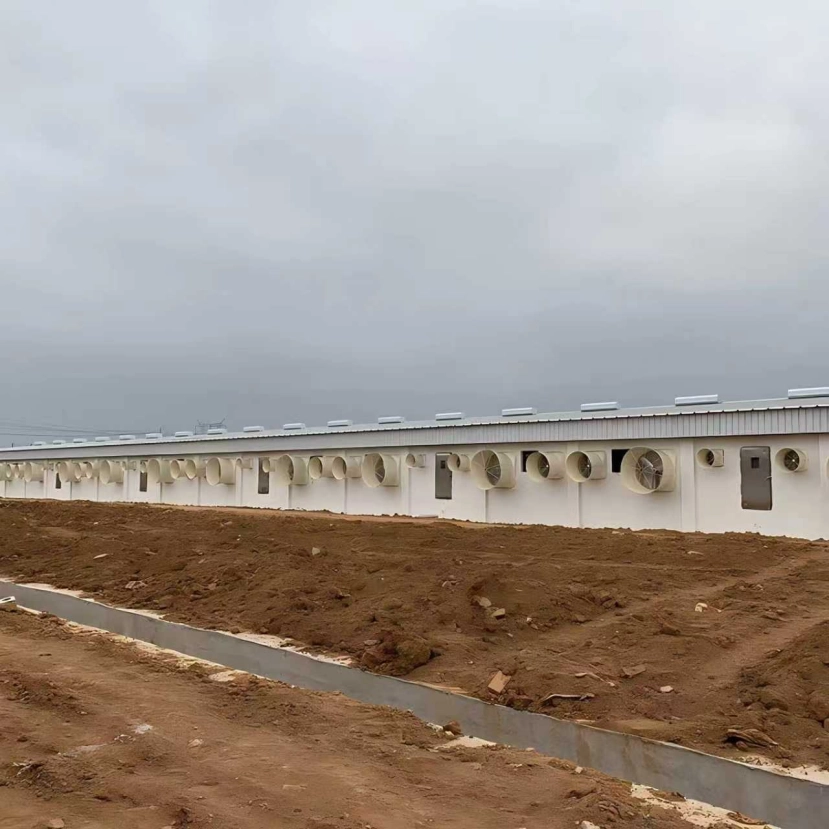
Una ventilazione efficiente è una base fondamentale per qualsiasi luogo di lavoro industriale. Quando il flusso d'aria è insufficiente, il calore si accumula e le particelle nell'aria rimangono sospese. Ciò influisce negativamente sia sulle prestazioni delle attrezzature che sulla sicurezza dei lavoratori. Un buon ventilatore industriale può cambiare le cose. Potrebbe essere un grande ventilatore industriale per un ampio movimento d'aria. Oppure potrebbe essere un ventilatore industriale pesante per punti difficili. Tali sistemi migliorano la qualità dell'aria. taglia le bollette energetiche. E aiutano le macchine a durare più a lungo.
L'importanza dei ventilatori industriali nel flusso d'aria e nel raffreddamento
Ventilatori industriali svolgono un ruolo fondamentale nel mantenere l'aria in movimento bene in grandi aree come fabbriche, magazzini e negozi. Evitano l'accumulo di calore e garantiscono una circolazione continua dell'aria attraverso le zone di lavoro. Ciò mantiene le temperature costanti anche quando le macchine funzionano duramente. Il flusso costante elimina anche polvere, fumo e altri pezzi nell'aria. Questi contaminanti possono compromettere la sicurezza dei lavoratori e la qualità dei prodotti.
Uso comune in diverse industrie
I ventilatori industriali sono ampiamente utilizzati in diversi settori:
Impianti di produzione usarli per la rimozione del calore vicino ai forni o alle linee di assemblaggio e per la cancellazione del fumo o della polvere di saldatura.
Strutture agricole contare su di loro per controllare l'umidità in fienile animali o serre. Ciò aiuta a ridurre la crescita della muffa e migliora i tassi di cambio dell'aria.
Edifici commerciali dipendere da loro per mantenere l'aria interna pulita. Spostano aria fresca attraverso i sistemi HVAC.
Tipi di ventilatori industriali e le loro caratteristiche
Le diverse esigenze di lavoro significano diversi tipi di ventilatori. Ognuno ha una costruzione speciale per determinate esigenze di flusso d'aria.
Ventilatori di scarico
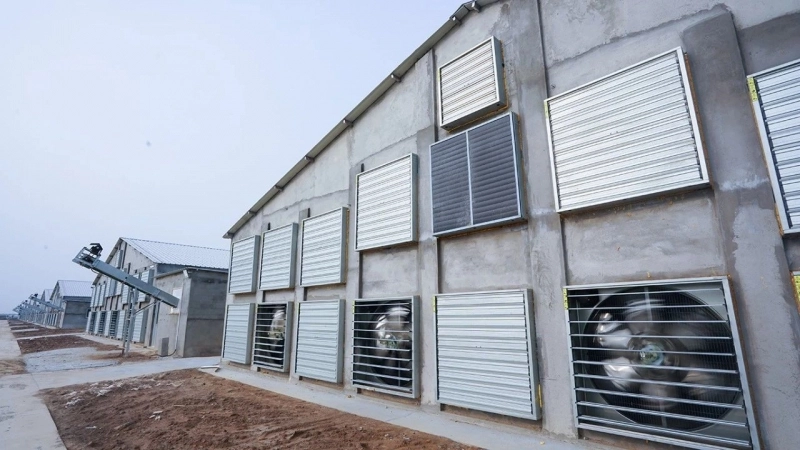
I ventilatori di scarico rientrano tra i tipi abituali nei cantieri di lavoro. Rimuovono l'aria obsoleta o contaminata dagli spazi chiusi, creando pressione negativa. Di conseguenza, l'aria fresca viene aspirata nello spazio dall'esterno. Il Ventilatore di scarico industriale montato sul tetto DAIHO funziona per una forte ventilazione e un lungo utilizzo all'aperto. Il suo top a cupola impermeabile e robusta costruzione abito fabbriche o magazzini in pioggia o umidità. Allo stesso modo, il ventilatore di scarico in fibra di vetro gestisce bene il flusso d'aria in fabbriche medie e grandi. Crea uno spazio a bassa pressione. E porta aria fresca.
Ventilatori centrifughi
I ventilatori centrifugi generano una pressione statica più alta rispetto ai ventilatori a flusso assiale. Quindi si adattano ai sistemi di tubazione che necessitano di flusso e quantità di aria mirati. Le persone le usano spesso nelle installazioni industriali di ventilatori di scarico negli impianti di trasformazione. Lì, la ventilazione esatta gestisce il fumo o i pezzi. La costruzione consente una migliore gestione della pressione senza perdere potenza. Questo’ s vitale quando si lavora con impostazioni di tubazione difficili nella realizzazione di macchie.
Ventilatori industriali pesanti
I ventilatori industriali pesanti sono progettati per resistere a condizioni difficili come ad alte temperature e ambienti corrosivi. Il Ventilatore di scarico a parete di qualità industriale DAIHO ha un telaio in acciaio zincato resistente e lame in alluminio fluide per un grande flusso d'aria e resistenza. Questi tipi spesso hanno persiane automatiche per bloccare il retroflusso di polvere o acqua piovana. Tali parti sono indispensabili in acciaierie, impianti chimici o siti elettrici. Lì, la fiducia nell'ingranaggio può’ t essere rischiato.
Fattori chiave da considerare quando si sceglie un ventilatore industriale
Scegliere il ventilatore migliore significa più che solo dimensioni. È necessario conoscere i modelli di flusso dell'aria, gli obiettivi di risparmio energetico, i limiti di rumore e le sfide del sito specifiche per ogni luogo.
Requisiti di flusso d'aria e esigenze di pressione statica
Il primo passo è quello di determinare il flusso d'aria richiesto, in genere misurato in piedi cubi al minuto (CFM). La pressione statica si riferisce alla resistenza causata da condotti, filtri o aperture, schermi o aperture. Devi includerlo in matematica. Cambia il flusso d'aria reale una volta impostato. Ventilatori troppo piccoli causano una ventilazione debole. Troppo grandi sprecano energia. La giusta dimensione porta un lavoro uniforme in tutte le aree.
Efficienza energetica e consumo energetico
I motori ad efficienza energetica contribuiscono a ridurre i costi operativi a lungo termine. Gli azionamenti a velocità variabile consentono di regolare il flusso d'aria in base alle esigenze attuali. Questo’ Ideale per posti con carichi di lavoro cambianti durante il giorno.
DAIHO Ventilation lavora sulla realizzazione di ventilatori ad alta potenza che riducono la perdita di energia. Mantiene un forte flusso d'aria allo stesso tempo. Questo focus aiuta gli utenti a raggiungere obiettivi verdi e risparmiare denaro. Lo fanno senza perdere potere.
Livello di rumore e controllo delle vibrazioni
Il controllo del rumore è spesso trascurato. Ma è’ s chiave per il comfort di lavoro e il rispetto delle regole. Le costruzioni silenziose con basi che riducono le vibrazioni proteggono l'udito del lavoratore e proteggono anche l'attrezzatura vicina dai danni.
Durabilità e selezione dei materiali
La scelta dei materiali svolge un ruolo critico nell'affidabilità a lungo termine. L'acciaio inossidabile o l'alluminio coperto combattono la ruggine da umidi o prodotti chimici. FRP offre scelte leggere ma forti per aree umide.
L'alloggio liscio in FRP combatte i raggi UV e il tempo bene. Si adatta ai lavori interni ed esterni. I ventilatori industriali pesanti costruiti in questo modo resistono all'uso costante.
Aspetti di ingegneria che influenzano le prestazioni dei ventilatori
Oltre ai materiali, gli edifici intelligenti contano. La forma della lama, il tipo di azionamento, l'impostazione del motore tutto forma quanto bene un ventilatore fa il suo compito.
Design delle lame e aerodinamica
Il design della lama determina l'efficienza del flusso d'aria e i livelli di rumore rispetto alla quantità di suono che ne proviene. Hanno tagliato anche le perdite di vortice. Questo’ è un mix importante per grandi ventilatori industriali destinato a un lavoro silenzioso ma forte.
Tipo di motore e opzioni del sistema di azionamento
Le configurazioni di unità dritte facilitano la manutenzione. Hanno meno parti da usurare nel tempo. Ma gli azionamenti a cintura danno flessione ai cambiamenti di velocità per molte unità collegate ad un unico controllo. Questo’ comune nelle grandi sale di lavoro.
Applicazioni di ventilatori di scarico industriali in diverse impostazioni
I ventilatori di scarico industriali servono una vasta gamma di applicazioni in base a dove vanno:
Strutture di produzione & Magazzini: Estrarre il calore extra dalle aree della macchina. Prendono anche il fumo da punti di saldatura o stanze di vernice.
Agricoltura & Trasformazione alimentare: Mantenere umidità costante per fermare la marcia. Assicurano aria pulita vicino alle zone animali.
Edifici commerciali & Spazi pubblici: Aiuta HVAC sollevando gli scambi d'aria interni. Questo funziona bene dove i numeri delle persone cambiano molto ogni giorno.
Come DAIHO Ventilation garantisce la qualità nella produzione industriale di ventilatori
Come produttore focalizzato che combina tecnologia di raffreddamento con soluzioni di costruzione di ventilazione in tutto il mondo, ventilazione DAIHO è un produttore specializzato di apparecchiature industriali di ventilazione e raffreddamento, che offre soluzioni integrate per la progettazione, la produzione e la distribuzione globale.
Impegno per la progettazione energeticamente efficiente
L'azienda si concentra sulla fornitura di prestazioni elevate riducendo al minimo il consumo energetico. Questa idea modella ogni grande ventilatore industriale che producono.
Tecnologia di produzione avanzata
La costruzione esatta garantisce un soggiorno di qualità anche in tutti i grandi tipi di ventilatori industriali. Dalle sale di prova del flusso d'aria agli strumenti di bilanciamento automatico nella messa insieme delle fasi. Ogni parte raggiunge gli standard mondiali prima dell'invio.
Gamma completa di prodotti
La gamma dell’azienda comprende non solo ventilatori industriali. Copre anche raffreddatori evaporativi, deumidificatori, parti HVAC. Tutti sono fatti per supportare piani di controllo meteorologico completo in settori come l'agricoltura o la produzione pesante. Ogni linea aiuta un buon raffreddamento, ventilazione e controllo di impostazione. Si adattano alle esigenze industriali.
Perché lavorare con un produttore professionale come DAIHO Ventilation?
Lavorare con un produttore professionale fornisce più di una semplice fornitura di attrezzature. Si tratta di acquisire know-how dalla consulenza alla post-cura. Offre soluzioni personalizzate in base alle dimensioni del posto, alle esigenze di flusso d'aria e alle condizioni del sito. I loro team tecnici aiutano i clienti a creare tweak. Ciò assicura che ogni impostazione colpisca segni di potenza mirati. Inoltre rispetta le regole di sicurezza in tutto il mondo.
La collaborazione con professionisti che ottengono sia i fatti di costruzione che l'uso reale promette che la tua spesa continuerà a restituire molto tempo dopo la prima installazione.
Domande frequenti
Q1: Qual è la differenza tra ventilatori industriali assiali e centrifughi?
I ventilatori assiali muovono volumi maggiori a bassa pressione; tipologie centrifughe gestiscono pressioni più elevate adatte per sistemi a condotti.
Q2: Come calcolo il requisito CFM corretto?
Moltiplicare il volume della stanza per i cambiamenti d'aria desiderati all'ora (ACH), quindi dividere per 60 per ottenere il valore CFM.
Q3: Vale la pena installare gli azionamenti a velocità variabile?
Sì, ottimizzano il consumo di energia regolando la velocità del motore in base alle fluttuazioni della domanda.
Q4: I ventilatori industriali pesanti possono funzionare all'aperto tutto l'anno?
Se costruiti con materiali resistenti alla corrosione come alloggi in acciaio zincato o FRP, possono funzionare in modo affidabile anche in condizioni climatiche difficili.
Q5: Quale programma di manutenzione dovrei seguire?
Ispettare le lame mensilmente per l'accumulo di detriti; controllare i cuscinetti trimestralemente; eseguire una completa analisi delle vibrazioni ogni anno per ottenere i migliori risultati di longevità.
 English
  Russian
  Arabic
  Spanish
  French
  Italian