

Aria condizionata a risparmio energetico: quello che devi sapere
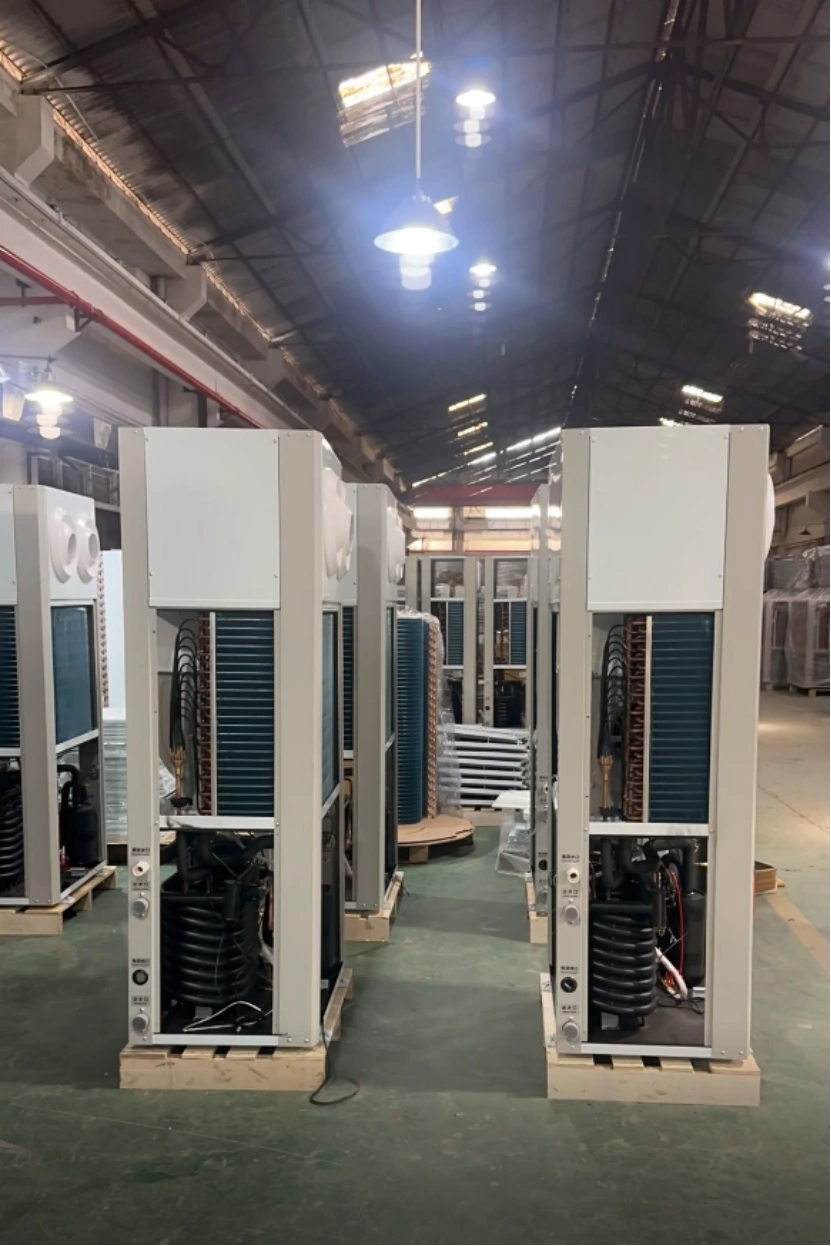
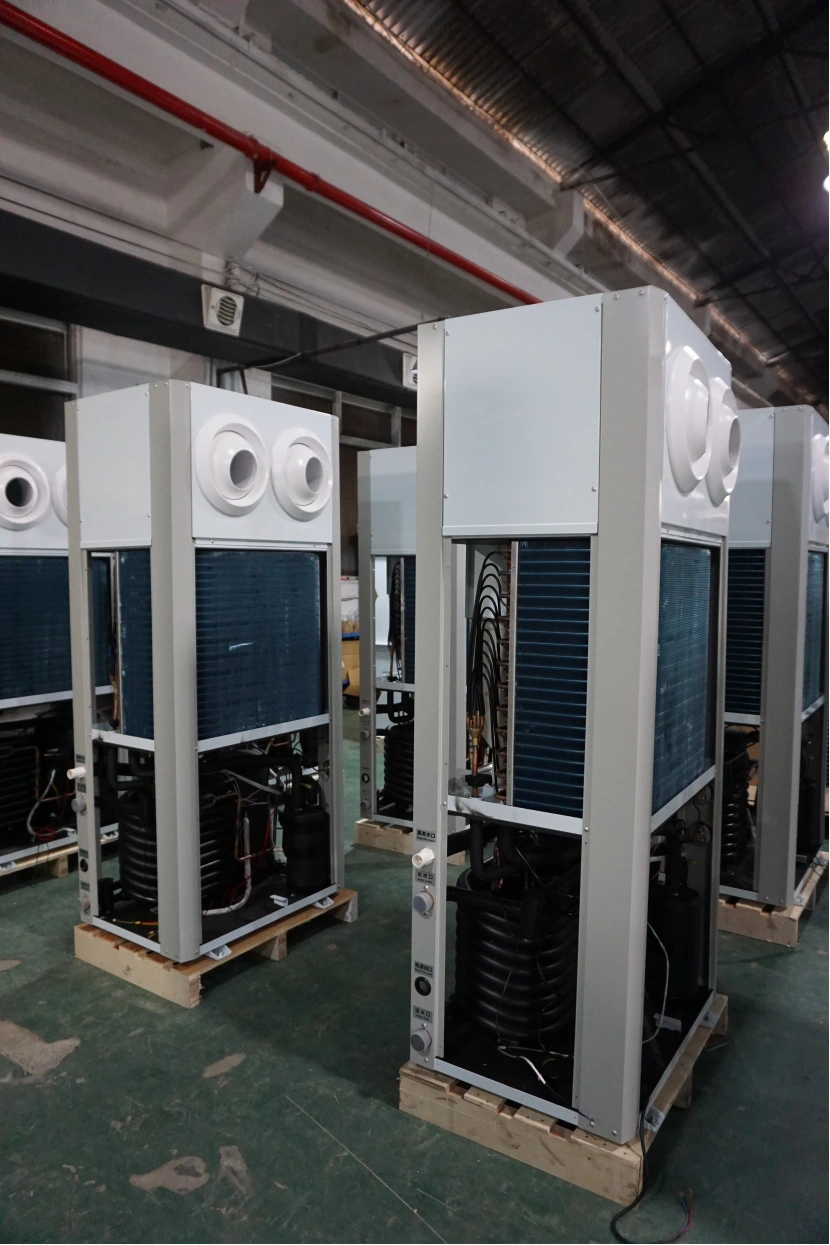
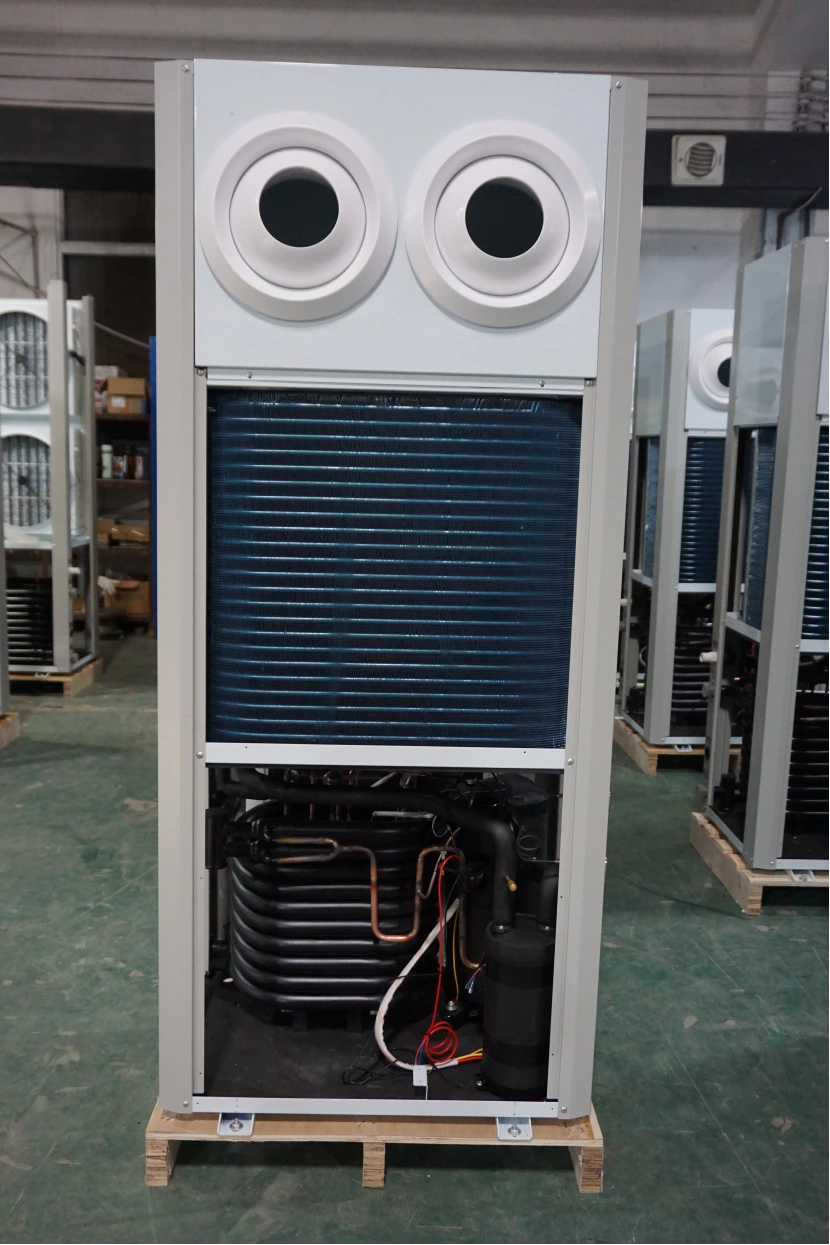
Climatizzatori ad efficienza energetica stanno trasformando il modo in cui vengono raffreddati gli spazi commerciali e industriali. Con l'aumento dei costi energetici e le crescenti preoccupazioni globali sulla sostenibilità, le aziende stanno cercando soluzioni di raffreddamento più intelligenti e più economicamente efficaci. Il punto principale è quello di sapere cosa rende questi sistemi funzionano bene. Inoltre, imparare a prendersi cura di loro per ottenere i migliori risultati.
Cosa rende un condizionatore d'aria efficiente energeticamente?
Ratio di efficienza energetica stagionale (SEER)
La valutazione SEER mostra quanto bene un condizionatore trasforma l'elettricità in raffreddamento durante un'intera stagione. Un numero SEER più grande significa che usa meno energia. I moderni sistemi ad efficienza energetica in genere presentano rating SEER di 16 o superiore, con modelli premium superiore a 20, indicando prestazioni energetiche stagionali superiori. Questo riduce notevolmente lo spreco di energia. I coefficienti di efficienza energetica (EER) vengono utilizzati per misurare le prestazioni in condizioni di funzionamento specifiche, con valori più elevati che indicano un miglioramento dell'efficienza. Questo buon lavoro consente alle persone di ottenere un raffreddamento forte. Allo stesso tempo, mantiene i costi operativi bassi.
Tecnologia dell'inverter
A differenza dei sistemi convenzionali che si accendono e spengono, la tecnologia dell'inverter regola continuamente la velocità del compressore per soddisfare la domanda di raffreddamento. Ciò riduce i picchi energetici, riduce al minimo l'usura meccanica e mantiene temperature interne stabili, con conseguente miglioramento dell'efficienza e una durata di vita prolungata dell'attrezzatura.
Certificazione Energy Star
I condizionatori d'aria certificati Energy Star superano regole rigorose su quanto risparmiano energia. La certificazione Energy Star garantisce che i sistemi di climatizzazione soddisfino rigorosi standard di prestazione energetica senza compromettere la capacità di raffreddamento o l'affidabilità. Lo fanno senza perdere conforto o fiducia. I certificati spesso utilizzano modi migliori per scambiare calore. Scelgono anche refrigeranti amichevoli della terra. Tutto questo riduce il danno al pianeta ancora di più.
Tipi di climatizzatori a risparmio energetico
Condizionatori d'aria portatili commerciali
Condizionatori d'aria portatili commerciali adattarsi a posti flessibili come uffici, negozi o aree di lavoro a breve termine. Le impostazioni permanenti non funzionano lì. DAIHO Ventilation li rende per spazi grandi. Forniscono un forte raffreddamento. La qualità mostra in una vita quotidiana più bella. Queste unità combinano facile movimento con un buon uso di energia. Hanno cose come condensatori idrofili in alluminio. Inoltre, i compressori a oscillazione importati aiutano. Quindi, si raffreddano bene utilizzando meno energia.
Le caratteristiche principali includono:
Struttura compatta con grande capacità di flusso d'aria
Semplice funzionamento adatto ad ambienti variabili
Raffreddamento stabile anche in uso continuo
Si adattano a luoghi di lavoro come laboratori o laboratori. Il controllo costante della temperatura conta. Ma le impostazioni delle stanze cambiano spesso.
Condizionatori d'aria industriali portatili
Condizionatori d'aria portatili industriali si distinguono da quelli domestici per dimensioni e resistenza. Gestisce più aria. Lavorano in luoghi difficili e in lunghe corse. Sono dotati di un condensatore idrofilo ad alta efficienza in alluminio. Anche un compressore oscillante importato ad efficienza energetica ne fa parte. La configurazione è piccola ma muove molta aria. Ciò fornisce un raffreddamento solido e uniforme. La loro costruzione si adatta al lavoro in corso in fabbriche o sale server. Lì, le fermate costano soldi.
I vantaggi di efficienza includono:
Riduzione del carico del compressore grazie allo scambio di calore ottimizzato
Gestione migliorata del flusso d'aria per una distribuzione uniforme della temperatura
Frequenza di manutenzione inferiore grazie ai robusti componenti interni
DAIHO Ventilation, un produttore professionale specializzato in ventilazione industriale e sistemi di raffreddamento ad efficienza energetica, produce tali modelli su misura sia per ambienti commerciali che industriali.
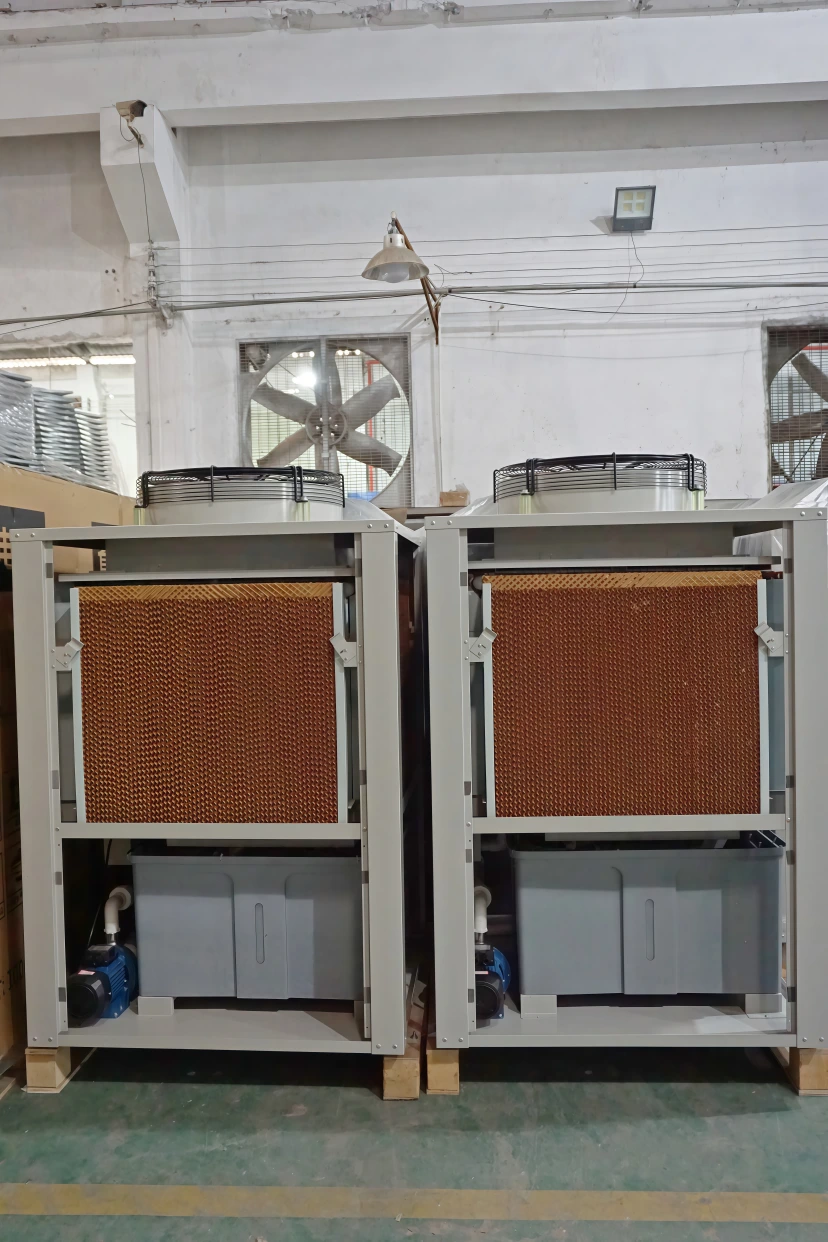
Perché scegliere un climatizzatore ad efficienza energetica?
Bilanci energetici più bassi
Ad esempio, un'unità condizionatrice convenzionale da 10 CV che consuma circa 175 kWh al giorno può portare a spese elettriche significativamente più elevate a lungo termine rispetto a un sistema ad alta efficienza che consuma circa 120 kWh al giorno. In un periodo di sei mesi, la differenza di costo può essere sostanziale, dimostrando i benefici finanziari dell'aggiornamento alla tecnologia di risparmio energetico.
| Tipo di modello | Consumo giornaliero (kWh) | Costo di sei mesi (RMB) |
| AC tradizionale | 175.2 | 36,266 |
| Risparmio energetico AC | 120 | 11,426 |
Impatto ambientale
Meno consumo di energia significa meno gas dalla produzione di elettricità. I buoni sistemi scelgono i refrigeranti che danneggiano meno l'aria. I moderni condizionatori d'aria ad efficienza energetica spesso utilizzano refrigeranti ambientalmente responsabili con un potenziale di esaurimento dell'ozono (ODP) e un potenziale di riscaldamento globale (GWP) inferiori, riducendo l'impatto ambientale complessivo. Non riscaldano il mondo così velocemente.
Migliorato comfort
I nuovi strumenti di controllo mantengono temperature costanti. Non ci sono grandi alti e bassi. La gente si sente anche raffreddata in posti larghi. I sistemi avanzati di gestione del flusso d'aria garantiscono una distribuzione uniforme della temperatura senza correnti fredde o zone termiche irregolari.
Longa durata di vita
Unità efficienti funzionano con meno stress. Quindi, le loro parti resistono meglio. Menori tempi di accensione e spegnimento riducono l'usura dei compressori e dei ventilatori. Questo lo rende un acquisto intelligente che rimborsa in seguito.
Consigli di installazione e manutenzione per massimizzare l'efficienza
Appropriate pratiche di installazione per il risparmio energetico
La giusta configurazione conta molto per raggiungere il pieno risparmio energetico.
Mettilo in un posto con flusso d'aria chiaro intorno.
Tenerlo fuori dal sole diretto o angoli stretti che trattengono il calore.
Usa i professionisti per il lavoro. La configurazione sbagliata può ridurre l'efficienza fino al 30%.
ventilazione DAIHO sottolinea la facilità di installazione nei suoi prodotti. Si installano semplicemente. Anche la manutenzione è semplice. Ciò aiuta a ridurre il tempo di configurazione. Riduce i costi nel corso degli anni.
Pratiche di manutenzione per mantenere il vostro condizionatore d'aria in funzione in modo efficiente
La cura costante fa funzionare bene le cose.
Lavare i filtri di tanto in tanto. Le sporche bloccano l'aria.
Guarda le bobine e le pinne per lo sporco.
Controllare la quantità di refrigerante. Attenzione alle gocce che fanno male al raffreddamento.
Pianifica controlli annuali per i cavi e le parti.
Pulire i filtri dell'acqua spesso per mantenere l'acqua pura nel sistema. Questo impedisce ai blocchi di danneggiare l'unità. Salta questi compiti semplici, e tira più potenza. Le parti possono rompersi troppo presto.
È tempo di aggiornare il tuo condizionatore d'aria?
Se la tua vecchia unità combatte duramente nei picchi estivi caldi, pensaci. O se le bollette aumentano anche con cura, forse scambiarla. I nuovi sistemi fanno meglio. Aggiungono strumenti intelligenti come controlli WiFi e app telefoniche. L'aggiornamento risparmia denaro. Ma corrisponde anche a modi verdi. L’aggiornamento non solo riduce le spese operative, ma si allinea anche con gli obiettivi di sostenibilità a lungo termine.
Per ottenere un miglior risparmio energetico e un maggiore comfort nel vostro spazio, considerare l'aggiornamento a un condizionatore d'aria ad efficienza energetica. Come produttore professionale di ventilazione industriale e sistemi di raffreddamento ad efficienza energetica, DAIHO Ventilation fornisce soluzioni su misura per applicazioni commerciali e industriali.
Domande frequenti
D: Quale valutazione SEER dovrei cercare?
Obiettivo per un SEER superiore ai 16 anni; Le valutazioni più elevate indicano una migliore efficienza stagionale.
Q: Quante volte devono essere puliti i filtri?
Almeno una volta al mese durante i periodi di uso pesante o come raccomandato dal produttore.
Q: Le unità portatili possono raffreddare grandi spazi industriali?
Sì, i condizionatori d'aria portatili industriali sono costruiti appositamente per ambienti ad alta capacità come officine o magazzini.
D: La tecnologia dell'inverter risparmia davvero energia?
Sì, regola dinamicamente la velocità del compressore per evitare sovratemperie inutili.
D: Quando devo sostituire il mio vecchio AC?
Di solito dopo 10-15 anni di utilizzo o quando i costi di riparazione superano la metà del prezzo di un nuovo modello ad efficienza energetica.
 English
  Russian
  Arabic
  Spanish
  French
  Italian