

Industrial Dehumidifiers: Everything You Need to Know
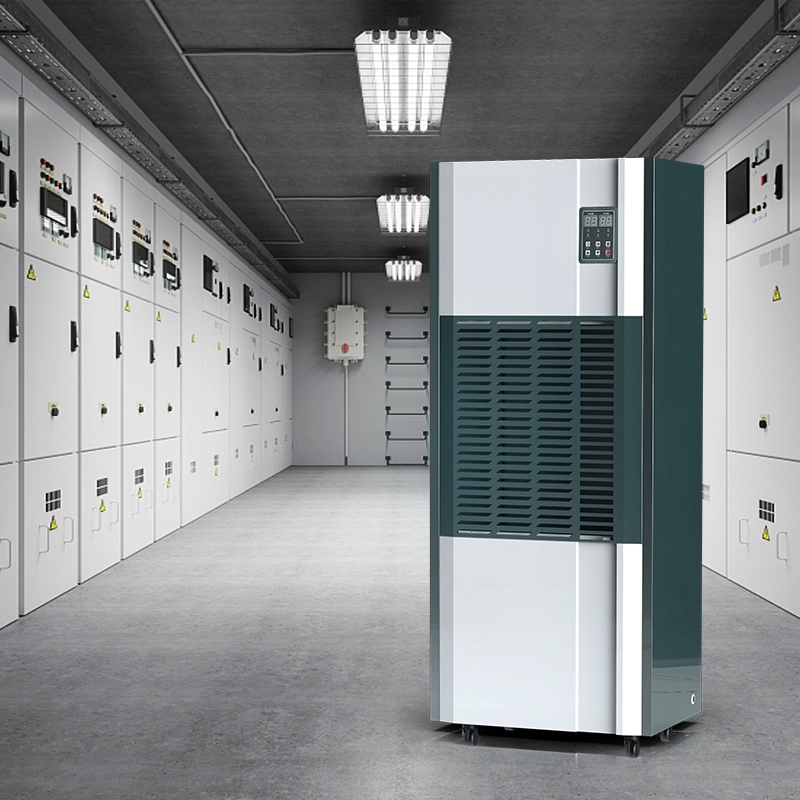
Before you pick or run an industrial dehumidifier, you need to grasp how it affects room temperature, indoor air quality, and overall system efficiency. In factory settings, high humidity can harm machines and product quality. So, the proper dehumidification setup turns into a key piece of building management and daily work.
Types of Industrial Dehumidifiers and Their Applications
Refrigerant Based Dehumidifiers
Refrigerant based dehumidifiers often serve as the main pick for places with lots of moisture and fair temperatures. These devices pull water from the air by chilling it under its dew point. That works well in storage rooms, warehouses, and basic factories. There, drips might ruin goods or gear. They suit areas like paper storage or cloth handling too. Extra dampness there can cause rot or fungus.
Desiccant Dehumidifiers
Desiccant dehumidifiers shine in cool spots or spots that need very dry air. They don’t use chilling. Instead, they use moisture grabbing materials to soak up water. Fields like drug making, cold storage shipping, and food prep need low dew points. They can’t count on room heat to work. Thus, desiccant setups fit those jobs perfectly.
Hybrid Systems
Sometimes, just one type of dehumidifier won’t handle changing conditions. That’s when hybrid dehumidifiers come in handy. They mix both methods. As a result, these units shift with ups and downs in moisture and heat. They help a lot in big buildings with many areas. Or in jobs with changing work schedules that make uneven damp loads.
Specialized Applications Across Industries
Electronics manufacturing: Even small changes in dampness can spark static bursts, hurting delicate wires.
Indoor pools and fitness centers: Too much moisture leads to rust on structures and germ spread.
Cleanrooms: These spots demand strict watch over air purity and relative humidity to keep products safe.
Key Factors When Selecting an Industrial Dehumidifier
Sizing the Unit Based on Environmental Load
You must get the size right. No question about it. Think about room volume, air swaps per hour, and sources of dampness. If it’s too big, it cycles on and off too quick. That wastes power. If it’s too small, it won’t control moisture well. Either way, the system suffers.
Integration with HVAC Systems
A dehumidifier linked well with the HVAC setup spreads air evenly. It also keeps heat and dampness steady all over the building. This cuts down on air pressure issues. So, no spot turns too warm or soggy.
Energy Efficiency Considerations
New industrial dehumidifiers come with power saving features. These include adjustable fans or heat recovery parts. They might cost more at first. But they save on electric bills later. Plus, they ease the load on HVAC systems.
Maintenance Requirements and Accessibility
Simple upkeep matters a ton in big operations. The system should let you reach filters, coils, and electric bits easily. Regular checks stop germ buildup in water trays or coils. That’s a common problem. It can hurt air quality and block air flow.
For jobs that want to match dehumidification with wider air flow plans, DAIHO Ventilation gives flexible air solutions. They pair with moisture control without extra hassle.
Operational Challenges in Industrial Dehumidification Systems
System Fails to Power On or Respond to Controls
This often comes from wiring problems, flipped safety switches, or a broken control board. Checking power cords and panels now and then can skip long stops and surprise fixes.
Inability to Reach Desired Humidity Levels
The unit might be too small. Or the space gets too much fresh air. Leaky pipes can let in outside air too. That messes up the moisture balance. Fixing seals and checking load math usually clears it up.
Excessive Head Pressure During Operation
Blocked air flow causes this. Dirty filters or jammed condenser coils do it. Then, the compressor strains more than it should. Energy use goes up. And machine parts wear out faster.
Enhancing Indoor Air Quality Through Dehumidification Strategies
Role of Humidity Control in Airborne Contaminant Reduction
Keeping relative humidity at 40–60% cuts down on mold, chemical fumes, and tiny bugs like dust mites. It helps make work areas healthier. This matters in spotless factories or health spots.
Synergy Between Air Exchange Rates and Moisture Control
A good air system swaps air enough without pushing up indoor RH too much. When you blend it smartly, you need less from solo dehumidifiers. And you get better air inside.
DAIHO Ventilation has flexible setups. They let buildings mix air flow with moisture control smoothly. This works for all sorts of factory types. From electronics building to food packing rooms that meet standards.
Maintenance Best Practices for Long Term System Performance
Scheduled Filter Changes and Coil Cleaning
Skip these, and air flow clogs up. Moisture pulling drops too. Steady care keeps inside parts working fine. It also makes the machine last longer.
Monitoring Humidity Sensors for Calibration Drift
Sensors can lose accuracy over time. Dirt or use wears them. Checking and resetting them keeps auto systems on point. They adjust RH right.
Groups that put money into steady surroundings often gain from team support. DAIHO Ventilation helps with that. They offer custom tools and advice for ahead of time planning.
Planning for System Upgrades or Facility Expansion
Evaluating Load Changes Due to New Equipment or Layouts
New heat making gear or shifted room plans change air movement and damp making. During growth, you have to check current system power again.
Leveraging Smart Controls for Adaptive Performance
Smart controls tweak things live. They look at people counts, outside weather, or work times. These setups save energy. They hold steady RH in areas. That’s huge for today’s factories. They chase green ways and good output.
FAQs
Q: Can an industrial dehumidifier affect room temperature?
Yes, particularly refrigerant based models may slightly warm the air as a byproduct of their operation.
Q: How often should filters be changed?
Typically every 3–6 months depending on the environment’s dust load and usage frequency.
Q: What is the ideal humidity level for most industrial spaces?
Generally between 40%–60% relative humidity is considered safe for equipment and comfortable for occupants.
Q: Are desiccant systems better for colder climates?
Yes, they operate efficiently even when ambient temperatures are too low for refrigerant based units.
Q: Do I need a separate ventilation system?
Not necessarily—integrated solutions like those from DAIHO Ventilation offer combined ventilation and dehumidification modules tailored for industrial needs.
 English
  Russian
  Arabic
  Spanish
  French
  Italian