

How to Design a Negative Pressure Cooling System with Box Fans and Cooling Pads
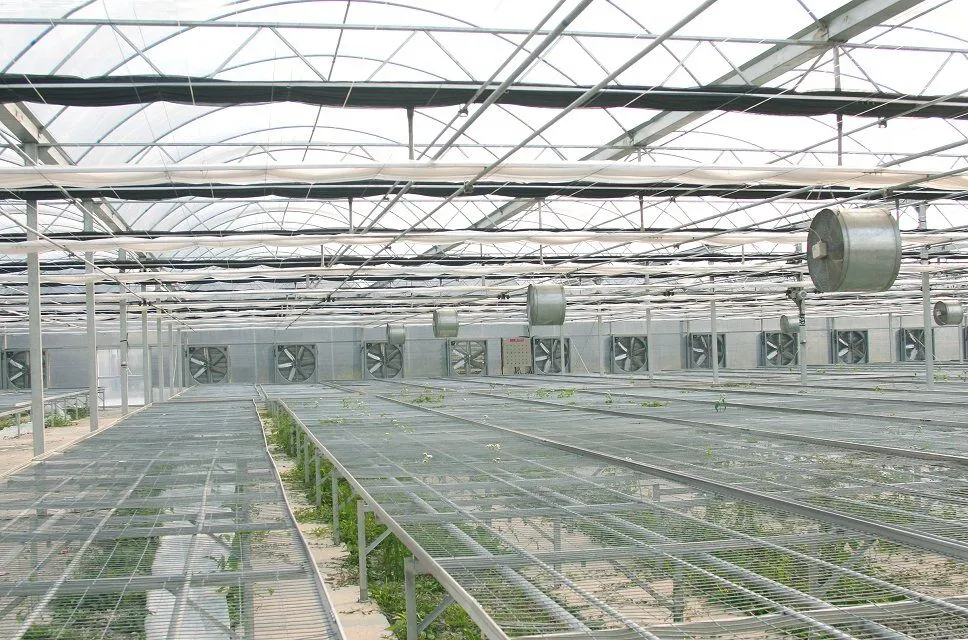
Why Negative Pressure Cooling Matters for Hot Climates
Hot climates bring tough challenges to greenhouses, livestock barns, and factories. Summers mean soaring temperatures, stuffy air, and lingering odors. Add in the pressure from high energy bills, and it’s clear why folks look for smarter ways to cool things down.
A negative pressure cooling system stands out as a solid, cost-effective choice. It pairs box exhaust fans with cooling pads. This approach pulls in fresh air while pushing out the hot stuff, all without breaking the bank on power.
In many greenhouse and livestock projects supported by DAIHO Ventilation, a well-designed negative pressure cooling system is often the key to stable temperature and energy savings. It’s about getting the basics right from the start.
How a Negative Pressure Cooling System with Box Fans and Pads Works
Basic Principle: From Fresh Air Inlet to Hot Air Exhaust
Air enters through the cooling pads on one side. Box exhaust fans pull it across the room, creating negative pressure ventilation. As air passes over the wet pads, it cools down before getting exhausted out.
Exhaust fans drive this air flow path. Fresh air picks up moisture, drops in temperature, and sweeps away heat and smells. Simple, yet effective.
Role of Box Exhaust Fans and Drop Hammer Design
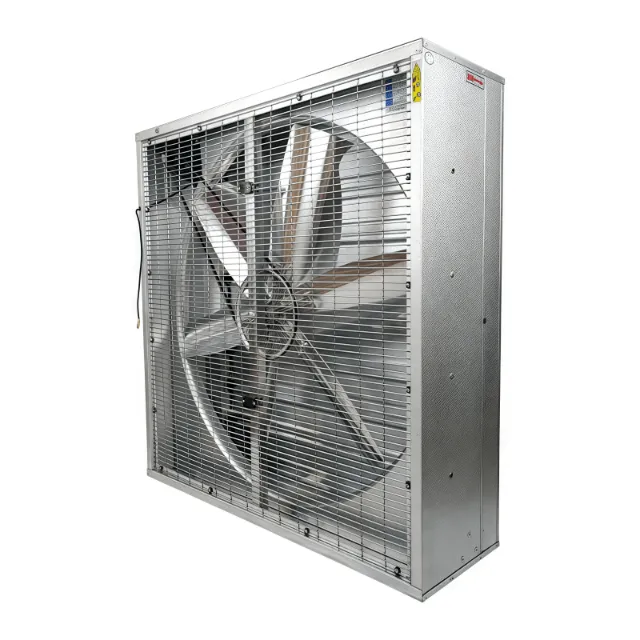
Box exhaust fans pack a punch with high airflow. They come with shutters that close automatically when off, keeping out rain and backdrafts. Drop hammer exhaust fan designs add reliability in tough spots.
Galvanized box fan materials stand up to corrosion. These fans suit barns or greenhouses where you need steady pull without fuss.
Role of Cooling Pads in Evaporative Cooling
Cooling pad system uses water evaporation to chill incoming air. Pads soak up water, and as air rushes through, heat turns to vapor. Expect a drop of 10 to 20 degrees Fahrenheit, though humidity levels play a big role.
Key Components of a Negative Pressure Cooling System
Box Exhaust Fans (Wall-Mounted Fans)
Mount these on end or side walls. They draw air out, keeping negative pressure steady. Look at diameter, CFM ratings, power draw, and materials like galvanized shells or aluminium alloy impellers.
Industrial wall exhaust fan options vary. A galvanized box fan or heavy-hammer exhaust fan handles the load in big spaces.
A typical DAIHO Ventilation galvanized box fan, for example, is designed to deliver high airflow at low static pressure for negative pressure systems in barns and greenhouses. It keeps things moving without overworking.
Cooling Pads and Water Distribution System
Evaporative cooling pads often use cellulose, with thicknesses like 4 or 6 inches. Aim for about 250 CFM per square foot on a 4-inch pad.
Water circulation system ties it all in. Pumps cycle water, cutting down on fresh supply needs.
Fresh Air Inlets and Building Envelope
Beyond pads, fresh air inlet spots ensure enough ventilation openings. Skip this, and air might short-circuit, ruining the flow.
Building envelope seals matter too. Gaps let in unwanted drafts, messing with pressure balance.
Controls: Temperature, Humidity and Staging
Thermostat control kicks in fans stage by stage. Humidity control prevents soggy air by delaying pump start. Staged ventilation saves energy. Fans ramp up first, then pads join when needed.
Step-by-Step: How to Design a Negative Pressure Cooling System
Design negative pressure cooling system starts with basics. Fan and pad design plus box fan cooling system follow logical steps.
Step 1 – Define Your Space and Cooling Target
Measure up: length, width, height. Note the use—greenhouse size, livestock barn, or industrial workshop. Factor in peak outdoor temps and desired indoor levels.
Cooling requirement varies. Greenhouses might aim for 75°F inside when it’s 95°F out. Barns focus on animal comfort.
Step 2 – Calculate Required Airflow (CFM) and Air Changes
For greenhouses, start with 8 CFM per square foot of floor. Livestock or factories? Use air changes per hour—say, 20 to 60 depending on density.
Airflow calculation gives total CFM. Fan capacity matches that. Barns might need 10-15 CFM per animal, workshops 5-10 per square foot.
Step 3 – Select Box Fan Size and Quantity
Total CFM divided by single fan output. A 50-inch box exhaust fan might push 20,000 CFM at 0.1-inch static pressure.
Heavy-hammer exhaust fan size comes in 54-inch too. Fan capacity calculation ensures you don’t undersize.
Step 4 – Size the Cooling Pad Area
Cooling pad sizing uses pad ratings. 4-inch cellulose pad handles 250 CFM per square foot; 6-inch up to 350.
Pad area calculation: divide total CFM by that number. Evaporative cooling pad area keeps air speed right.
Step 5 – Plan Layout: Fan Wall, Pad Wall and Air Path
Fan wall layout at one end, pad wall opposite. Negative pressure ventilation design needs distance—say, 100 feet minimum—to avoid shortcuts.
Air flow pattern stays even. Clear paths, no blocks.
Step 6 – Design Water and Control System
Water pump sizing: about 0.5 GPM per foot of pad length. Cooling pad water supply loops back via sumps. System controls sequence: fans first, then pumps. Matches local climate quirks.
Design Tips for Different Applications
Greenhouse cooling system, poultry house ventilation, or factory negative pressure cooling each have tweaks.
Greenhouses
Focus on even temps and light. Greenhouse fan and pad system avoids direct blasts near pads. Plants hate uneven spots. Greenhouse cooling pad placement considers sun angles too.
Poultry and Livestock Barns
Animal density drives needs. Poultry house ventilation tackles ammonia; livestock barn cooling keeps humidity low.
Negative pressure barn ventilation forms air channels at animal level. Birds or cows breathe easier that way.
Industrial Workshops and Warehouses
Workers want comfort, dust out. Industrial ventilation with factory cooling system might add roof vents.
Box exhaust fan for workshop pulls odors fast. Local exhaust for machines helps too.
For example, in some projects, installers have combined DAIHO Ventilation box exhaust fans with high-efficiency cellulose pads to retrofit old workshops into negative pressure cooling systems. It transforms stale spaces.
Common Mistakes That Kill Negative Pressure Performance
Negative pressure system problems crop up easy. Fan and pad troubleshooting fixes box exhaust fan airflow issues.
Not Enough Inlet or Pad Area
Insufficient pad area chokes flow. Inlet restriction causes airflow loss; fans strain without pulling enough.
Poor Layout: Short-Circuiting Between Fans and Pads
Air short-circuiting happens if fans sit too close to pads. Wrong fan placement lets doors or windows bypass the system.
Obstacles and Dirty Equipment
Blocked airflow from shelves or walls hurts. Dirty cooling pad clogs up; exhaust fan maintenance keeps shutters free.
Ignoring Humidity and Control Strategy
High humidity builds if pads run non-stop. Poor control settings ignore evaporative cooling limitations in muggy weather.
Simple Checklist Before You Build Your System
Negative pressure cooling system checklist ensures smooth build.
1. Have you calculated total CFM and needed fan count?
2. Is cooling pad area based on recommended CFM per square foot?
3. Does fan wall and pad wall have enough spacing?
4. Do inlets and doors avoid short circuits?
5. Water system and controls factor in local water quality, weather?
Conclusion
Negative pressure cooling system with box exhaust fan with cooling pad delivers efficient ventilation and cooling. Start with airflow and pressure design, then pick fans and pads.
This setup fits greenhouses, barns, and factories. Stick to principles, and it works across scenes.
FAQ
Q: What is a negative pressure cooling system?
A system where box exhaust fans pull air out of a building, creating negative pressure that draws fresh air through cooling pads for evaporative cooling.
Q: How do box fans work in a negative pressure system?
Box fans create strong exhaust airflow, maintaining negative pressure and forcing cooled air from evaporative pads to move across the space.
Q: How do I size cooling pads for a fan-and-pad system?
Divide the total airflow (CFM) by the recommended pad face velocity—typically 250–350 CFM/ft²—to determine required pad area.
Q: What causes poor performance in negative pressure cooling?
Common issues include insufficient inlet area, blocked airflow, dirty pads, fans installed too close to pads, and air short-circuiting.
Q: What buildings use box-fan cooling pad systems?
They are widely used in greenhouses, poultry houses, livestock barns, workshops, and warehouses needing high-volume, energy-efficient cooling.
 English
  Russian
  Arabic
  Spanish
  French
  Italian