

Best Ceiling Fans for Efficient Air Circulation in 2025
In 2025, buildings focus more on energy savings and comfort. Trends show smarter designs that cut power use while keeping spaces livable. Air circulation plays a big role here. It balances temperatures, drops energy bills, and boosts overall feel good vibes in rooms.
Good airflow mixes warm and cool spots, easing the load on heating or cooling systems. This means less waste and more even comfort. The right ceiling fan can redefine how efficiently your space breathes.
How Ceiling Fans Improve Air Circulation Efficiency
Ceiling fans do more than spin blades. They push air around to make rooms feel better.
The Basics of Ceiling Fan Principles
Fans boost air mixing. This cuts down on hot layers near the ceiling. In summer, they lighten the AC’s job by creating a wind chill effect. Come winter, reverse the spin to spread heat down from above.
Such moves raise HVAC efficiency. Less energy gets used when air flows right. Comfort spikes too, as spots don’t feel stuffy or drafty.
Comparing Air Circulator Fans to Standard Ones
Air circulator ceiling fans stand out from regular models. They focus on strong, directed airflow. Standard fans might just stir air lightly in a small area. Circulators, though, create broader movement.
Think of it like this: a standard fan spreads air horizontally, kind of like a gentle breeze across a table. An air circulator acts more like a vertical tower, pushing air up and down for full room coverage. This difference shows in how well they handle bigger spaces or uneven temps.
Sometimes folks overlook noise levels here. Circulators often run quieter at high speeds, which matters in quiet homes.
DAIHO Ventilation’s air circulation ceiling fans are engineered to maintain stable indoor climates with minimal energy use.
HVLS Ceiling Fans: The New Standard for Large Spaces
HVLS stands for High Volume Low Speed. These fans change the game for big areas.
What Makes HVLS Fans Work
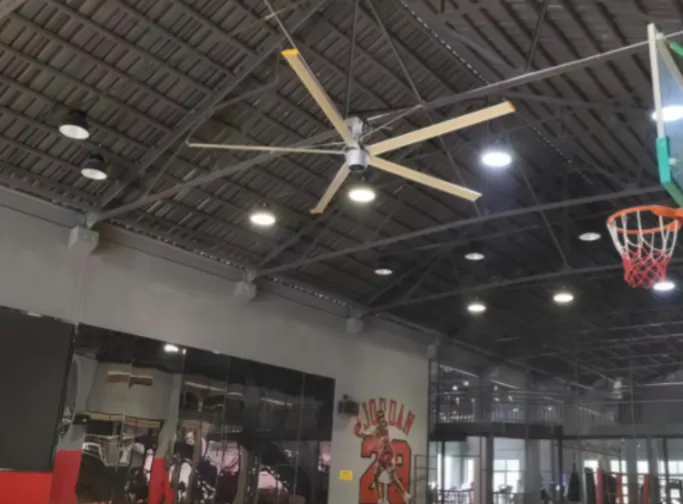
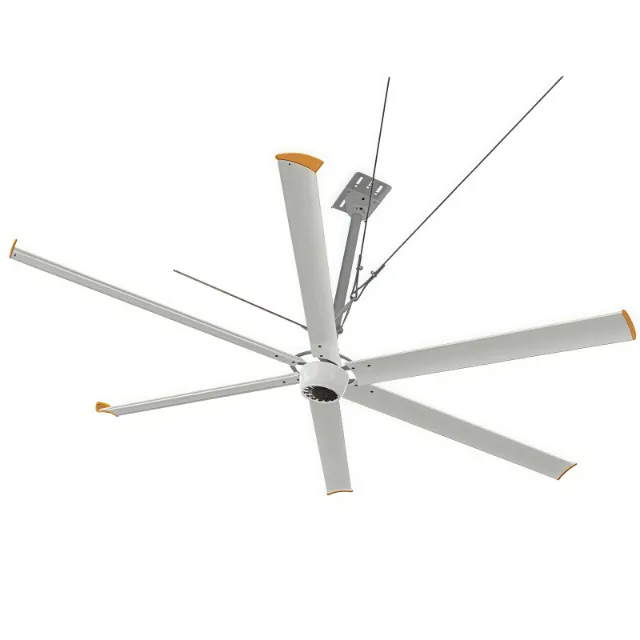
HVLS fans have huge blades, from 10 to 23 feet across. They turn slow but move tons of air. This covers wide spots like factories, warehouses, gyms, or showrooms.
The slow speed keeps noise down. Yet the airflow reaches far, mixing air without harsh gusts.
HVLS vs. Traditional Ceiling Fans
Traditional fans spin fast but cover less ground. They use more power for the same job in large spots. HVLS models push higher air volume with lower energy – often cutting costs by a lot.
Noise? HVLS wins there too. Traditional ones buzz louder at full blast. In energy terms, one HVLS can replace several smaller fans, slashing bills.
Why HVLS Leads in 2025 for Big Ventilation
By 2025, energy rules tighten. HVLS fits perfect as a green choice. They pair well with HVAC, dropping cooling needs by 30% to 50% in some cases. Warehouses see quick payoffs from lower power draws.
Not just savings – comfort rises for workers in hot spots. These fans handle tough environments better.
As a leading manufacturer, DAIHO Ventilation offers HVLS ceiling fans designed for large scale air circulation with premium build quality and quiet operation.
Choosing the Right Air Circulator Ceiling Fan for Your Space
Picking a fan isn’t one size fits all. Match it to the spot.
Selection Guide by Scenario
For homes or offices, go for quiet models with sleek looks. Noise can bug folks during calls or rest. Designs blend into decor now, like matte finishes or slim profiles.
Commercial spots need big airflow and wide reach. Think retail or cafes where crowds build heat.
Industrial areas, like warehouses or hot workshops, call for HVLS or explosion proof types. These handle dust, moisture, or high temps without failing.
Key Features: Materials and Controls
Look at aluminum blades for durability – they resist bends and last longer. Brushless motors run smooth and efficient, cutting power use.
Smart controls shine here. IoT links let fans adjust via apps. Temperature sensors kick in automatically.
2025 Smart Fan Trends
This year, trends lean to energy smart designs. Fans integrate with home systems for voice commands or schedules. Bold colors pop up too, like black or metallic, for style points. Minimalist shapes keep things clean but powerful.
Air circulation gets a boost from bladeless options, quieter and safer. Some even sterilize air as they spin. It’s all about blending tech with everyday ease.
Maintenance & Longevity Tips for Ceiling Fans
Fans last longer with care. Skip it, and problems crop up.
Why Regular Upkeep Counts
Clean blades often to ditch dust buildup. This keeps airflow strong and cuts wobbles. Check motors for odd sounds – a hum might mean trouble.
Balance tests help too. Loose parts shake things up, wearing out faster. Do this every six months or so.
HVLS models need less fuss. Their big builds mean fewer breakdowns, but still wipe them down.
Low Maintenance for HVLS
These fans boast sealed motors, so no constant oiling. Durability comes from quality parts, stretching life to 10-20 years with basic checks.
Energy Savings and ROI: Why Efficiency Pays Off
Efficient fans cut costs over time. Data backs this up.
Real Savings Potential
HVLS fans can trim cooling energy by 30%-50%. They mix air so HVAC runs less. In warehouses, this adds up fast.
Pair them with smart strategies, like auto adjust for temps. Savings hit even higher.
Calculating Return on Investment
Payback comes quick – often in 1-2 years for big setups. Lower bills and less upkeep stack the wins.
One case: a factory swapped to HVLS and dropped power use by 20% yearly. It’s not just numbers; workers stay cooler, boosting output.
A single DAIHO Ventilation HVLS fan can replace multiple smaller units, cutting both energy and maintenance costs.
Conclusion: Air Circulation That Defines Modern Comfort
Ceiling fans balance savings and ease like an art form. They make spaces breathe better, saving cash along the way.
Keep an eye on air tech in future builds. It shapes how we live and work, one spin at a time.
FAQ
Q: Why does air circulation matter in 2025 buildings?
It balances temperatures, cuts energy use, and boosts comfort in energy saving designs.
Q: How do ceiling fans improve HVAC efficiency?
They mix air to reduce hot layers, lighten AC loads in summer, and spread heat in winter.
Q: What makes HVLS fans ideal for large spaces?
Big blades (10–23ft) move high air volume at low speed, covering wide areas with low noise and energy.
Q: How do I choose a ceiling fan for my space?
Home/office: pick quiet, stylish models. Commercial/industrial: focus on airflow and coverage. Use HVLS for warehouses.
Q: What energy savings can HVLS fans deliver?
They can cut cooling costs by 30%–50% and pay back in 1–2 years.
 English
  Russian
  Arabic
  Spanish
  French
  Italian