

5 Tips for Choosing the Right Air Conditioning System for Your Factory
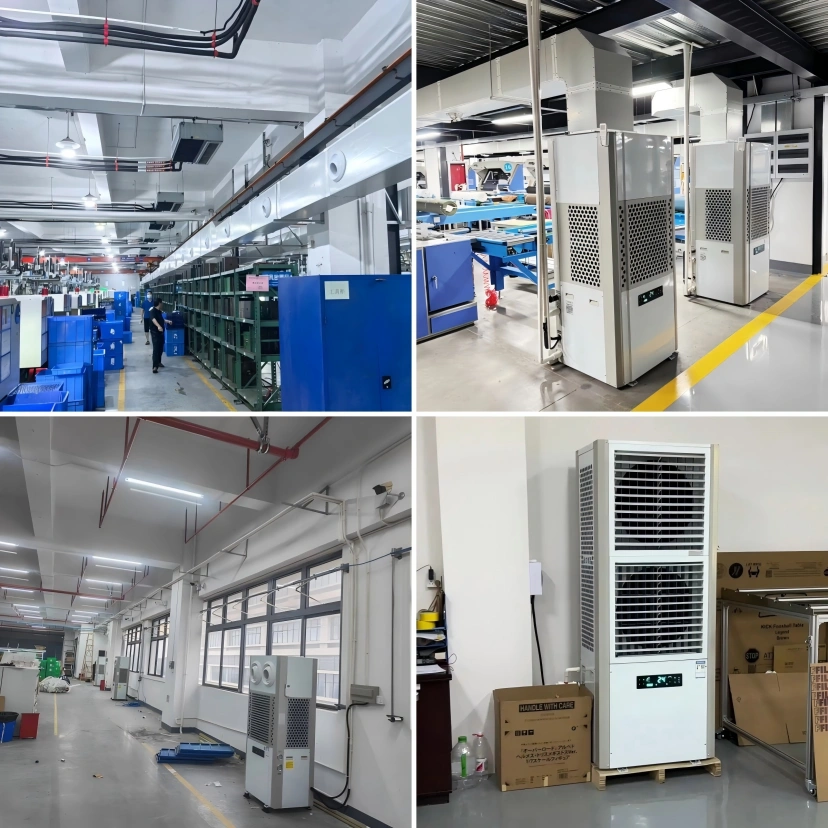
A well-managed indoor climate goes beyond basic comfort. It plays a vital role in keeping production running smoothly, ensuring product quality, and protecting worker safety. Factory environments often face uneven temperature distribution, high humidity levels, and poor airflow. Choosing the right climate control system can turn these challenges into measurable improvements in productivity and cost efficiency.
Common Problems in Factory Halls
Factory environments present complex operating conditions where heat, moisture, and floating particles mix all the time. Machines produce warmth. Workers contribute to increased humidity and CO₂ levels. Materials can give off dust or vapors. Without good cooling systems, these elements might cause machines to overheat, lower production, and create health problems for employees.
Many plants still use old air conditioning systems. These systems consume excessive energy yet fail to provide steady cooling. Sometimes, ducts suffer from bad designs or blockages from machine setups. Other times, certain hot areas exist that regular AC units can’t reach well. This results in reduced workplace comfort and bigger running costs.
5 Tips for Choosing the Right Climate Control System
Before buying new gear, understand the specific requirements of your factory area. Here are five useful steps to support informed decision-making.
Analyzing the Current Situation in Your Factory
Begin by checking how your present air conditioning system works during normal tasks. Are there areas experiencing excessive heat? Does energy consumption increase in busy times? Spotting these weak points sets a starting point for fixes.
Look for:
- Uneven temperature zones or persistent hot spots.
- Equipment overheating or frequent shutdowns.
- Rising electricity bills despite regular maintenance.
It is also important to consider the age of your current units too. Older ones might miss out on new power-saving features. Traditional air conditioners rely on a wind-cooled heat exchange mode. This method is less efficient. It harms cooling results and increases compressor load as time passes.
Defining Your Needs and Requirements
The next step is to clearly define your factory’s cooling requirements. The building’s size and shape decide the needed air movement. A setup with many zones may call for spread-out cooling systems. Open spaces might do better with one main unit.
Budget planning is equally important. Weigh the starting price against ongoing fees. For example, DAIHO Ventilation systems offer strong cooling with much less power use. This helps reduce operational costs while keeping steady work. These efficient types can pay back the first cost through lower power bills.
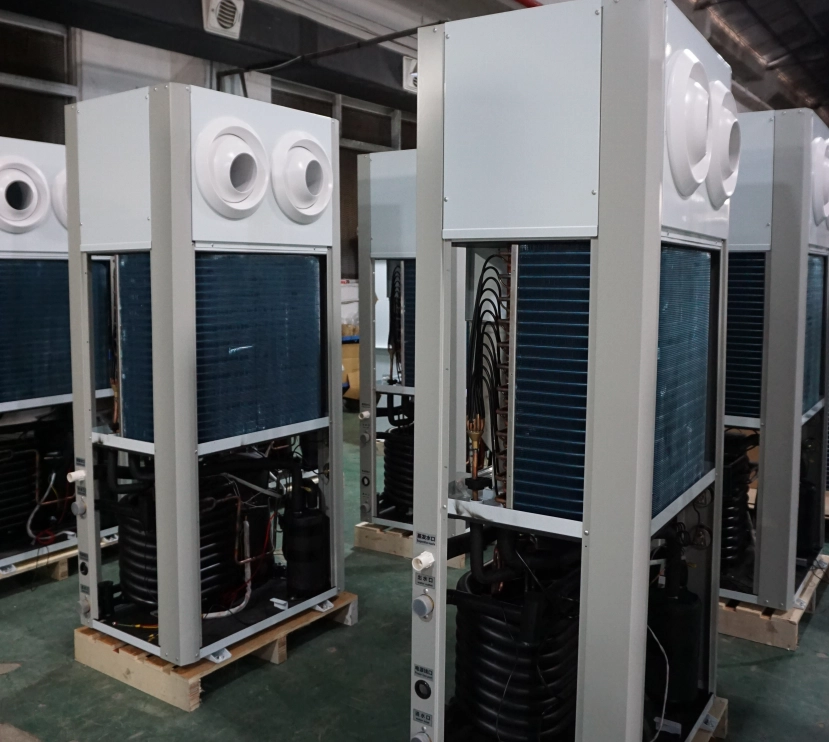
Types of Air Conditioning Systems for Factories
As you look at choices, you will encounter various types of industrial air conditioning systems:
Centralized vs Decentralized Systems
Centralized systems suit big plants that need even temperatures over many areas. Decentralized units offer flexibility for targeted areas, such as assembly lines or storage rooms.
Modern Alternatives vs Traditional Units
The DAIHO Ventilation evaporative energy-saving air conditioner applies a condensation heat exchange mode. It pairs water cooling as the primary way with wind cooling as a backup. This mixed style improves heat shift significantly reducing energy consumption. These numbers show how switching to smart power-saving tech can deliver substantial cost savings in the long run.
Considering Energy Consumption and Efficiency
Energy consumption and system performance should be key considerations of your choices. Seek systems with approved scores that match actual factory conditions. Consider systems with advanced energy-saving features with DAIHO Ventilation. It comes with China Energy Conservation Certification and Energy Efficiency Labeling. These approvals confirm they meet country rules for environmentally sustainable operation.
Green options lower pollution and fit company goals for the environment. The smart setup of DAIHO Ventilation’s compressors mixes water cooling, air cooling, and compression refrigeration. This forms a steady loop that reduces energy loss and raises output performance.
Potential energy savings can be estimated with this basic method:
- Compare current monthly energy usage.
- Estimate new system EER improvements.
- Multiply expected savings percentage (e.g., 40–60%) by total consumption cost.
With time, these amounts grow a lot, both for the planet and your wallet.
Gathering User Experiences and Reviews
Real user experience often provides more insight than technical specifications. Chat with others who’ve set up like systems in similar spots. Web comments often share details on dependability, upkeep simplicity, or support after purchase that ads skip. Expert advice helps a ton too. HVAC pros can model air flows in your plant with computer tools. They suggest best spots and sizes for units. Some folks say built-in perks like WiFi tracking make daily checks easier. Operators can tweak controls from afar without halting work lines.
Conclusion
Picking the proper climate control system means more than getting equipment. It builds a steady space where ensures optimal working conditions and reliable equipment operation. From spotting old flaws to choosing green tech like DAIHO Ventilation air conditioners widely applied in comfort-demanding environments such as hotels, shopping malls, airports, hospitals, factories, each part adds to lasting wins in output and green practices.
DAIHO Ventilation stands out as a professional manufacturer specializing in industrial ventilation and high-efficiency cooling solutions—from intelligent power-saving air conditioners to advanced dehumidifiers—all engineered to improve airflow quality and operational stability across diverse industrial settings.
FAQs
Q: What is the most energy-efficient type of factory air conditioning system?
Systems using evaporative condensation technology generally provide higher EER values than traditional wind-cooled models.
Q: How often should industrial AC units be serviced?
Regular inspection every three to six months ensures optimal performance and extends service life.
Q: Can one system handle both cooling and dehumidification?
Yes, many modern integrated units include dual functions for temperature control and moisture removal.
Q: What factors affect AC sizing for factories?
Building volume, machinery heat output, insulation quality, and occupancy all influence capacity requirements.
Q: Are mobile air conditioners suitable for temporary setups?
Absolutely—they offer flexible installation options ideal for workshops or seasonal production areas without permanent infrastructure needs.
 English
  Russian
  Arabic
  Spanish
  French
  Italian