

How to Choose the Best Ventilation System for Poultry Houses
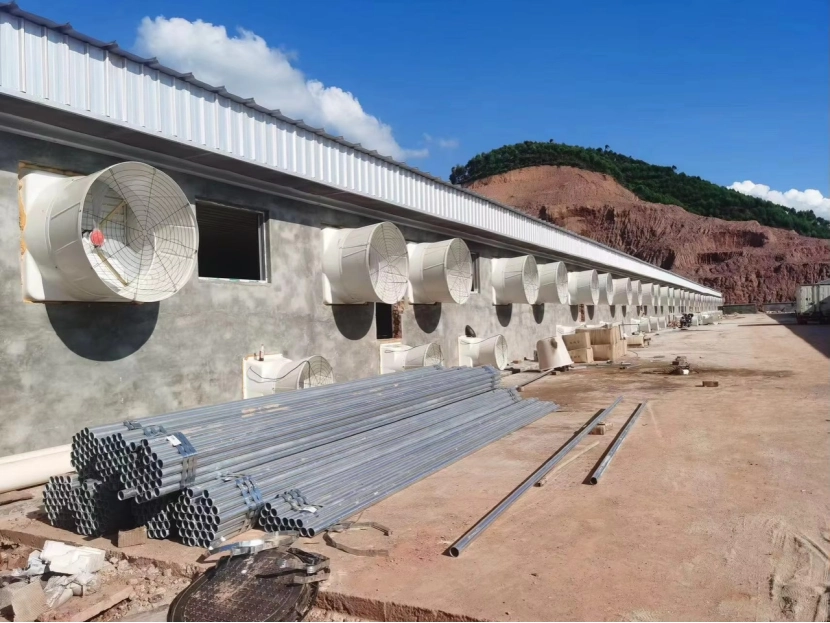
Picking a good ventilation system for a chicken house isn’t only about putting in fans. It’s about matching environmental control with bird health, energy savings, and lasting output. The top system relies on your building’s layout, your local weather, and how many birds you have. A bad match can cause bad air quality, spotty temperatures, and bigger running costs. So, how do you pick the right one? Let’s go through it step by step.
Key Factors in Selecting a Poultry House Ventilation System
Assessing Poultry House Design and Structure
The setup of a chicken house lays the base for good airflow handling. Is your house a closed tunnel type with vents or an open-sided one? Sealed houses with solid insulation and tight seals work better for negative pressure setups. These rely on no leaks to make steady airflow.
Direction plays a small but key role. Houses facing east-west can cut down on sun heat during busy times. This helps avoid big temperature jumps.
Inside, the arrangement impacts airflow paths. Things like feed lines or dividing walls can mess up even air spread. When checking the structure, make sure air has a clear path from entry to exit.
Considering Climate and Environmental Conditions
Weather sets what ventilation you need. In warm, damp areas, quick air swaps are vital to clear out extra wetness and heat. Here, setups like exhaust fan stand out. DAIHO Ventilation’s EC motor FRP industrial exhaust fan is engineered for high-volume ventilation in demanding environments such as factories, poultry houses, and greenhouses.
In chilly spots, the goal moves to cutting drafts while bringing in fresh air without cooling the birds too much. Positive pressure setups, which send air into the building, often get used here to stop wetness buildup.
Think about changes with seasons too. A solid system should adjust through the year. Fans with changing speeds and auto entries can aid with this bendability.
Evaluating Flock Size and Bird Density
Ventilation needs grow with bird counts. More crowded spots call for bigger air swaps to stop ammonia piles and keep oxygen right.
As birds get bigger, their heat goes up. A system has to match its power to that. This is where setups like variable-speed fans, which can be achieved via 0-10VDC or RS485 serial communication, become crucial. They let you tweak based on current needs.
Even airflow over the whole house makes sure no spot turns hot or, even worse, stays still with old air.
Comparing Ventilation System Types for Poultry Houses
Features of Negative Pressure Systems
These get used a lot in today’s chicken farms because they handle airflow well. Negative pressure setups use exhaust fans to draw air through placed entries. This kind of fan fits sealed spots where steady airflow patterns matter a ton.
In hot weather, they do great at pulling in cooler outside air while pushing out warm inside air. The setup makes even airflow patterns that boost bird ease and cut sickness risks.
Characteristics of Equal Pressure Systems
These try to even out intake and exhaust airflows. They suit mild weather or houses with natural venting.
But keeping pressure even can be tough. Shifts in wind or wrong fan settings can upset this balance. That leads to spotty venting areas.
They show up less in busy chicken ops due to these issues. Still, they help in certain local setups.
Advantages of Positive Pressure Systems
By pushing air into the house with fans or blowers, positive pressure setups cut the chance of back flows and unwanted outside air leaks. This helps in cold times.
Yet they often have trouble with even airflow spread unless planned with inside mixing helpers. Without those, bits of old air can stick around.
Mechanical Components That Influence Airflow Efficiency
Role of Exhaust Fans in Air Exchange
Exhaust fans form the core of most chicken venting systems. Right sizing is key. Fans must hit the needed air changes per hour based on house size.
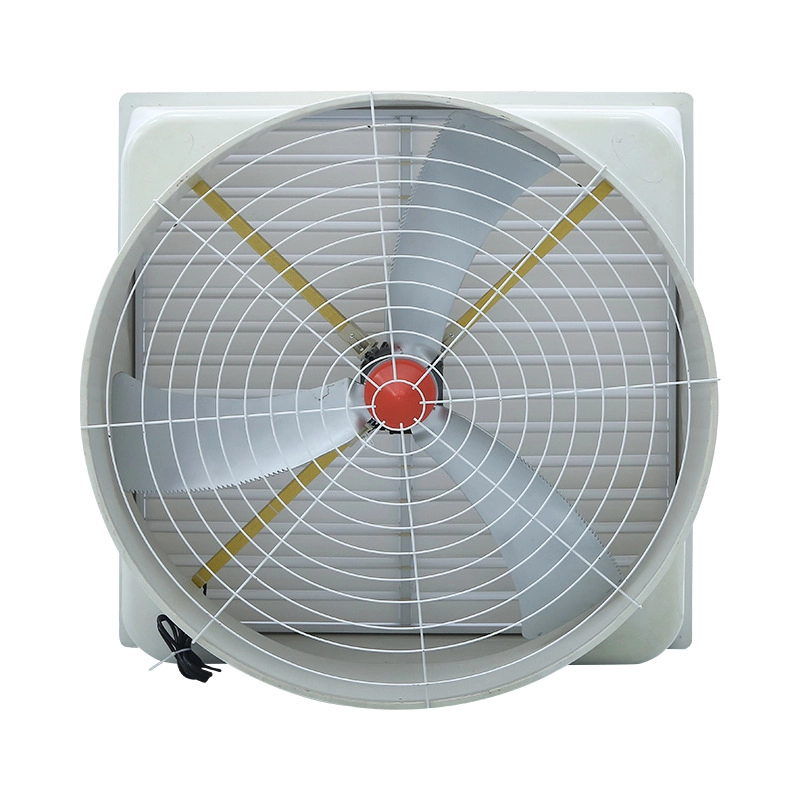
Where you put them counts too. Spread fans along walls or end parts to avoid still spots. The aerodynamic cone design improves air extraction efficiency while reducing energy usage. Items like DAIHO Ventilation’s FRP fans mix strong work with low power use. That’s big for ongoing savings.
Power-saving models not only trim electric bills but also lessen harm to the surroundings. That’s a rising worry for today’s farm folks.
Function of Air Inlets and Distribution Systems
Entries control both the amount and path of coming air. Their build should help blend with warm inside air to dodge cold blasts near birds.
Auto entry setups react to sensor info. They change openings based on heat or damp levels. This keeps best venting without hand tweaks.
Smart placement along sides or tops ensures spread all through the chicken house.
Integration of Circulation Fans for Air Movement Uniformity
Circulation fans don’t bring new air. But they boost inside motion. They blend layers of hot and cold air. This evens out temperature differences from ground to roof.
Air re-circulation can make the heat evenly distribute in the greenhouse which is conducive to the average growth of crops in different locations.” In chicken houses, this idea helps cut bedding wetness and stop hot areas that cause heat worry.
DAIHO Ventilation has various models like hanging circulation fans that are simple to set up and keep. They’re great for updating older spots.
Matching Ventilation Strategy to Poultry Production Goals
Aligning System Selection with Bird Health Objectives
Birds need clean air. Not just full of oxygen but clear of bad gases like ammonia and CO2. A good venting system clears these out while holding steady temperatures and damp levels.
High dampness breeds breathing ills; too low and dust jumps. An even system backs immune work by keeping heat stress low and settings steady.
Balancing Energy Efficiency with Performance Requirements
Power use differs a bunch across system kinds. High-saving brushless motors can slash costs over time.
Changing-speed fans speed up during busy times and slow in calm ones. This cuts wear while saving power.
Smart controllers watch surroundings right then. They tweak fan speeds and entry openings auto for best work.
Practical Considerations Before Implementation
Budget Constraints and Return on Investment Analysis
Starting costs vary. High-saving systems might cost more at first but pay back through power savings and less upkeep.
Systems like those from DAIHO Ventilation use tough materials. The fan blade is die-cast with aluminum alloy as a whole high strength low noise. This ensures they last and need fewer swaps.
Better bird care often means improved feed use and fewer deaths. Both hit the profit line.
Compatibility with Existing Infrastructure or Planned Expansions
Updating old chicken houses? Pick systems that are piece-by-piece or easy to add. If growing is coming, choose setups that scale well. They should fit smoothly with auto climate controls like heaters or cooling pads.
DAIHO Ventilation focuses on such blended options across fan types, cooling gear, and power-saving controllers. They’re made for today’s farm needs.
FAQs
Q1: What’s the best ventilation system for hot climates?
Negative pressure systems combined with high-volume exhaust fans are typically most effective.
Q2: Can I retrofit an old poultry house with modern ventilation?
Yes, many systems are designed for easy retrofitting. Look for modular units like DAIHO’s circulation fans with prepared hanging points.
Q3: How does bird density affect my ventilation setup?
Higher bird density increases heat and moisture load, requiring greater air exchange capacity and more precise airflow control.
Q4: Are variable-speed fans worth the investment?
Absolutely—they reduce energy use during low-demand periods while extending equipment life through softer operation curves.
Q5: How do I prevent cold drafts near chicks?
Use positive pressure or mix incoming cold air with warm internal air using circulation fans before it reaches floor level.
 English
  Russian
  Arabic
  Spanish
  French
  Italian