

The Pros and Cons of Central Exhaust Systems in Pig Barns
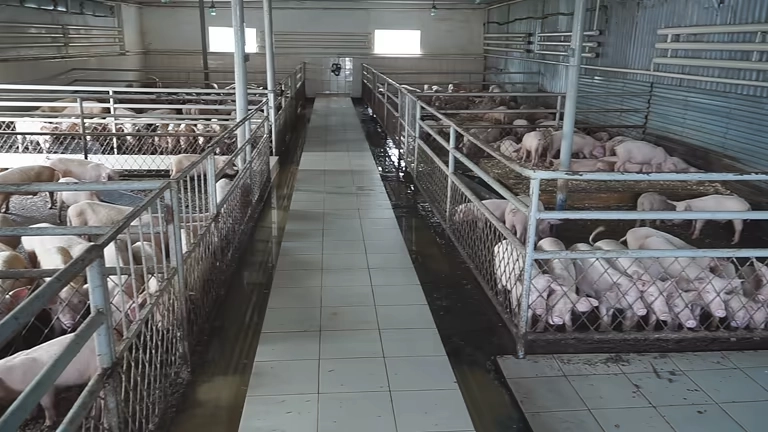
Good barn ventilation matters a lot for animal care and keeping emissions in check in today’s pig farming. A main air setup gives a smart way to manage airflow. But it has some downsides too. These setups offer easy air handling and maybe some energy cuts. Yet they cost more at the start and rely heavily on the whole system. Knowing these points helps you see if this fits your farm’s needs and limits.
Overview of Central Exhaust Systems in Pig Barns
Purpose and Functionality of Central Exhaust Systems
A central exhaust system acts as a combined ventilation plan. It gathers air from different parts of the barn and pushes it out through one spot. This main method makes air control simpler by using a shared exit for dirty or damp air. The setup often works with air cleaning tools like scrubbers or washers. So it allows full control over emissions.
In this arrangement, airflow gets managed just right to keep good temperature, moisture, and air quality overall. This helps a lot in pig barns where lots of ammonia and wetness can hurt animal health and the building itself.
Components and Configuration of the System
The key parts of a central exhaust system include strong exhaust fans, wide ductwork, and clever control devices. Air moves from separate areas—like farrowing or finishing rooms—into a main duct. Then it goes to a cleaning unit or straight outside.
System design must think about things like barn size, animal count, weather area, and needed air changes each hour. Picking the right setup affects how well it works and saves energy.
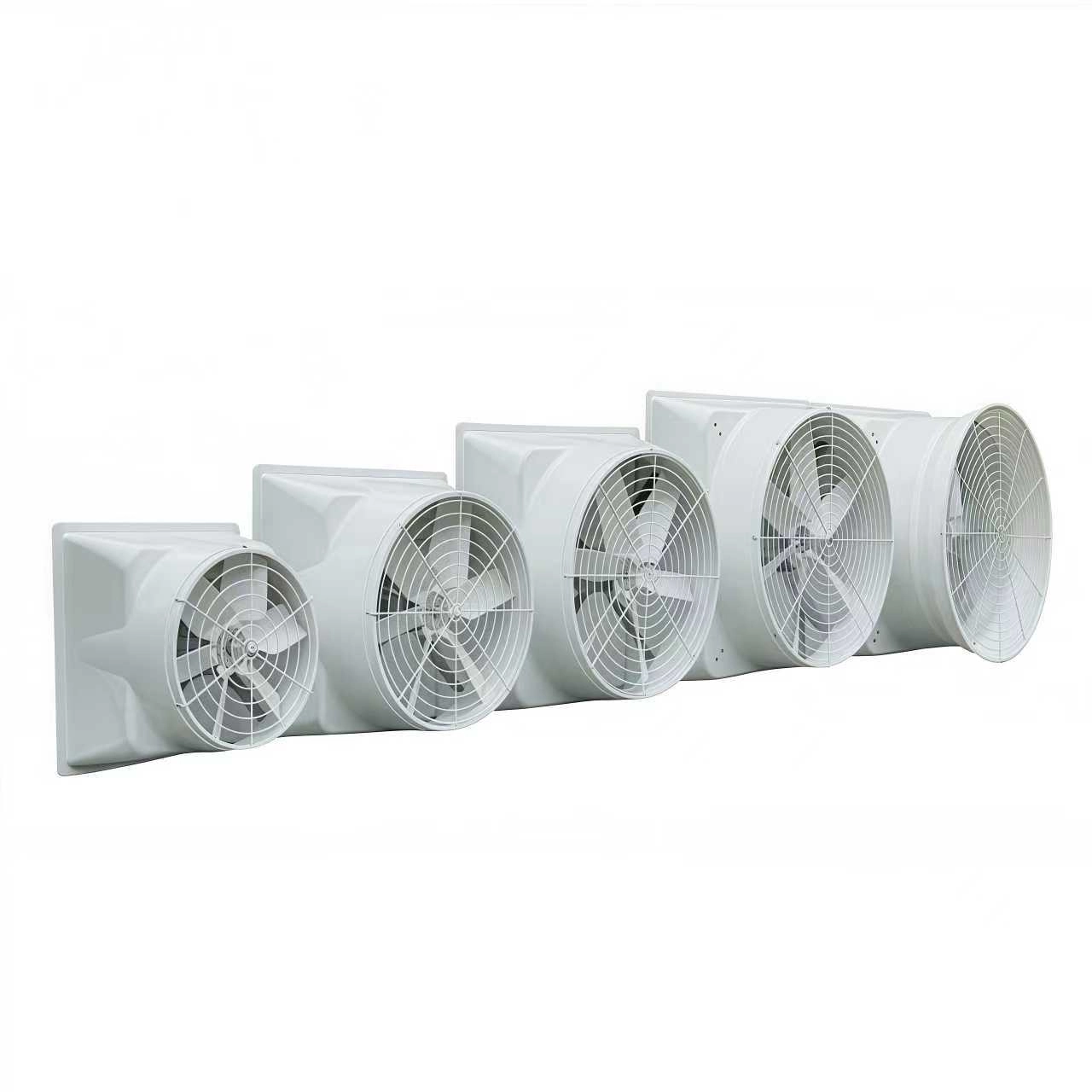
DAIHO Ventilation, an experienced exhaust fan manufacturer specializing in industrial cooling and ventilation systems, provides solutions tailored for large scale livestock operations. Their products are designed for long lasting use in harsh environments such as pig barns and greenhouses.
Advantages of Using a Central Exhaust System
Improved Air Treatment Efficiency
By directing all outgoing air through one point, it gets easier to use better filtering methods. For example, linking the exit with an air washer or chemical scrubber lets you cut down ammonia, dust, and smells well.
This arrangement also helps with following rules. Since emissions get handled at one place, checking and tweaking treatment levels turns simpler.
Reduction in Equipment Requirements
One big plus of central exhaust is that it usually needs fewer fans than scattered systems. This change leads to:
Less upkeep work
Fewer spots that might break
Simpler fixes
The motor is directly connected to drive, with simple structure and easy maintenance. This applies particularly well to systems using DAIHO’s EC Motor Fiberglass Cone Exhaust Fan, which combines durability with low maintenance operation.
Potential for Energy Savings
Central systems let you control fan speed and air amount exactly. This not only keeps the barn steady but also leads to energy cuts as time goes on.
The fan adopts brushless dc motor with high efficiency, and its energy efficiency is 30% higher than that of ordinary fans. These high efficiency motors reduce power usage while maintaining strong ventilation capacity. When scaled across multiple barns, the cumulative savings are substantial.
Disadvantages of Central Exhaust Systems in Pig Barns
Higher Initial Investment Costs
A central exhaust system calls for big starting costs. You’ll need:
Custom ducting
Heavyduty fans
Smart controllers
Possibly structural modifications
Besides, each barn might need its own setup based on layout and uses. While savings over time can balance the first costs, getting your money back depends a lot on good planning and setup.
Complexity in Construction and Retrofitting
Putting in a central air system in a new spot is pretty easy. However, adding it to old barns can be tough:
Space limits might block duct placement
Ceiling parts could need strengthening
Building time might mess with daily work
Even skilled workers find these jobs hard on labor. That said, working with integrated suppliers like DAIHO Ventilation, which handles both manufacturing and system integration, can simplify planning and execution.
Increased Dependence on a Single Ventilation Point
One downside in these systems is they depend on just one exit. If the main exhaust fan stops, the whole air network could fail. This makes strong backup plans key.
Tools for watching in real time can help cut risks by spotting problems early. Still, the need for steady checks adds more work to daily tasks.
Considerations for System Selection and Implementation
Factors Influencing Suitability for a Central System
If a central exhaust setup fits depends on a few things:
Barn design: Open layouts are easier to retrofit
Climate: In colder regions, heat recovery options may be needed
Local laws: Emission control requirements vary
Herd size: Larger herds benefit more from centralized efficiency
A close look at costs and gains should compare setup expenses against expected savings and rule perks over 5–10 years.
Integration with High Pressure Fans and Air Washers
Long duct paths often make airflow harder. High pressure fans get used to beat that drag in lengthy duct runs. DAIHO’s industrial fans—featuring aerodynamic cone designs and variable speed EC motors—are ideal for maintaining consistent airflow under such conditions.
Pairing the outlet with an air washer enhances odor control and particulate capture, making the system environmentally friendly and regulation compliant.
Maintenance Requirements and Operational Monitoring
Regular looks are important to keep the system going well:
Inspect ducts for buildup or blockages
Verify fan alignment and motor health
Calibrate control units for accurate flow regulation
Advanced automation tools now allow real time monitoring via sensors. Alerts can be set for pressure drops or temperature spikes, helping operators respond proactively before issues escalate.
FAQ
Q: How does a central exhaust system differ from traditional barn ventilation?
It consolidates airflow into one main outlet instead of using separate fans per room or area.
Q: Can I retrofit my existing pig barn with a central air system?
Yes, but it may involve complex structural adjustments depending on your barn’s design.
Q: What type of fans work best for central exhaust systems?
High pressure, energy efficient fans are ideal for handling long ducts.
Q: How often should I inspect a central exhaust system?
At least quarterly, though monthly checks are recommended in high use environments.
Q: Are there energy savings compared to decentralized systems?
Yes. Centralized systems allow better control over fan speed and airflow, reducing power usage over time.
 English
  Russian
  Arabic
  Spanish
  French
  Italian