

Common Ventilation Issues in Horticultural Greenhouses and How to Fix Them
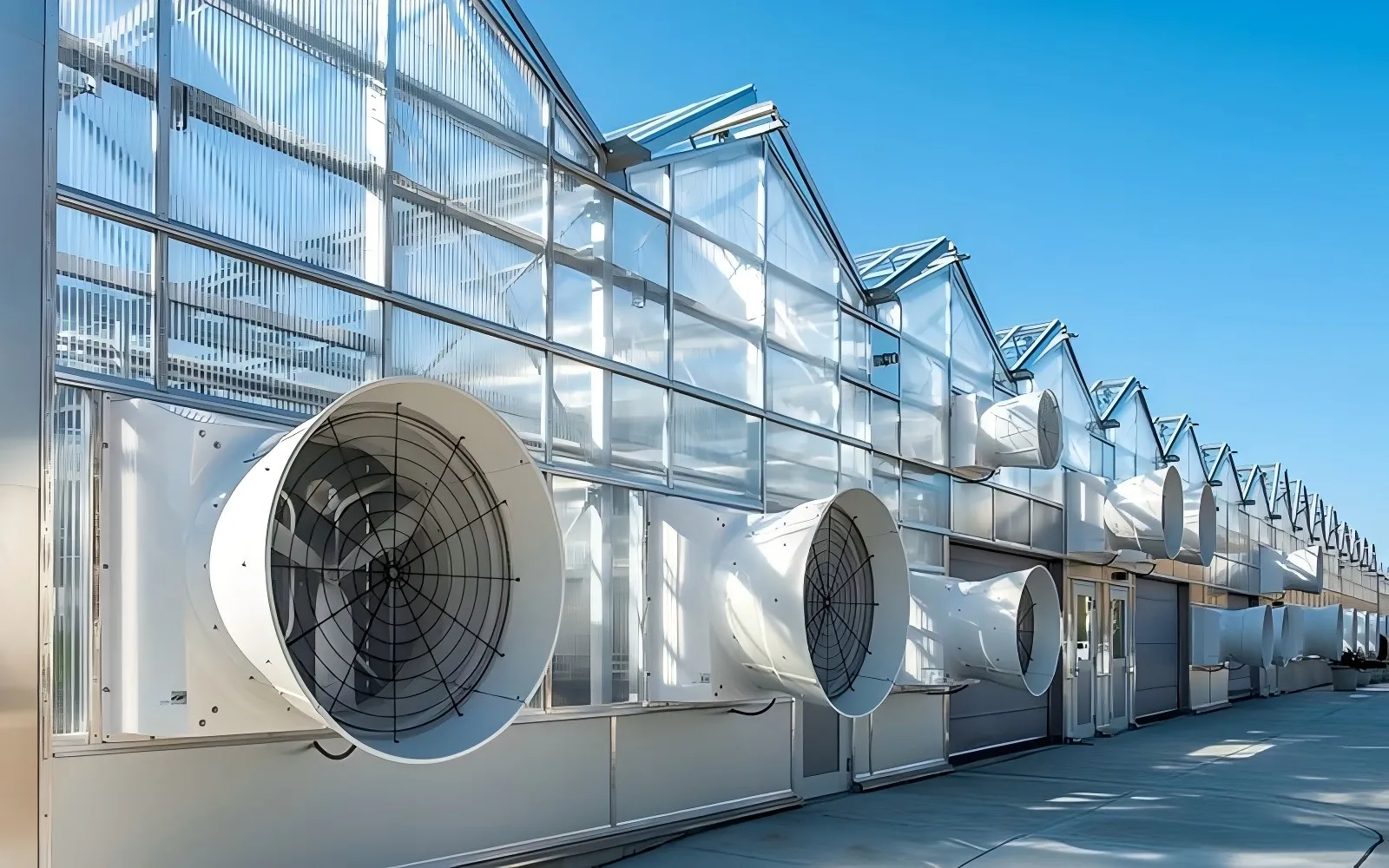
Efficient air movement forms the core of a healthy and productive greenhouse. Still, plenty of growers face troubles with weak ventilation plans or poor circulation methods. These lead to water buildup, big temperature changes, and stress on plants. The bright side? You can fix most of these problems with focused upgrades to airflow setups.
Distinguishing Between Ventilation and Circulation in Greenhouses
Key Differences Between Ventilation and Air Circulation
Ventilation and air circulation get mixed up a lot. But they do different jobs. Ventilation means swapping indoor air for outdoor air. This controls inside temperature. It cuts down humidity too. Plus, it brings in new CO₂ that plants need for photosynthesis. On the other hand, air circulation moves air around inside the greenhouse. It keeps conditions even everywhere.
Ventilation deals with big-picture climate control. It gets rid of extra heat and moisture. Meanwhile, circulation makes sure each plant gets the same amount of air, warmth, and dampness. Just having powerful exhaust fans isn’t enough. You need circulation fans to work with them. Otherwise, you end up with dead spots or layers of different temperatures.
Common Ventilation Challenges in Horticultural Greenhouses
Excess Moisture and Humidity Control
Too much humidity is a big problem in greenhouse work. It sets up perfect spots for fungal diseases. Also, it messes with how plants lose water naturally. If ventilation isn’t good enough—say on chilly nights or cloudy days—moisture hangs around on things. It might even turn to water drops on walls, ceilings, or leaves. Those drops can hurt fragile crops. They also speed up rust or wear on your setup.
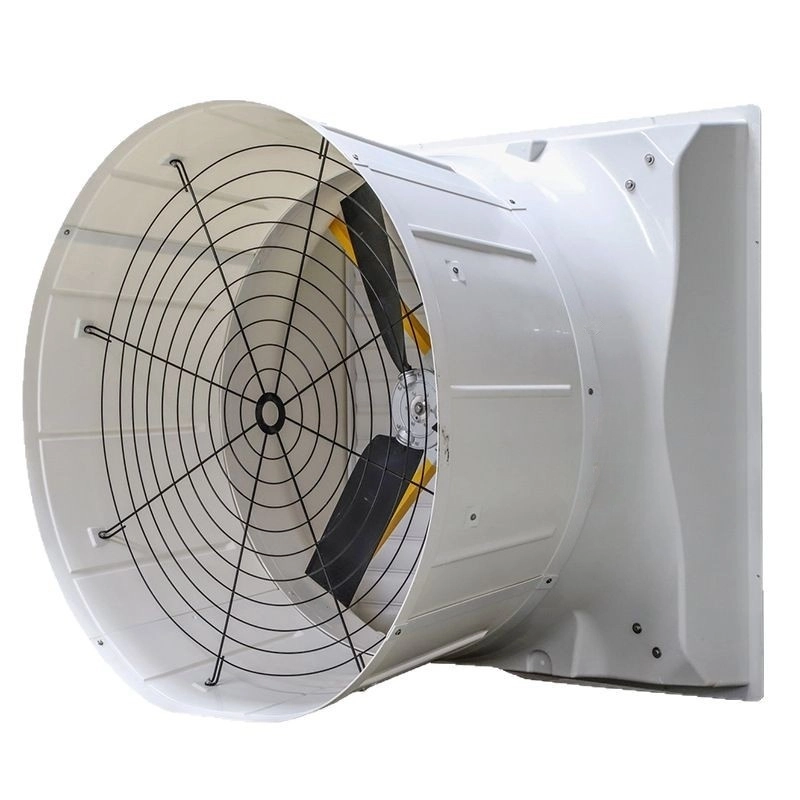
One way to fight this is with fiberglass cone exhaust fans. DAIHO EC Motor FRP industrial exhaust fan works well for big air flow in tough spots like factories, poultry houses, and greenhouses. Its fiberglass-reinforced plastic body fights corrosion well. And it lasts a long time.
Inconsistent Temperature Regulation
In greenhouses without good ventilation, hot areas and cold spots show up together. On bright sunny days, heat builds up fast without enough air flow. This stresses plants and makes them droop. At the same time, cooler areas pop up near spots without insulation or leaky openings. These ups and downs mess with steady plant growth. They can even slow down flowers or fruit.
You can keep airflow steady inside with the right size exhaust fans and auto vent systems. These spread heat evenly through the whole area.
Insufficient Ventilation Rates
Plants make food better with good CO₂ levels in the greenhouse air. But without enough air swap, CO₂ runs low fast. Oxygen near roots can drop too in closed water-growing systems. Thick plant setups block air even more.
To fix it, switch to strong fans from DAIHO Ventilation. They know a lot about industrial ventilation and cooling systems. Their fans boost the whole setup’s work. The fan uses a brushless dc motor with high efficiency. And its energy savings beat regular fans by 30%.
Circulation Issues That Affect Greenhouse Climate Balance
Uneven Distribution of Air, Heat, and Humidity
Your intake and exhaust might be spot on. Yet, bad inside circulation can cause layers from top to bottom. Warm air stays up high. Cooler air sticks near the ground or plant tops. These uneven parts make small weather zones in your greenhouse. They change where pests go, disease risks, and how plants take in food.
Horizontal airflow (HAF) fans push air side to side. They mix things up from top to bottom. This cuts down on those layers and makes temperature and humidity steady.
Cracks or Leaks in Greenhouse Windows or Frames
Small cracks let air in or out where you don’t want it. This throws off your airflow plan. You get hot or cold spots in certain areas. Those affect how plants grow in different parts.
Do checks now and then on frames, seals, or plastic covers. Make sure the structure doesn’t ruin your control over the environment.
Greenhouse Orientation and Location Constraints
Some greenhouses get built without thinking about wind paths or blocks nearby. This makes it hard to use natural air flow. Hills or other buildings can stop air or make it swirl inside.
When natural ways don’t work due to the spot, you need machines like cone-shaped exhaust fans on walls. Their shape pulls air out better. And it uses less power.
Heat Accumulation at the Roof Level
If you don’t mix air up and down well, heat stays by the roof. It doesn’t leave through vents. Over time, this raises leaf heat too high. It leads to plant problems like burned tips or slow growth from messed-up plant signals.
Fans that move air around at various heights help push out stuck heat. They also make roof vents work better.
Internal Obstacles Restricting Airflow Paths
Things like wires, lights, or watering gear—or even the plants—can block air. When fans hit these, air doesn’t move right. Some areas get still and stale.
That’s why you space plants properly. Also, place gear with care. This keeps air paths open and working.
Improper Fan Installation Techniques
How well fans work depends on where you put them and their size. If they’re too near walls or plants, they don’t cover enough. Wrong balances between intake and exhaust create pressure issues. These slow down the system.
The motor connects straight to the drive. It has a basic build and easy fixes. Such simple setups cut down on setup mistakes. They make regular care straightforward too.
Circulation Rate Inconsistencies
Fans that are too big or too small both cause headaches. Big ones make strong winds that hurt soft plants. Small ones don’t push enough air. If speeds don’t change with seasons, you waste power.
Variable speed comes from 0-10VDC or RS485 links. Growers can tweak things to match what’s happening right now.
Practical Solutions for Optimizing Ventilation Systems
Enhancing Vertical Air Circulation Efficiency
Put HAF fans along the greenhouse length.
Tilt them a bit down toward plant tops.
Add auto systems that react to heat or dampness shifts.
These changes wipe out temperature layers. They keep things steady from bottom to top.
Improving Exhaust Fan Performance
Keeping up with care is vital. Look at bearings, belts if there are any, and motor health often.
Steady checks keep the motor running right and air flow strong.
Louvers need to swing open without blocks for good exhaust.
Match exhaust power to intake size. This holds even pressure inside.
Integrating Cooling Solutions into Ventilation Design
In hot places or times of year:
Put wet pads on the air-in sides.
Use shade cloths that spread sun light but let good rays through.
Mix roof and side openings for rising air flow.
All this cools things without pushing machines too hard.
Consulting Professionals for System Assessment
Every greenhouse has its own air flow ways. These depend on plant kind, direction, local weather, and build setup. Experts from DAIHO Ventilation can find weak spots you missed. As a full provider of industrial ventilation and low-power cooling tools—like fans, evaporative coolers, dehumidifiers—they give full help. This boosts air quality and cuts costs as time goes on.
FAQs
Q: How do I know if my greenhouse has poor ventilation?
Look for water drops on things, uneven heat, slow plant growth, or mold spots.
Q: What’s the difference between HAF fans and exhaust fans?
HAF fans move air inside around; exhaust fans pull out hot or wet air from the building.
Q: How often should greenhouse fans be maintained?
Every 3–6 months is best, based on how much you use them—check motor, clean blades, look at louvers.
Q: Can I automate my ventilation system?
Yes! Lots of setups now use sensors and controls for changes on the spot.
Q: Do I need both passive vents and mechanical fans?
Not every time—but mixing them gives more options through the year.
 English
  Russian
  Arabic
  Spanish
  French
  Italian