

What Is a Brushless Motor? Advantages vs Brushed Motors Explained
A brushless motor is an electric motor designed to operate without mechanical brushes, which eliminates friction, reduces wear, and significantly improves efficiency.
Compared with traditional brushed motors, brushless motors deliver longer lifespan, quieter operation, precise speed control, and lower maintenance costs. Because of these advantages, they are widely used in electric vehicles, industrial ventilation systems, robotics, and HVAC equipment.
What Is a Brushless Motor
Basic Definition of a Brushless Motor
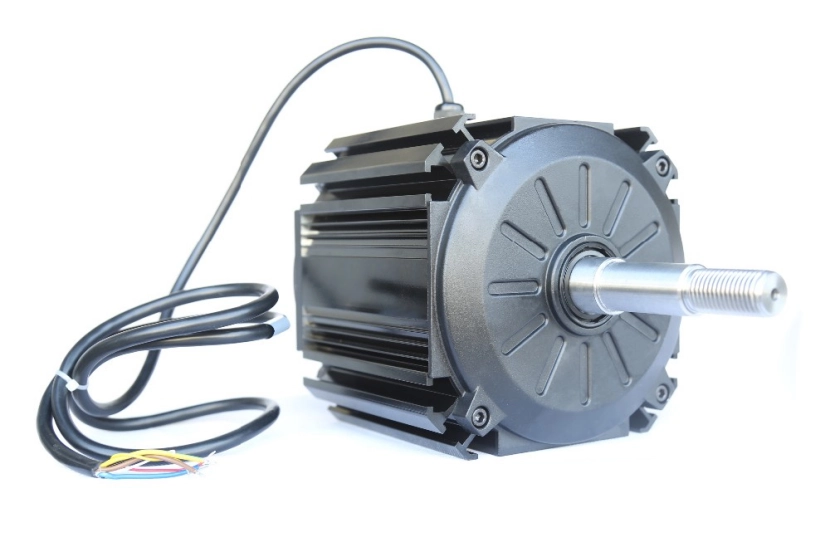
ألف brushless motor is an electric motor that runs without mechanical brushes and commutators. Instead of using physical contact to switch currents, it relies on smart electronics to handle motor tasks. Brushless EC motors use semiconductor switching devices to do electronic commutation. They replace traditional contact commutators and brushes with these electronic switches.
This electronic method brings better reliability and performance. As a result, brushless motors work well for tasks that need high efficiency.
Core Components and Structure
The three main parts of a brushless motor are:
Stator: Holds the copper windings and stays still.
Rotor: Has permanent magnets and spins inside the stator.
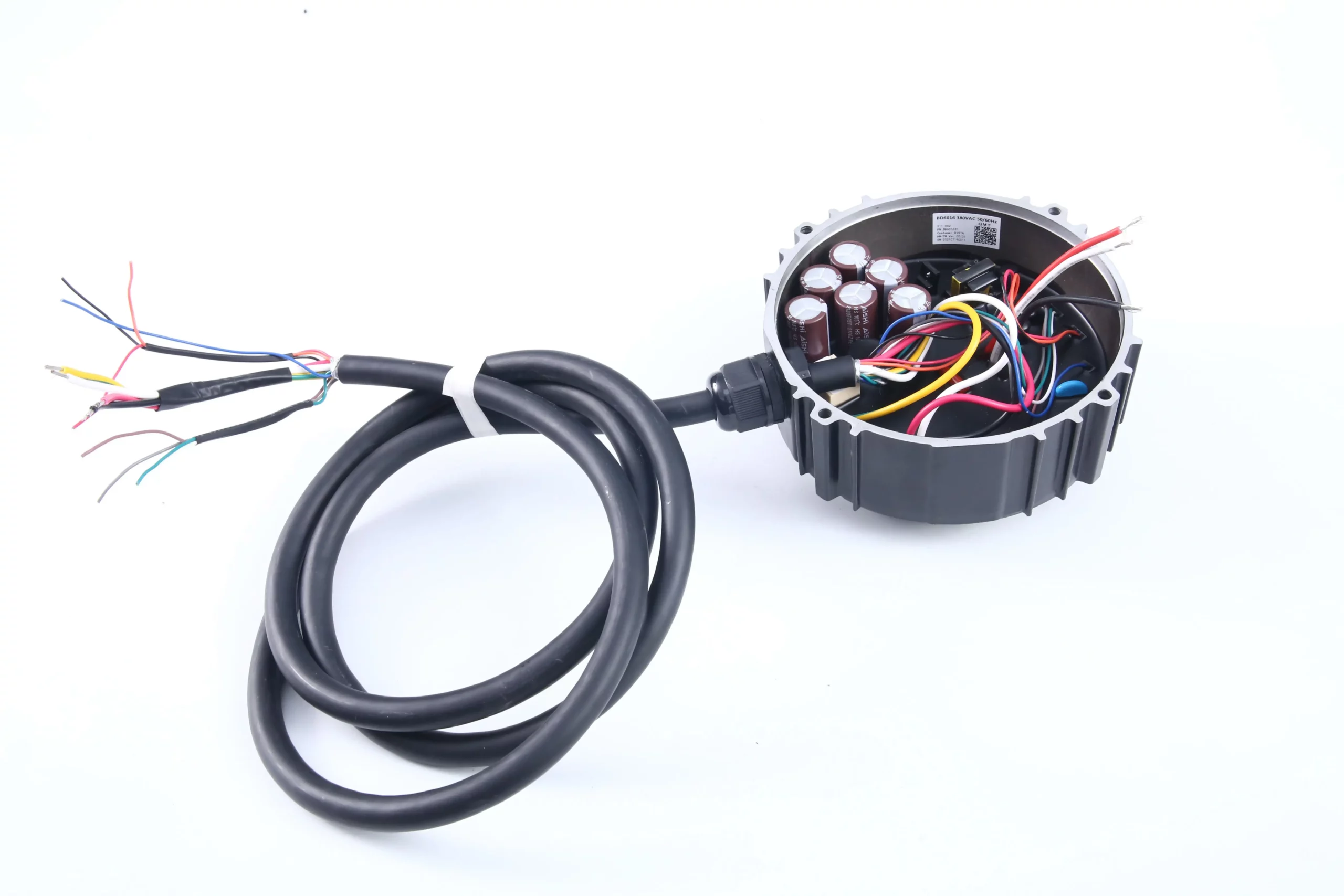
Electronic Controller: Controls current flow and timing.
In terms of build, brushless motors and brushed motors share some traits. Both have a rotor and a stator. But their setups are flipped compared to brushed motors. In a brushless one, the rotor is the magnet, and the stator has the coils.
How Electronic Commutation Works
Brushless motors rely on electronic controllers to determine the rotor position and switch current accordingly.
This process typically includes:
1. Detecting rotor position using Hall sensors or sensorless methods
2. Switching stator windings in a precise sequence
3. Adjusting speed, direction, and torque electronically
As a result, brushless motors deliver smooth rotation, stable torque, and precise speed control without mechanical wear.

Differences Between Brushless and Brushed Motors
Efficiency Comparison
In comparison, brushless motors run by frequency control technology save a lot more energy than series wound motors. Without brushes that cause resistance or heat, energy use is more efficient. Compared with traditional series-wound motors, brushless EC motors offer higher energy efficiency and better speed accuracy, especially under variable load conditions.
This makes them great for portable gadgets and battery run systems where saving power matters a bunch.
Noise and Vibration Levels
Without mechanical brushes rubbing on the commutator, brushless motors make little noise. No brushes mean much less friction in brushless motors. So, they run smoother and with way lower noise. This even motion also cuts down on vibration a lot. That’s good for touchy spots like medical tools or exact instruments.
Lifespan and Durability
With no brushes, the main wear in brushless motors happens in the bearings. From a mechanical side, brushless motors are nearly free of upkeep. While brushed motors often last just a few hundred hours before needing fixes, brushless ones can go for tens of thousands of hours.
Maintenance Requirements
Brushed motors need carbon brush swaps. If you skip that, it can harm the motor. Brushless motors typically last over ten times longer than brushed motors. Since there are fewer moving bits in brushless motors, they don’t fail mechanically as often. Sometimes, just wiping off dust is all you need.
Key Performance Features of Brushless Motors
Speed Control and Precision
The lack of physical contact parts lets in quick digital control. Brushless motors are usually controlled by digital frequency conversion and offer excellent controllability. You can easily get speeds from a few turns per minute to tens of thousands.
This kind of exactness makes them ideal for robotics, CNC machines, and drones where spot on movement is key.
Thermal Management Benefits
Because of how brushed motors are built, the contact resistance between brushes and commutator is big. This leads to higher overall resistance in the motor, and it makes heat easily. Brushless motors skip this problem by keeping internal resistance and heat low.
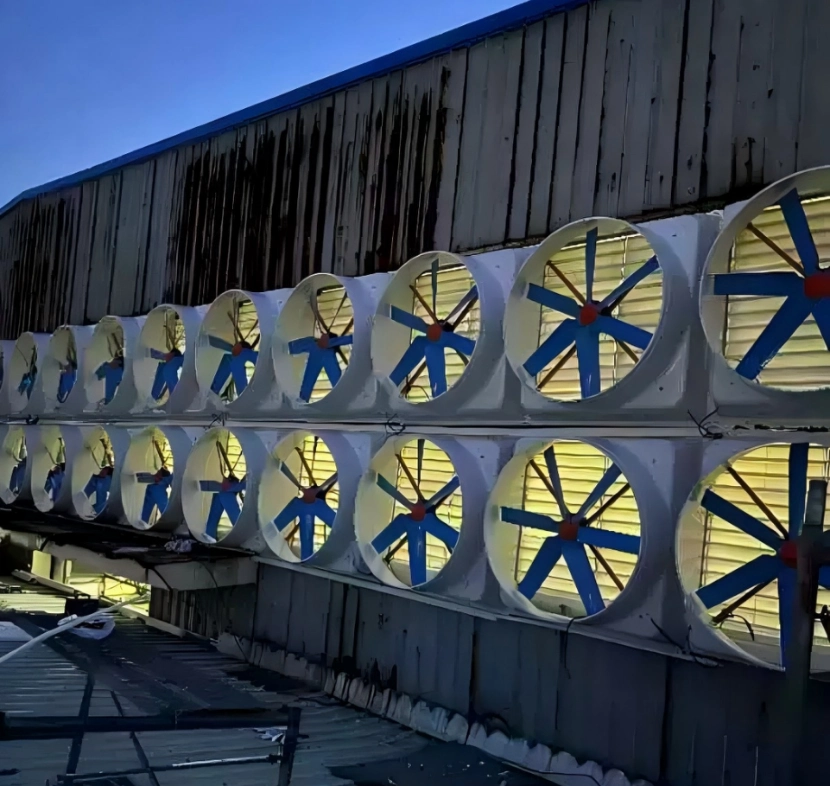
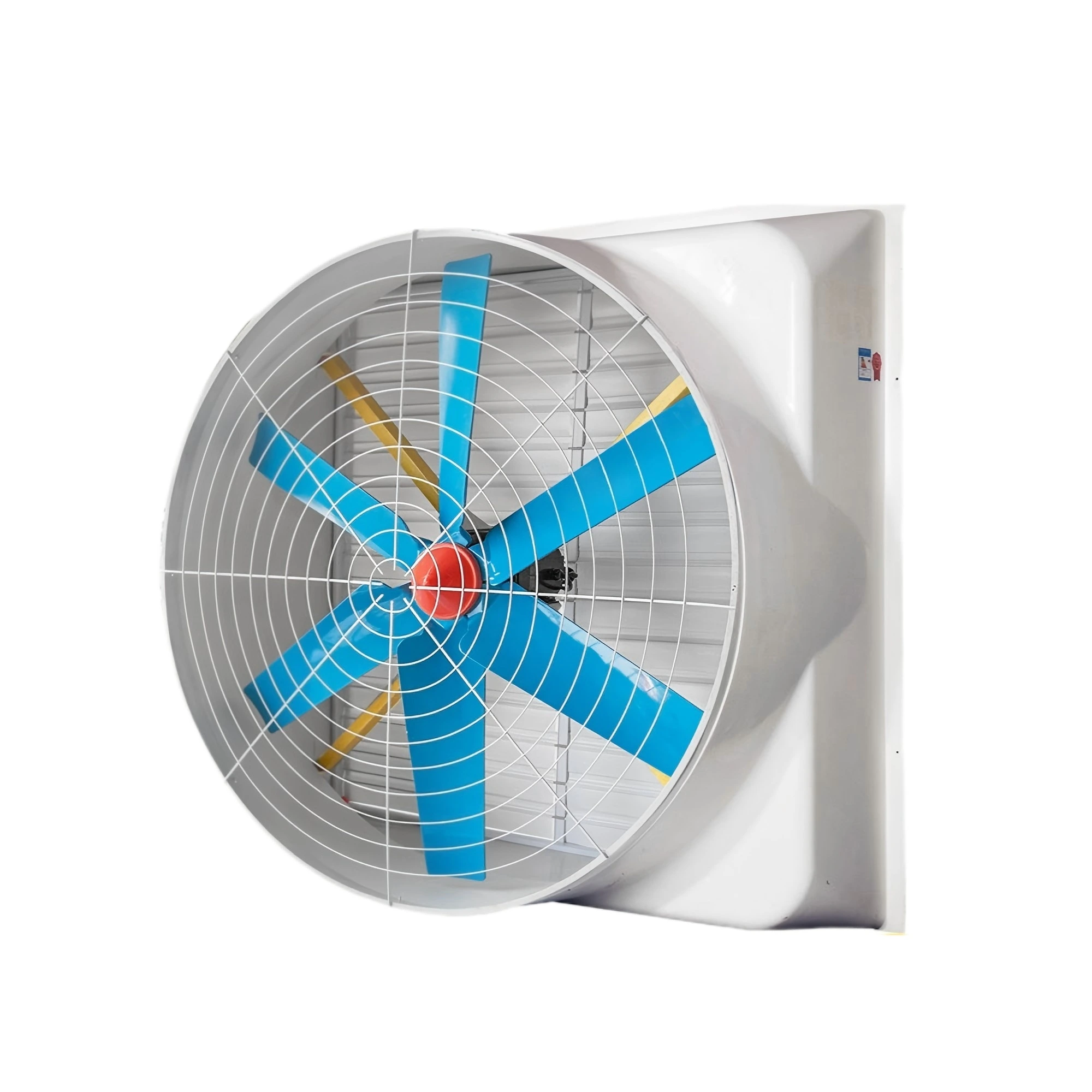
That’s really helpful in closed systems with not much cooling, like small gadgets or sealed factory units. In industrial ventilation systems, brushless motor technology is often adopted to reduce heat generation and improve long-term reliability.
على سبيل المثال، DAIHO Ventilation integrates brushless motors in selected exhaust fan systems to achieve stable airflow with lower energy consumption.
Common Applications of Brushless Motors
Consumer Electronics and Appliances
Brushless motors show up in lots of places, from electric toothbrushes to fancy gaming setups. They’re also common in:
1. Drones
2. Laptop cooling fans
3. Cordless drills
4. Hard disk drives
They have been used widely in fields like model planes, medical gear, home items, and electric cars.
Automotive and Transportation Uses
Electric vehicles (EVs), e-bikes, power steering systems—all count on brushless motors for even performance.
Rare earth permanent magnet brushless EC motors will surely shine in speed control areas because of their broad speed range, small size, high efficiency, and tiny steady state speed error.
DAIHO Ventilation also adds brushless motor systems to transport grade air handling units where toughness under shakes is vital.
Industrial Automation and Robotics
In factory spots where keeping things running is key, brushless motors power robot arms, conveyor belts, and auto tools. They bring perks like high trust, no commutation sparks, and low mechanical noise. And they’re used a lot in top end tape recorders, video recorders, electronic tools, and office machines.
For instance:
1. CNC machines
2. Pick and place robots
3. Packaging equipment
Their dependability cuts downtime and boosts accuracy on production lines.
Why Brushless Motors Are Gaining Popularity
Advancements in Control Electronics
As microcontrollers have gotten cheaper and stronger, brushless tech has become more cost friendly too. Though brushless motors have a short history, they have grown fast with tech getting better and more mature.
This has opened doors to uses that were once too pricey or tricky for brushless options.
Growing Demand for Energy Efficiency
Green goals in many fields call for systems that save energy—and brushless motors provide that. Negative pressure fans use permanent magnet EC brushless motors, which can cut electricity costs by more than half compared to old asynchronous motors. Saving energy means lower running bills right away.
Versatility Across Multiple Sectors
From small medical pumps to big factory blowers—brushless motors fit well at different sizes. Their modular setup makes it easy to add them in various fields. This flexibility matches with firms like DAIHO Ventilation that provide modular fan systems with brushless motor tech for business buildings and plants.
الأسئلة الشائعة
Q1: What makes a brushless motor more efficient than a brushed one?
A: It eliminates mechanical friction from brushes, reducing heat loss and improving power output.
Q2: Can a brushless motor replace a brushed motor in industrial equipment?
A: Yes, but it requires compatible voltage ratings and an electronic motor controller to ensure proper operation.
Q3: How long does a typical brushless motor last?
A: With proper bearings, up to tens of thousands of hours—much longer than brushed types.
Q4: Are all brushless motors sensor based?
A: No. Some use sensorless techniques relying on back EMF for rotor position detection.
Q5: What industries benefit most from brushless motors?
A: Electronics, automotive, HVAC, medical devices, robotics, and manufacturing.
 English
  Russian
  Arabic
  Spanish
  French
  Italian