

Pros and Cons of Industrial Portable Air Conditioners in Warehouses
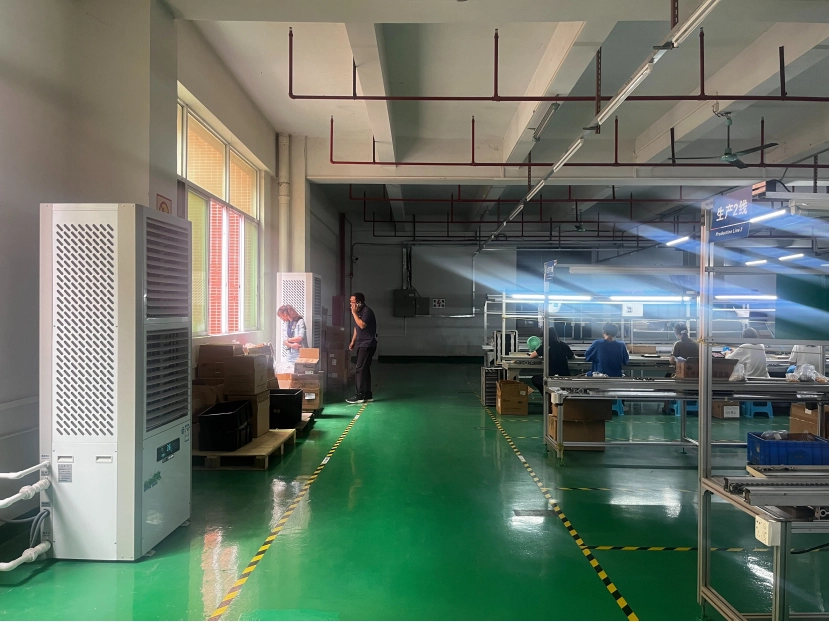
Industrial portable air conditioners are increasingly adopted as flexible cooling solutions for warehouses, particularly where mobility and cost control are critical. They provide quick cooling without the need for fixed setups, but they also have limitations in terms of coverage capacity and maintenance demands. Knowing both sides helps managers figure out if these units really suit their work needs.
Advantages of Industrial Portable ACs
Flexibility and Mobility in Warehouses
One of the main benefits is easy movement. Industrial portable ACs can be shifted to various spots as required, which is particularly beneficial for warehouses with frequently changing layouts or temporary work zones. For instance, during hot summer times or when certain lines make extra heat, these units can be placed to offer direct help.
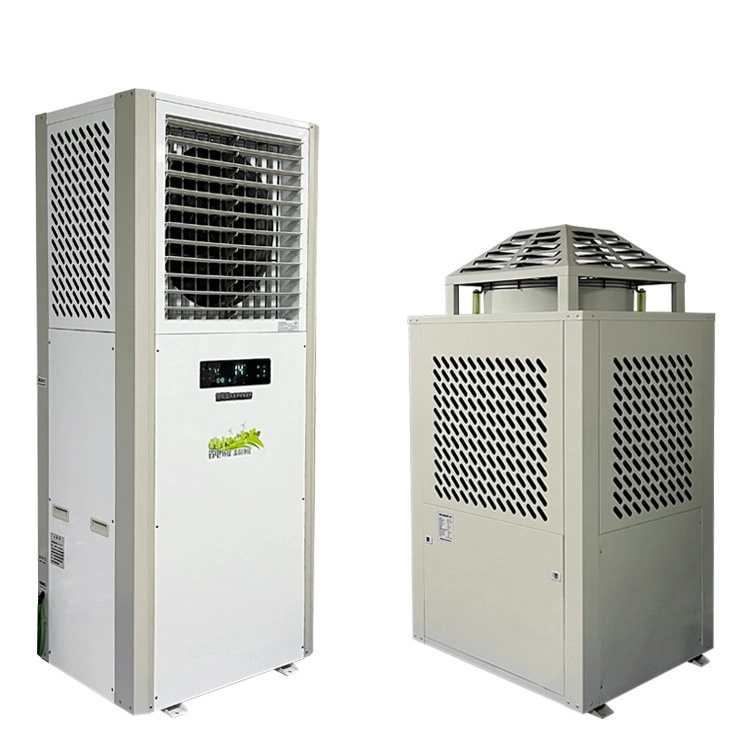
Designed for large-scale applications, DAIHO Ventilation’s industrial models deliver stable and high-capacity cooling performance. This flexibility makes them helpful for brief or seasonal cooling needs without big changes to the building.
Targeted Cooling for Temperature-Sensitive Areas
Warehouses often hold items that need steady temperatures—like gadgets, chemicals, or food that spoils. Portable air conditioners let you cool exact zones with such sensitive stuff. This focused method keeps good conditions without chilling the whole place too much.
Equipped with a high-efficiency hydrophilic aluminum-fin condenser and an imported energy-efficient swing compressor, the system features a compact structure with a large airflow capacity, ensuring strong and stable cooling performance. Such precision is essential when stable climate control directly affects product quality or equipment reliability.
Cost-Effectiveness for Zoned Cooling
Instead of using a central HVAC system over the whole building, industrial portable ACs let you chill just busy or key spots. This zoned way cuts energy bills a lot. It also skips the cost of adding ducts or lasting systems in rented spots.
A comparison from DAIHO التهوية’s energy-saving models illustrates how efficiency translates into savings:
| نوع النظام | Daily Consumption | 90-Day Consumption | Six-Month Electricity Cost |
| Traditional 10 HP AC | 175.2 kWh | 31,536 kWh | 36,266.4 RMB |
| DAIHO Energy-Saving AC | 120 kWh | 21,600 kWh | 11,426.4 RMB |
Quick Installation Without Permanent Modifications
Another plus is fast setup. Portable units need no building changes—just right placement and vent access. This makes them perfect for rented warehouses where changes are limited by lease rules. Installation typically requires only standard electrical access and appropriate exhaust routing, enabling rapid deployment.
DAIHO Ventilation’s mobile air conditioners are built with simplicity in mind; this low-cost cooling solution combines high efficiency, energy savings, ease of use, and simple operation. That ease lets businesses add more units when needs go up.
Energy Efficiency in Small to Medium-Sized Spaces
For smaller warehouse parts or tight work zones, industrial portable air conditioners can work well. They push out strong air while using less power than full HVAC systems meant for bigger areas.
Experience advanced energy and power-saving performance with DAIHO, backed by China Energy Conservation Certification and Energy Efficiency Labeling. Their smart design achieves up to 40–60% energy savings compared to traditional systems—an important factor when calculating total cost of ownership.
Disadvantages of Industrial Portable ACs
Limited Effectiveness in Large Warehouse Spaces
Even with their benefits, portable ACs have limits. In big buildings over thousands of square meters, a single unit is typically insufficient to cover the entire space effectively. You might need several machines for even cooling, and that raises starting costs plus daily handling.
Even high-capacity models like the DH-A-65B—with a cooling power of 6500W—are most effective within defined zones rather than entire buildings.
Frequent Maintenance and Shorter Lifespan
Portable systems usually need more regular care than fixed ones. Filters must be cleaned often to stop dust that could block air or cut efficiency. Their parts also wear out more from moving around a lot.
While DAIHO Ventilation’s designs emphasize durability through components like hydrophilic condensers and swing compressors, these units still tend to have shorter lifespans compared to centralized HVAC setups that operate under stable conditions.
Noise Levels That May Disrupt Operations
Noise can be a problem in warehouse spots where workers need to talk. Even if some models keep sound moderate—its noise (Class A sound pressure) is ≤68dB(A)—continuous operation near workstations may cause discomfort over extended periods.
For warehouses doing careful tasks or needing quiet areas (like checking gadgets), this issue should not be ignored in plans.
High Energy Usage in Continuous Operation
When run non-stop over long hours or weeks, portable air conditioners can push up power bills despite better efficiency. They’re best for on-and-off use rather than all-day running in big spaces.
If you need constant climate control all year, putting money into a central industrial air conditioner might save more in the end—even if setup costs start higher.
Ventilation and Exhaust Challenges in Warehouses
Good venting is key for portable systems since they push out hot air while cooling. In some warehouse designs without enough exhaust ways or windows, this gets tough and might lower overall work.
Bad exhaust plans can make warm air circle back into the room—a usual error in fast setups that wipes out much of the unit’s cooling gain.
الأسئلة المتكررة (FAQ)
What size industrial portable AC should I choose for my warehouse?
The right size depends on your floor area and heat load from equipment or lighting. For example, DAIHO’s DH-A-27B offers 2700W cooling power suitable for small stations, while DH-A-65B reaches up to 6500W for medium-sized sections.
How often should I maintain my industrial portable AC?
Filters should be checked weekly during heavy use seasons and cleaned at least once per month. Periodic servicing every three months ensures optimal compressor performance and prevents water leakage issues common in humid environments.
Can I use industrial portable ACs for long-term cooling?
Yes—but only if the space size matches the unit’s rated capacity and proper ventilation is maintained. For continuous operations exceeding eight hours daily across large areas, consider hybrid setups combining portable units with fixed ventilation systems from manufacturers like DAIHO Ventilation.
Are industrial portable ACs noisy?
Due to integrated compressor operation, portable units generate moderate noise levels, typically within the 60–68 dB range, which is acceptable for most industrial environments.
Do industrial portable ACs require special installation?
No major construction is needed—just access to electrical outlets and exhaust routing points. That makes them convenient options for rented facilities where permanent alterations aren’t allowed.
 English
  Russian
  Arabic
  Spanish
  French
  Italian