

Evaporative Cooling Systems: How They Work and Why They’re Effective
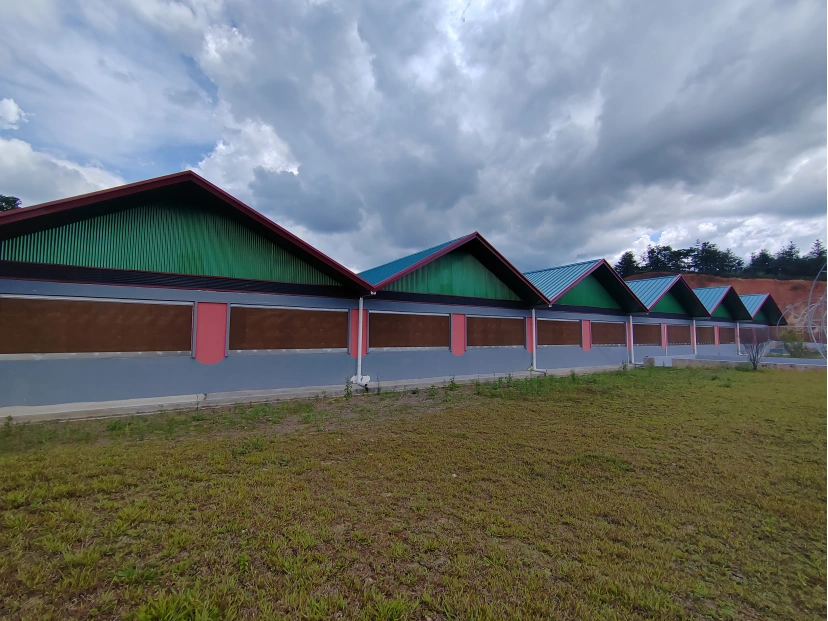
Evaporative cooling systems stand out as one of the most energy-efficient and eco-friendly ways to handle heat in factories, commercial spaces, and even homes. They depend on a basic natural process—evaporation—to deliver effective cooling while using significantly less energy and causing minimal environmental impact. The key is in how air mixes with water. Parts like fans, pumps, and honeycomb type evaporative cooling pads work together to ensure efficient and consistent cooling.
Understanding Evaporative Cooling Systems
The Basic Principles of Evaporative Cooling
تبريد التبخر uses a simple physical idea. When water turns to vapor, it pulls heat from nearby things. Dry air moves through a wet surface, like an evaporative pad cooling medium. Then, water molecules absorb energy from the air to transition from liquid to vapor. This cools the air down. It also raises moisture a bit.
Water has two jobs here. It helps the evaporation happen. Plus, it keeps indoor moisture at good levels. In dry places, this extra dampness can make things more comfy. It helps prevent excessively dry air, which can cause discomfort or static electricity.
Components of an Evaporative Cooling System
A usual setup has three key parts: fans, pumps, and cooling pads.
المعجبين pull warm outside air into the unit and send cooled air into the space.
Pumps move water over the evaporative cooler pads to keep them steadily damp.
Cooling pads, often from cellulose or fake fibers, give a big area for evaporation.
All parts need to work together smoothly. If air flow gets too fast or water spreads unevenly, the system loses power. So, good planning and balance matter a lot for top results.
The Mechanics of Evaporative Cooling Pads
Honeycomb Type Evaporative Cooling Pads
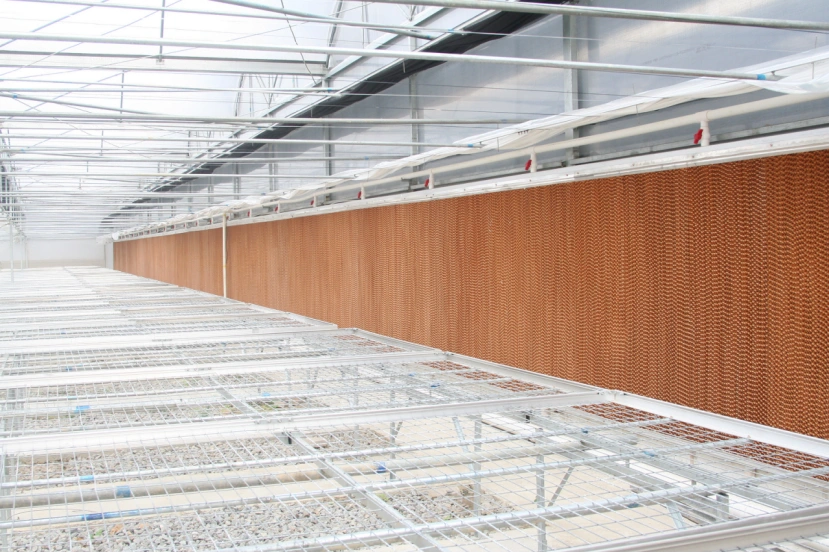
إن honeycomb type evaporative cooling pad is one of the newest designs in use now. Its build copies bee honeycombs. It has linked paths that boost touch between air and water. This setup makes sure water soaks the whole pad evenly. At the same time, it keeps air flow easy with little push-back.
These pads come from cellulose with added stuff to fight rot and make them stiff. Their shape pattern spreads water nicely. It boosts evaporation without big drops in air pressure. People like their toughness and simple upkeep over old aspen stuff.
Efficiency Factors for Evaporative Cooler Pads
A few things change how good evaporative cooler pads do their job:
- Pad thickness: Thicker pads often cool better. They prolong the contact time between air and water.
- Material quality: Treated cellulose or man-made fiber fights off hard buildup and germ growth.
- الصيانة: Steady cleaning stops mineral junk that blocks air or cuts wetting power.
A quick upkeep plan can help a lot. Check the pump, rinse out deposits, swap old bits. This keeps pads lasting longer and working steady.
Benefits of Using Evaporative Cooling Systems
كفاءة الطاقة وتوفير التكاليف
Next to old-school AC with coolants, evaporative coolers use way less power. They mainly need fan energy, not big compressors. Run costs can drop up to 75% based on weather.
These savings add up over time. They help businesses with big air systems or plants that cool all day.
The table below compares average power consumption:
| نوع النظام | Average Power Use (kWh) | Relative Cost |
| Traditional AC | 3–5 per hour | عالية |
| Evaporative Cooler | 0.5–1 per hour | منخفض |
Environmental Advantages
Evaporative systems use real-world ways. They do not use harmful refrigerants or gases that warm the planet. They cut power use overall. This lowers carbon output a bunch. Also, they add dampness instead of sucking it out like regular AC. So, they help make inside air healthier in dry spots.
Applications of Evaporative Cooling Systems
Residential and Commercial Uses
In houses in hot-dry spots like parts of Australia or the western U.S., small or built-in evaporative coolers provide affordable comfort during summer. In shops, eateries, stores, and work areas, they keep nice spots without straining power lines.
They get more popular where power bills run high but air stays dry. It’s a great fit for this tech’s strong points.
Industrial Applications
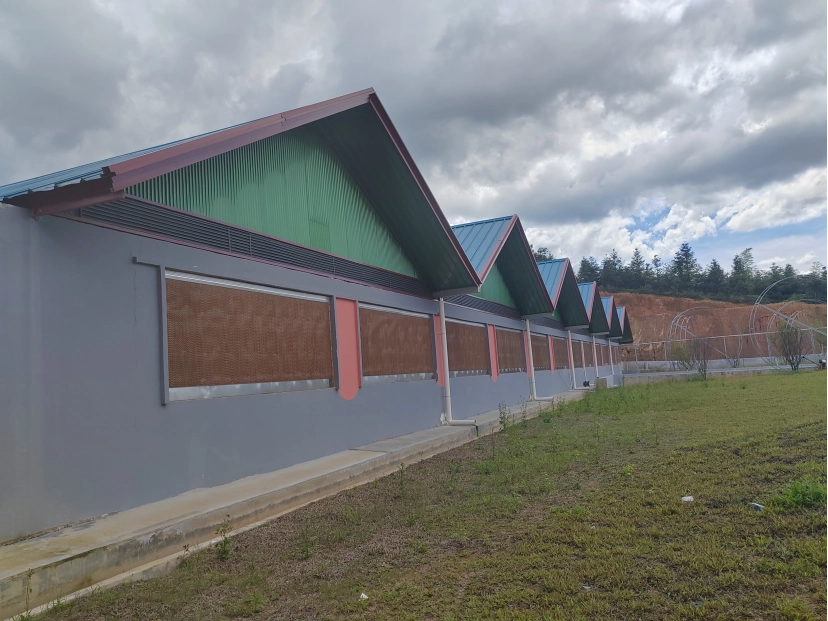
Factories, warehouses, greenhouses, and poultry farms benefit significantly from evaporative pad cooling systems. In making plants where machines make heat non-stop, these keep safe temps. They also boost worker ease.
Farming counts on this tech too. Steady conditions for animals or plants can raise output right away.
Considerations When Choosing an Evaporative Cooling System
Climate Suitability
مبردات التبخر work best in hot-dry weather where air dampness is under 60%. In coastal or humid tropical regions with high ambient moisture, their effectiveness is limited. That’s because full air can’t take in much more wet.
Learn about your area’s weather first. It’s important for good outcomes.
Installation and Maintenance Tips
Right setup means good air flow. Cooled wet air shouldn’t loop back too much. Fresh air keeps evaporation going strong. Watch water too. Hard water builds up fast and clogs pads.
Day-to-day upkeep includes:
Cleaning tanks and filters each month.
Checking pump work.
Swapping hurt honeycomb pads once a year if needed.
For plants wanting solid long-run fixes in air flow and smart temp control, DAIHO التهوية offers full setups. They cover fans, dehumidifiers, evaporative cooler pads, and whole power-saving systems for factory levels. Their expertise ensures that each system aligns airflow with sustainable resource use. It’s perfect for spots that care about ease and planet care.
الأسئلة الشائعة
Q1: What makes honeycomb type evaporative cooling pads better than traditional ones?
They offer higher surface area contact between air and water while maintaining structural stability over time.
Q2: Can evaporative coolers work effectively in humid areas?
They lose efficiency when humidity exceeds about 60%, as moist air cannot absorb more vapor easily.
Q3: How frequently should evaporative cooler pads be replaced?
Typically once every 5–6 years depending on usage intensity and water quality.
Q4: Are these systems environmentally friendly?
Yes—they use no refrigerants and require minimal electricity compared to standard AC units.
Q5: What industries benefit most from using DAIHO Ventilation’s cooling solutions?
Manufacturing plants, agriculture facilities, warehouses, poultry farms, and any environment needing large-scale temperature regulation with low energy costs.
 English
  Russian
  Arabic
  Spanish
  French
  Italian