

أنظمة التبريد التبخيري: كيف ولماذا تعمل
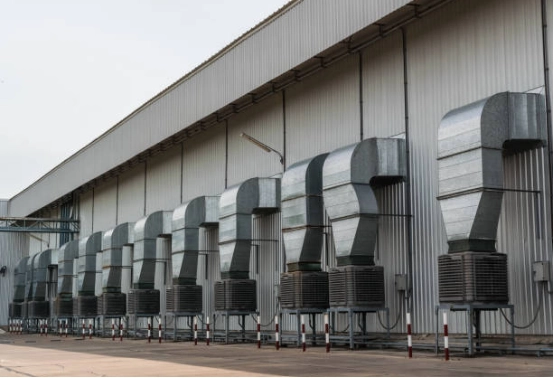
لا يقتصر التبريد الصناعي على خفض درجة الحرارة فحسب، بل إن المصانع والمستودعات تكتسب حرارة من الآلات وخطوط الإنتاج والإضاءة والإشعاع الشمسي عبر السقف. ويكمن التحدي في الحفاظ على بيئة عمل مريحة مع التحكم في تكاليف الطاقة.
يُعدّ تكييف الهواء التقليدي فعالاً في الغرف المغلقة. أما ورش العمل الكبيرة فتتطلب احتياجات مختلفة، إذ غالباً ما تتميز بأسقف عالية، ويتحرك الهواء فيها طوال اليوم، مما قد يستهلك كمية كبيرة من الطاقة لتبريدها.
تُقدّم أنظمة التبريد التبخيري طريقةً مختلفة، إذ تعتمد على التبريد الطبيعي الناتج عن تبخّر الماء. تُدخل هذه الأنظمة هواءً أكثر برودة، مما يُقلّل من استهلاك الطاقة بشكل ملحوظ. وتستخدمها العديد من المواقع الصناعية حاليًا، حيث تحتاج هذه الأماكن إلى تدفق هواء جيد وتحكّم دقيق في درجة الحرارة.
ما هو نظام التبريد التبخيري؟
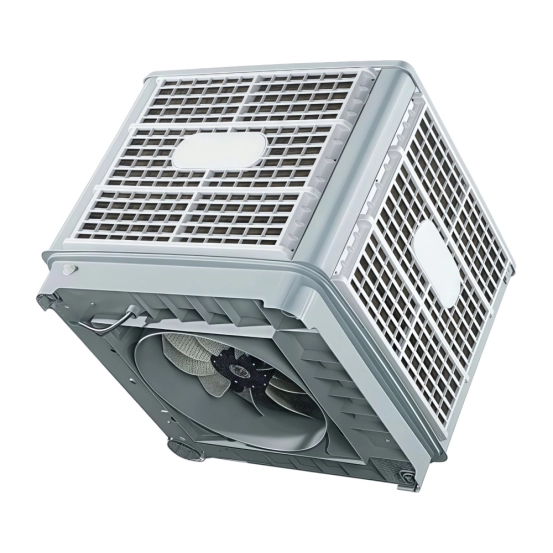
إن نظام التبريد التبخيري يخفض درجة حرارة الهواء عن طريق تبخير الماء، متجنباً استخدام الضواغط والمبردات الموجودة في أجهزة التكييف التقليدية. يعتمد النظام ببساطة على الماء، ووسادات التبريد، والمراوح.
تبقى العملية سهلة المتابعة. يدخل الهواء الخارجي الدافئ إلى الوحدة ويمر عبر وسادات تبريد رطبة. يمتص الماء الحرارة من الهواء أثناء تحوله إلى بخار. ثم تدفع المراوح الهواء المبرد إلى داخل المبنى.
هذا الأسلوب هو الأنسب للمساحات المفتوحة الكبيرة. غالباً ما تختاره المصانع والمستودعات والمباني الزراعية، لأنها تحتاج إلى الكثير من الهواء النقي أكثر من حاجتها إلى انخفاضات حادة في درجات الحرارة.
كيف تعمل أنظمة التبريد التبخيري؟
الفكرة الأساسية بسيطة. لا تزال النتائج الجيدة في المصانع تتطلب تخطيطًا دقيقًا. فتدفق الهواء مهم، ومستويات الرطوبة مهمة، وتصميم المبنى مهم، ومصادر الحرارة الداخلية مهمة أيضًا.
الخطوة 1: مدخل الهواء والترشيح
يدخل الهواء الخارجي الدافئ إلى الوحدة أولاً. غالباً ما تحتوي المواقع الصناعية على غبار وجزيئات. تقوم المرشحات بتنقية الهواء قبل وصوله إلى وسادات التبريد.
قد تُشغّل ورشة المعادن عدة آلات في آنٍ واحد، مما يُؤدي إلى تراكم الحرارة في مناطق مُحددة عند عدم كفاية حركة الهواء. يشعر العمال بعدم الراحة سريعًا، لذا يُصبح تدفق الهواء القوي ضروريًا. ولا يُحلّ خفض درجة الحرارة وحده جميع المشاكل.
الخطوة الثانية: امتصاص الحرارة من خلال تبخر الماء
يحدث التبريد الفعلي عند الوسادات المبللة. يمر الهواء من خلالها، فيمتص الماء الحرارة من الهواء ويتحول إلى بخار. هذه الخطوة تزيل الحرارة وتخفض درجة الحرارة بطريقة طبيعية.
يلعب المناخ دورًا كبيرًا في النتائج. فالهواء الحار والجاف يسمح بتبريد أقوى، حيث يستطيع امتصاص المزيد من الرطوبة. ولذلك، تختار العديد من المصانع هذه الطريقة. تبخيري مبرد هواء ولهذا السبب، لأنها يمكن أن توفر وفورات كبيرة في الطاقة.
الخطوة 3: توزيع الهواء البارد
تقوم المراوح بتوزيع الهواء البارد إلى مناطق العمل. ويلعب موقع وحدات التبريد دورًا هامًا في ذلك، فقد يؤدي وضع مبرد قوي في مكان غير مناسب إلى ترك بعض المناطق دافئة.
تجمع شركة داي هو للتهوية بين وحدات التبريد وخطط التهوية الذكية، بهدف تحقيق تدفق هواء ثابت في جميع أنحاء المنشأة. وهذا بدوره يقلل من التبريد غير المتساوي، حيث تبقى بعض المناطق مريحة بينما تبقى مناطق أخرى حارة.
لماذا تختار الصناعات أنظمة التبريد التبخيري؟
يأخذ المشترون الصناعيون في الاعتبار عادةً عدة عوامل عند اختيار نظام التبريد، بما في ذلك استهلاك الطاقة، وأداء التبريد، والظروف الداخلية، وكفاءة التشغيل على المدى الطويل.
1. انخفاض استهلاك الطاقة
تُثير فواتير الطاقة قلق العديد من المنشآت الكبيرة. تعتمد أنظمة التكييف التقليدية على الضواغط. وقد يواجه المصنع الكبير تكاليف كهرباء باهظة للغاية إذا استمر التبريد دون توقف.
تعتمد أنظمة التبريد التبخيري بشكل أساسي على المراوح ومضخات المياه الصغيرة. هذا التصميم البسيط يقلل من استهلاك الطاقة، وتناسب هذه الأنظمة الأماكن التي تعمل لساعات طويلة.
2. تبريد فعال للمساحات المفتوحة الكبيرة
تختلف المباني الصناعية الكبيرة عن المكاتب. فهي غالباً ما تتميز بأسقف عالية، وأبواب مفتوحة باستمرار، وتوليد حرارة داخلية متواصلة. ولا تستطيع وحدات التبريد الصغيرة في كثير من الأحيان التعامل مع هذه الظروف.
أنظمة التبريد التبخيري الصناعية قادرة على تلبية احتياجات تدفق الهواء العالي.
- ورش التصنيع
- مستودعات
- مراكز الخدمات اللوجستية
- مرافق الإنتاج
يحتاج مصنع النسيج إلى تهوية مستمرة على مساحة واسعة. ويتحقق التحكم الجيد في درجة الحرارة من خلال قوة التبريد والتغطية الكاملة.
3. تحسين جودة الهواء الداخلي
لا يمثل التحكم في درجة الحرارة سوى جزء من الحل. فبدون تهوية جيدة، يتراكم الهواء الراكد وتنتشر الحرارة بشكل غير متساوٍ. تعمل أنظمة التبريد التبخيري على جلب الهواء النقي إلى الداخل، مع المساعدة في إبعاد الهواء الساخن عن أماكن العمل المشغولة.
عند إقرانها بمراوح العادم ومعدات التهوية الأخرى، تعمل هذه الأنظمة على رفع مستوى الراحة العامة.
4. حلول تبريد صديقة للبيئة
يعتمد التبريد التبخيري على عملية طبيعية، ويستهلك طاقة أقل من الخيارات الأخرى. غالباً ما تختار الشركات التي تركز على الكفاءة والممارسات المستدامة هذه التقنية، لما توفره من دعم لأهدافها طويلة الأجل في مجال تطوير المنشآت.
أنظمة التبريد التبخيري مقابل أنظمة تكييف الهواء التقليدية
تحتاج المباني المختلفة إلى طرق تبريد مختلفة.
| ميزة | التبريد التبخيري | تكييف الهواء التقليدي |
| طريقة التبريد | تبخر الماء | دورة التبريد |
| استهلاك الطاقة | أسفل | أعلى |
| إمداد هواء جديد | مستمر | محدود |
| أفضل تطبيق | مساحات مفتوحة واسعة | غرف مغلقة |
| تكلفة التشغيل | أسفل | أعلى |
لا يُغني التبريد التبخيري عن جميع أعمال تكييف الهواء، ولكنه يُضيف قيمة واضحة للمناطق الصناعية التي تحتاج إلى هواء نقي باستمرار وتبريد بكميات كبيرة.
أين تُستخدم أنظمة التبريد التبخيري الصناعية؟
تختلف احتياجات التبريد باختلاف بيئة العمل.
مصانع التصنيع
تُنتج الآلات وخطوط الإنتاج حرارة مستمرة في المصانع. وغالبًا ما تقوم مصانع البلاستيك وورش المعادن ومرافق النسيج بتركيب أنظمة تبريد تبخيري، للحد من تراكم الحرارة وتحسين راحة العمال.
المستودعات ومراكز الخدمات اللوجستية
تحتوي المستودعات على كميات كبيرة من الهواء، وتواجه أنظمة التبريد التقليدية صعوبة في تبريدها. يُحسّن التبريد التبخيري تدفق الهواء ودرجة الحرارة، مما يُحافظ على برودة مناطق التحميل خلال الأشهر الحارة.
مرافق الزراعة والماشية
تحتاج مباني المزارع إلى ظروف مستقرة. وتظهر أنظمة التبريد التبخيري في البيوت الزجاجية وحظائر الماشية لتحسين تدفق الهواء والمساعدة في تقليل الإجهاد الحراري على النباتات والحيوانات.
كيفية اختيار نظام التبريد التبخيري الصناعي المناسب؟
يبدأ الاختيار الجيد بمعرفة المنشأة. الحجم وحده لا يحدد نوع المعدات.
1. حجم المنشأة
يؤثر حجم المبنى على احتياجات تدفق الهواء. فالمصنع الشاهق يتطلب تصميمًا مختلفًا عن ورشة العمل الصغيرة.
2. الظروف المناخية
تؤثر درجة الحرارة والرطوبة على نتائج التبريد. يعمل التبريد التبخيري بكفاءة عالية في المناطق الحارة والجافة. أما في المناطق الرطبة، فيزداد تصميم التهوية بعناية أهمية.
3. متطلبات تدفق الهواء
تعتمد فعالية النظام على حركة الهواء داخل المبنى. لذا، يجب أن تتطابق سعة المروحة وموقع الوحدة ومسارات تدفق الهواء مع التصميم الفعلي للمبنى.
4. تكامل الأنظمة
أفضل الحلول هي التي تجمع بين عدة أدوات. مبردات التبخر تعمل هذه المراوح مع المراوح الصناعية، وتتكامل مع أنظمة العادم، وتتحد مع معدات التهوية. ويتحقق تدفق هواء متوازن عندما تعمل جميع الأجزاء معًا.
لماذا تختار شركة داي هو للتهوية لحلول التبريد التبخيري الصناعي؟
تتخصص شركة داي هو للتهوية في أنظمة التهوية الصناعية والتبريد الموفر للطاقة للمصانع والمستودعات والمساحات الكبيرة المماثلة. وتوفر الشركة مبردات الهواء الصناعية، ومراوح التهوية، وأنظمة التبريد التبخيري، وحلول تكييف الهواء، ومعدات إزالة الرطوبة.
تُصمّم شركة داي هو للتهوية خططًا مخصصة بدلاً من باقات جاهزة. يُراعي كل مشروع تصميم المبنى والمناخ المحلي والعمليات اليومية. فالتبريد الصناعي الحقيقي يتطلب أكثر من مجرد حجم المعدات، إذ يجب أيضًا تقييم أنماط تدفق الهواء ومصادر الحرارة الداخلية.
الخلاصة: هل نظام التبريد التبخيري مناسب لمنشأتك؟
توفر أنظمة التبريد التبخيري وسيلة فعالة لتحسين التحكم في درجة الحرارة في المناطق الصناعية الكبيرة. وبفضل مبدأ تشغيلها البسيط، بالإضافة إلى تدفق الهواء العالي، تُعدّ هذه الأنظمة مناسبة للمصانع والمستودعات والمنشآت الزراعية. كما أن إضافة نظام تهوية مناسب لهذه الأنظمة يُسهم في خلق بيئات أكثر راحة وإنتاجية.
هل تحتاج إلى حلول تبريد صناعية مصممة خصيصًا؟
اتصل بشركة داي هو للتهوية اليوم لمناقشة متطلبات تبريد مصنعك.
أسئلة متكررة
س: كيف يعمل نظام التبريد التبخيري؟
يعمل نظام التبريد التبخيري على تبريد الهواء بتمريره عبر وسادات تبريد رطبة. يمتص الماء الحرارة من الهواء أثناء التبخر، فتنخفض درجة الحرارة قبل أن تقوم المراوح بدفع الهواء للخارج.
س: هل أنظمة التبريد التبخيري مناسبة للمصانع؟
نعم. تستخدمها المصانع بكثرة. تحتاج المباني الصناعية إلى كميات كبيرة من تدفق الهواء وتهوية مستمرة كل يوم.
س: هل تستهلك المبردات التبخيرية طاقة أقل من مكيفات الهواء؟
في العديد من التطبيقات الصناعية، يكون الأمر كذلك. تتجنب هذه الأنظمة التبريد القائم على الضواغط، وبالتالي تستهلك طاقة أقل.
س: هل يمكن للتبريد التبخيري أن يعمل في المناخات الرطبة؟
قد تؤدي مستويات الرطوبة إلى انخفاض الأداء. ومع ذلك، فإن التخطيط الجيد للتهوية يساعد النظام على تحقيق نتائج مفيدة.
س: هل تقدم شركة داي هو حلول تبريد مخصصة؟
نعم. تقوم شركة DAIHO بتصميم حلول التبريد والتهوية الصناعية وفقًا لحجم المنشأة واحتياجات تدفق الهواء وظروف التشغيل اليومية.
 English
  Russian
  Arabic
  Spanish
  French
  Italian