

Negative Pressure Ventilation for Poultry Farms: A Practical Guide
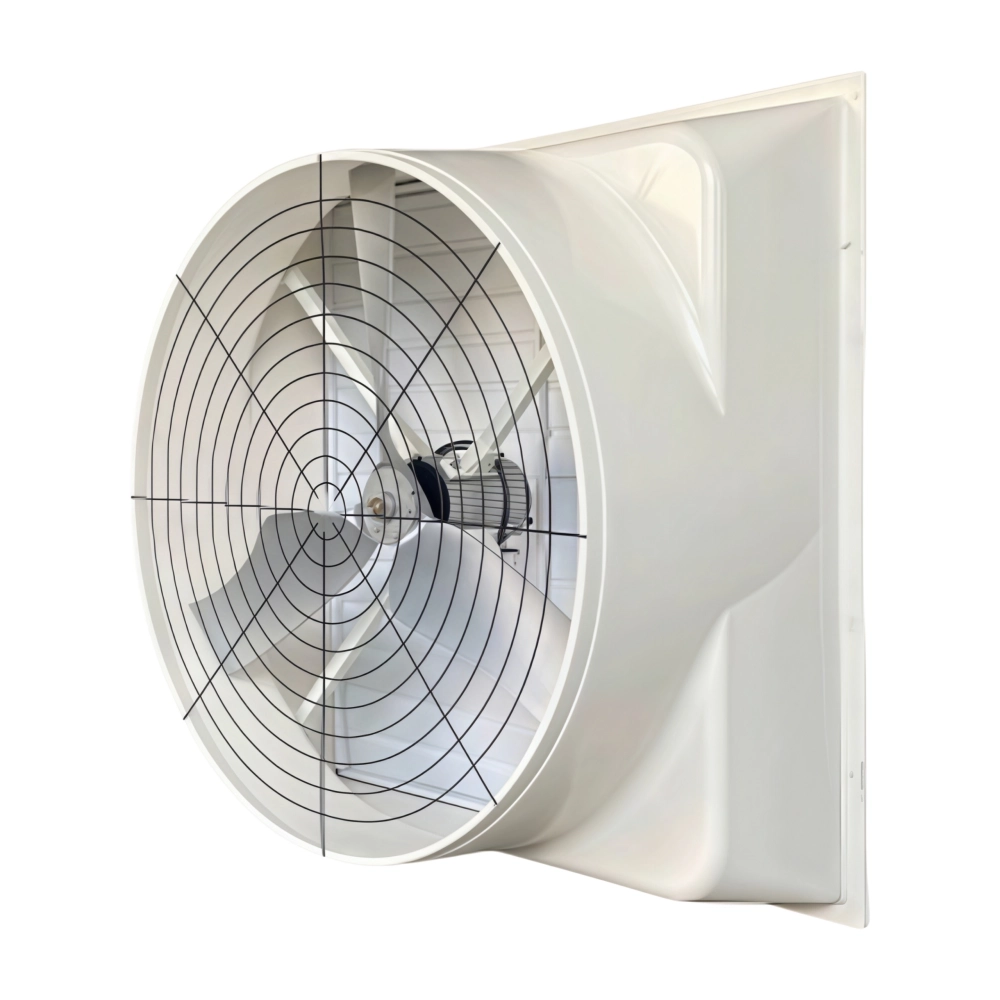
Negative pressure ventilation has become the preferred choice for modern poultry farms. This approach ensures stable air quality, reduced energy costs, and improved conditions for poultry. These systems create a controlled pressure difference between the barn interior and the outside environment. As a result, all incoming and outgoing air contributes to cooling, moisture control, and air exchange in an efficient manner.
What Is Negative Pressure Ventilation
Negative pressure ventilation is a mechanical system. The basic principle is straightforward. It relies on exhaust fans to remove air from an enclosed space. This creates a lower air pressure inside compared to the outside. Fans remove air faster than it can enter naturally. As a result, outside air is drawn in through designated inlets. This results in consistent airflow throughout the barn.
How Negative Pressure Systems Work
The main parts are barn exhaust fans and inlet vents. Fans generate the airflow force, while inlets regulate the volume and direction of incoming fresh air. Air flows from high-pressure spots to low ones.
In poultry houses with negative pressure, exhaust fans installed on walls or roofs remove stale air. Fresh air comes in via ceiling or sidewall inlets. The direction and velocity of airflow are critical for system performance. When properly balanced, the system holds ideal temperature and humidity.
Comparing Negative vs Positive Pressure Ventilation
Farmers choose between negative and positive pressure systems based on local climate conditions, barn layout, and energy needs.
Key Differences Between the Two Systems
Negative pressure systems draw outside air inward by making a vacuum. Positive pressure systems push filtered or treated air into the building with a small extra pressure. The way air moves changes how well fresh air blends with the warm air inside. Negative pressure systems generally provide better dust control. All the exhaust leaves through set outlets, not random cracks.
The gear varies too. Positive setups use more intake blowers. Negative ones lean on exhaust fans, like axial or cone types. Energy use often tips toward negative systems. You can shift bigger air volumes with fewer fans if you match them well with inlet shapes.
Advantages of Negative Pressure Ventilation for Poultry Houses
These perks show up in real ways.
Improved control of dust and ammonia levels.
Steadier temperatures in big barns.
Lower operating costs when fans are properly sized.
Such gains mean fitter birds. They also cut down on upkeep for gear that faces dampness or dirt.
Essential Components of a Negative Pressure Ventilation System
Every part has a clear job. It keeps steady negative air pressure through changing weather.
Poultry Exhaust Fans and Their Role
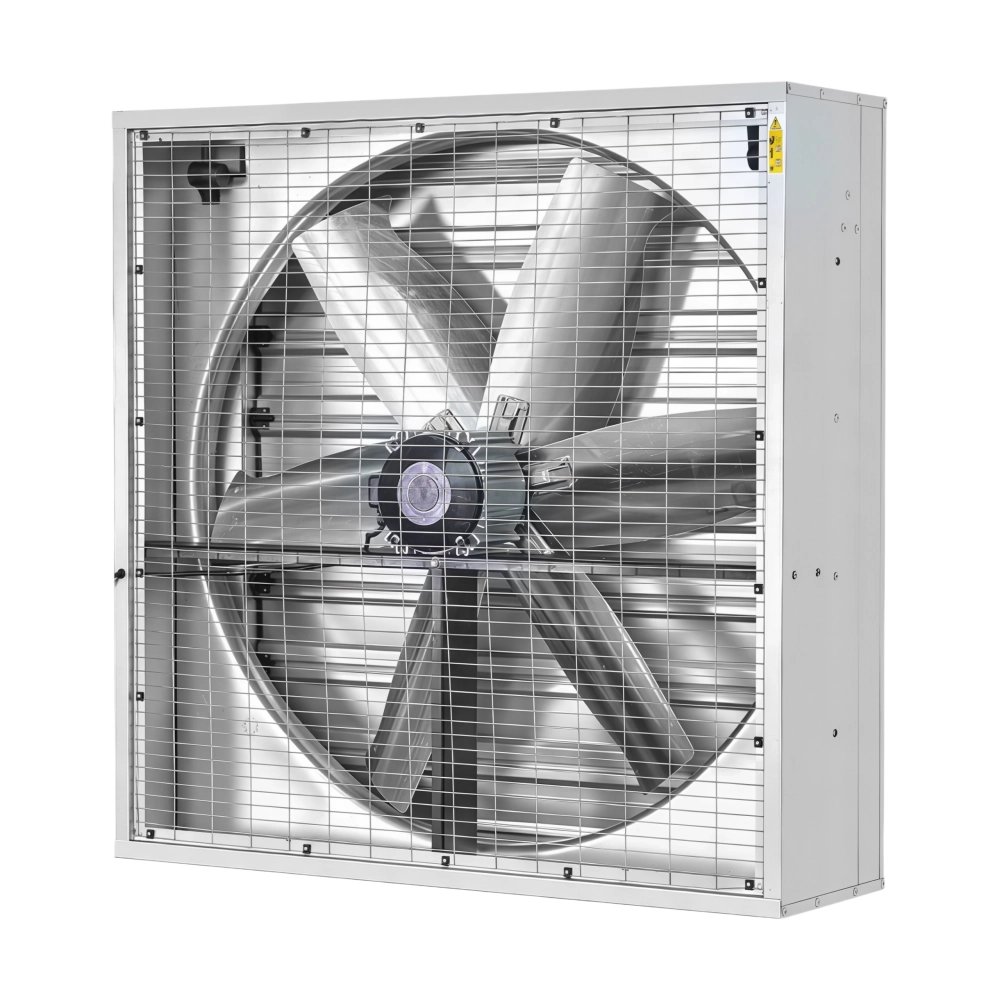
Exhaust fans drive any negative system. Common types include axial flow fans, cone exhaust units, and belt-driven ones designed for continuous operation in dusty environments. Where you put them shapes how well things run. Position them along end walls or roofs for smooth air paths without quiet areas.
DAIHO Ventilation offers choices like wall exhaust fans, roof exhaust fans, HVLS fans, axial flow fans, centrifugal fans, and fiberglass cone type exhaust fans. These fit industrial spots, including poultry houses.
Air Inlets and Distribution Design
Size air inlets to match fan power. If too small, excessive static pressure may occur. If too large, airflow velocity may decrease. Adjustable flaps guide incoming air up to the ceiling first. That mixes cold outside air before it drops near birds.
Automated controls keep things even as fan speeds shift with temperature needs. Smooth changes avoid drafts that might bother young chicks. They also prevent uneven cooling on the barn floor.
Monitoring and Control Equipment
Today’s poultry houses have digital sensors. They monitor temperature, humidity, carbon dioxide levels, and static pressure continuously. These link to controllers that adjust fan operation or inlet sizes right away based on live data. Logging data helps fine-tune over time. You spot issues like uneven air flow or too much fan starting and stopping.
Designing an Efficient Negative Pressure System for Poultry Farms
Good planning starts early, well before you install anything. Smart design looks at the building’s structure as much as the machine power.
Factors to Consider During Design Planning
Key considerations include.
The barn’s size and direction.
Stocking density (number of birds per square meter).
Weather patterns nearby, like high humidity or harsh winters.
The flock’s age, since young ones need softer air flow.
Calculate ventilation rates to figure cubic meters per hour per kilogram of bird weight. Save energy by picking efficient motors. Group fans into zones that run on their own during lighter loads.
Installation Best Practices for Reliable Operation
Ensure the building is properly sealed. Gaps near doors or panels can disrupt the pressure balance. Point exhaust fans straight across from key inlets. This creates straight air paths without swirling spots.
Test static pressure at several spots with manometers before adding birds. That confirms even spread through every house section.
Common Challenges and Practical Solutions in Operation
Well-planned systems still run into issues during everyday use.
Managing Air Leakage Issues
Air leaks may occur around doors that don’t seal well or wires poking through walls. Foam gaskets or bendy sealants can be quickly resolved without big rebuilds.
Check regularly. Watch for drops in static pressure even when fans run steady. That points to a leak in the building’s shell.
Handling Seasonal Ventilation Adjustments
Summer conditions require maximum airflow to beat the heat. Winter conditions require controlled air exchange to clear moisture without cooling birds too much. Variable-speed drives let you adjust smoothly. Skip the sudden on-off that burns extra power.
Run zones separately. Turn on fan groups based on heat differences in barn parts. This saves power and keeps comfort steady in wide spaces.
Troubleshooting Performance Problems
Monitor for signs such as water condensation from ceilings or spotty wet litter. These signal bad air balance. See if all fans turn freely. Damaged belts or malfunctioning shutters can significantly reduce performance. Low static pressure often means leaks. High pressure could come from dirty filters or jammed inlets blocking air in.
Enhancing System Efficiency with DAIHO Ventilation Solutions
As farms grow their output, solid gear matters more for steady climate control under shifting demands.
High-Efficiency Poultry Exhaust Fans by DAIHO Ventilation
DAIHO Ventilation builds tough exhaust options for farm work. Take our fiberglass cone type exhaust fan and aluminium blades type exhaust fan models. They deliver high airflow with low noise levels. Aerodynamic blades hold steady negative pressure in large barns. They use less power per cubic meter, which cuts costs over time.
The lineup includes T-style direct driven exhaust fan units too. These ease maintenance for round-the-clock jobs where continuous operation is essential.
Integrated Cooling and Air Management Systems
DAIHO Ventilation goes beyond basic fans. We offer cooling tech that pairs evaporative pads with moisture removers. These combos cool summer air before it hits the birds. They hold humidity safe all year. Our team provides custom setups. We match ventilation parts with auto climate controls for modern poultry spots. This boosts output and saves energy at once.
FAQs
Q1: What is the ideal static pressure range for a poultry house using negative ventilation?
Usually 20–30 Pascal, based on building size. It pulls fresh air evenly without drafts near birds.
Q2: How often should poultry exhaust fans be cleaned?
Once per flock cycle at minimum. Do it more in dusty times to keep efficiency up and avoid motor heat issues.
Q3: Can negative pressure ventilation work with evaporative cooling pads?
Yes, they pair well. Fans draw cooled, damp air through pads for even temperatures in hot spells.
Q4: Why does my barn lose static pressure when doors are opened?
Large openings let the vacuum escape fast. Add entryways or auto closers to hold steady inside conditions.
Q5: How do I know if my ventilation rate is sufficient?
Look at bird actions, like heavy breathing for heat stress. Pair that with sensor data. Tweak fan steps until comfort signs stay in safe ranges.
 English
  Russian
  Arabic
  Spanish
  French
  Italian