

Benefits of Evaporative Coolers for Greenhouses
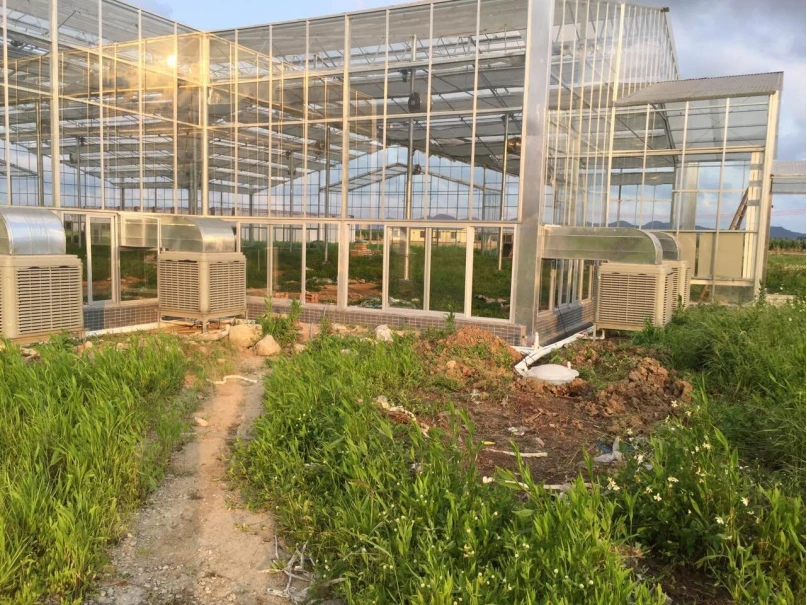
Growers in greenhouses deal with a steady problem. They need to hold the correct temperature and moisture for plants while keeping energy consumption under control. Evaporative coolers provide an effective and environmentally responsible solution. They use water and air movement to ease heat in a natural manner. And they keep moisture just right for plants to grow.
Understanding Evaporative Coolers
Before we check their advantages in greenhouses, it pays to know how evaporative cooling runs. We should also see what makes it different from usual air conditioning.
What is an Evaporative Cooler?
An evaporative cooler, often called a swamp cooler, taps into the plain process of water turning to vapor to bring down air heat. Regular air conditioners depend on chemicals and machines. Instead, these systems draw in warm air over damp pads. There, air drops heat as water vanishes into vapor. This results in a continuous flow of cool, humidified air that moves all around the place.
Next to basic heating and cooling setups, evaporative coolers save way more power. They just need a fan and pump for water to get going. That fits them well for big or half-open areas like greenhouses.
How Do Evaporative Coolers Work?
The principle is simple yet highly effective. Hot air goes through pads full of water. A portion of the water evaporates. It pulls heat out of the air. Then the cooler air gets sent into the greenhouse by pipes or openings. How well this works ties to things like outside heat and wetness. Warmer and less humid spots give stronger cooling.
Water does the key cooling job. Airflow keeps it all flowing steady. Together, they hold even heat levels in all parts of the greenhouse. This stops hot pockets that might bother plants.
Advantages of Using Evaporative Coolers in Greenhouses
Once you grasp it, you see why lots of growers pick this over machine cooling or basic air flow ways.
Enhancing Plant Growth Conditions
Plants grow best in set heat ranges. Excessive heat can inhibit photosynthesis and hinder plant growth. Evaporative air coolers keep heat steady. This helps plants do their best all day long. On top of that, they raise wetness levels. That is vital to stop drooping in dry times. So plants feel less strain. Leaves stay plump and strong.
Energy Efficiency and Cost-Effectiveness
A top draw is the power savings.
Energy–Efficient: Consumes less power compared to traditional air conditioners, cutting down on long – term operating costs. Operators of large-scale greenhouse facilities see real drops in power costs. Cooling stays good as ever.
Cost–Effective: Lower purchase and maintenance costs, offering an affordable cooling solution for budget-conscious users. In time, that extra cash can go to growing more or fixing water lines.
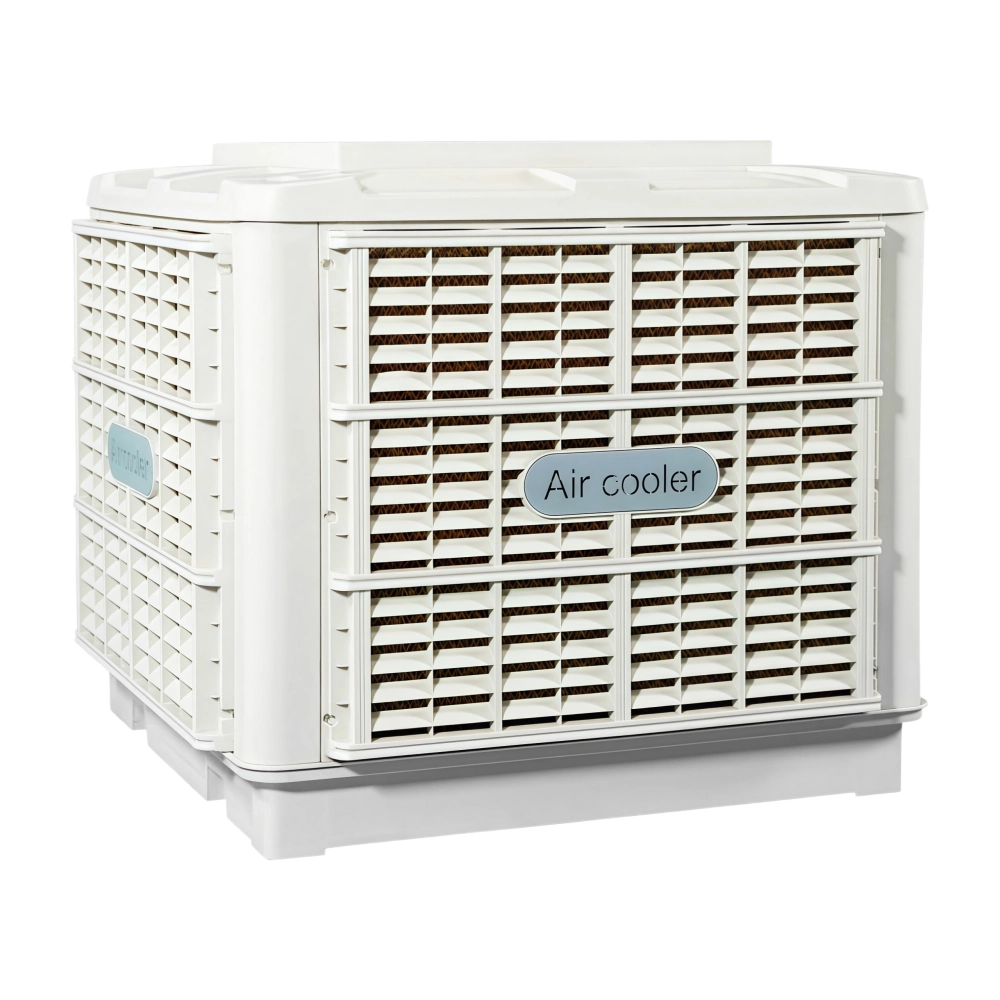
How Evaporative Cooling Controls Temperature and Humidity
The cooling process is based on thermodynamic principles. Turning to vapor pulls latent heat from surrounding air molecules. This cuts the heat. It also adds wetness. Fans start things by drawing warm outside air over soaked pads. Water goes from liquid to gas. It takes warmth from the air path. The now cool and wet air spreads smooth over plant lines. This brings ease to plants and workers both.
Comparing Cooling Options for Growers
Growers usually pick from three chief cooling plans:
- Natural ventilation using roof vents and sidewalls allows passive airflow but offers limited control during extreme weather conditions.
- Refrigerated air conditioning systems deliver precise temperature regulation but at high operational costs due to compressor use and refrigerant management.
- Evaporative cooling systems strike a balance between efficiency and affordability by leveraging natural evaporation processes rather than chemical refrigeration cycles. They are especially advantageous in regions with hot and dry climates where relative humidity remains low enough to maximize evaporation efficiency.
Types of Evaporative Coolers Suitable for Greenhouses
Picking between large fixed units or portable models rests mostly on greenhouse size. It also depends on how much change you want in use.
Large Evaporative Air Coolers
For business greenhouses that cover thousands of square meters, still units fit best. They manage lots of air flow and hold up under steady work. DAIHO Ventilation builds for industrial-scale ventilation, this fixed evaporative air cooler provides superior cooling performance through natural evaporation technology. It features a triple-side intake design that enhances circulation efficiency even in harsh tropical climates such as Southeast Asia’s extreme heat zones.
| Model | Air Volume (m³/h) | Power (kW) | Water Consumption (L/h) | Control Type |
| DH-18AS | 18,000 | 1.1 | 10–15 | Manual |
| DH-18AS/BP | 18,000 | 1.1 | 10–15 | LCD Controller |
| DH-18DS/BP | 18,000 | 1.1 | 10–15 | LCD Controller |
These large evaporative air cooler units maintain consistent climate control across wide areas while consuming minimal power relative to output volume.
Portable Evaporative Air Coolers
Smaller-scale applications or greenhouses with flexible layouts gain from designs built for moving. Like DAIHO Ventilation’s portable series. DAIHO Ventilation engineered for heavy-duty industrial environments, this portable air cooler combines high airflow performance with energy efficiency. With built-in caster wheels and multi-speed fans, growers can reposition them easily depending on crop layout or seasonal needs.
| Model | Air Volume (m³/h) | Power (kW) | Water Tank (L) | Speed Levels |
| DH-18ASY/BP | 18,000 | 1.1 | 300 | 12 |
| DH-23ASY/BP | 23,000 | 1.5 | 300 | 12 |
| DH-30ASY/BP | 30,000 | 3.0 | 300 | 12 |
Such portable evaporative air cooler models offer flexibility without sacrificing performance—perfect for targeted zones or temporary installations.
Selecting the Right Cooler for Greenhouse Size and Type
Key factors to consider are total ground space, how plants react to wetness shifts, area weather, power options (220V vs 380V), and installation preferences (top discharge vs side discharge). Say, for big linked business houses, fixed wall setups like DH-18DS/BP models with LCD controllers suit well. They allow exact changes.
Common Maintenance Tips for Greenhouse Coolers
Regular maintenance ensures consistent performance:
- Clean cooling pads monthly to prevent mineral buildup.
- Check pump operation and water levels frequently.
- Inspect fan blades for dust accumulation.
- Flush tanks periodically to avoid bacterial contamination.
Basic habits like these extend equipment lifespan. They also keep air flow at top levels through growth periods.
Partner with DAIHO Ventilation
DAIHO Ventilation is a professional manufacturer specializing in industrial ventilation and energy-efficient cooling system equipment integration solutions designed to improve airflow quality across agricultural environments such as greenhouses or livestock barns. Get in touch with us today to find the right cooler and start optimizing your greenhouse climate!
FAQs
Q: Are evaporative coolers suitable for humid climates?
They perform best in dry regions; high humidity reduces evaporation efficiency.
Q: How often should I replace cooling pads?
Typically every three to four years depending on water quality and usage intensity.
Q: Can portable units cool multiple greenhouses?
Yes—portable models can be moved between structures if each has adequate ventilation openings.
Q: Do evaporative coolers require special installation?
No major ductwork is needed; most systems connect directly to existing wall or roof openings with minimal setup time.
 English
  Russian
  Arabic
  Spanish
  French
  Italian