

Circulation Fans Boost Bird Health and Welfare in Poultry Barns
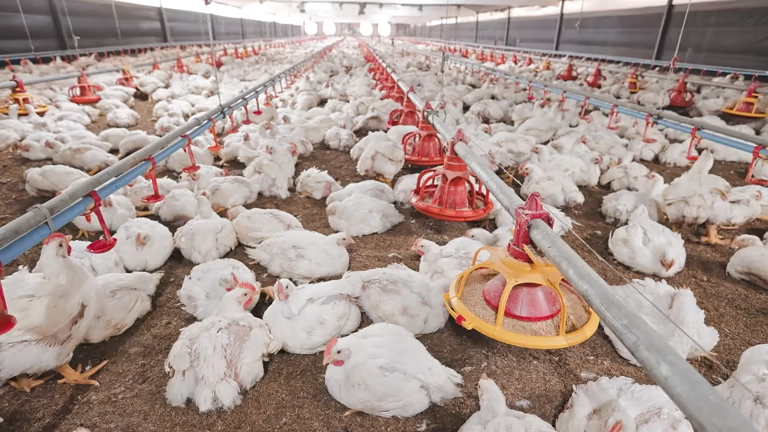
In today’s poultry farming, the health and well being of birds connect closely to the barn setting. One key part that greatly affects this setting—but people often overlook—is the circulation fan. These fans provide even air flow. So, they boost bird comfort. They also improve ventilation setups, help with litter care, and bring clear savings for farmers.
The Role of Circulation Fans in Poultry Barn Environments
How Circulation Fans Support Airflow Efficiency
In any shut poultry building, air can spread unevenly. Warm air gathers up by the roof. And spots of damp or still air may form—mainly in cold seasons. Circulation fans fix these spots. They do this by pushing steady air movement through the area.
The up and down air flow mixes hot air with cool air well. It also blends dry air with wet air. This keeps a steady temperature and humidity level all over the barn. As a result, it makes a more steady place for the birds.
Besides, by cutting down heat layers, vertical circulation fans spread the warmer air from up high down to bird level. This stops cold areas on the ground that might stop birds from eating. Or it could lead to more energy use when heaters work extra to fix uneven warmth.
Impact on Ventilation System Performance
Circulation fans do not take the place of ventilation systems. Instead, they make them better. They help spread fresh air coming in from vent fans. So, air full of oxygen gets to every part of the barn. It does not just stay near the openings.
In chillier times, better mixing cuts the need for heaters. It also lets current heating setups run more smoothly by keeping even room temperatures. This directly cuts energy costs.
Farmers have noticed that with better air flow, their overall energy use can fall a lot. It is not only about ease. It is about running things well.
Influence on Litter Conditions and Moisture Control
Moisture Management Through Air Movement
Moisture plays a big role in poultry litter quality. Damp litter helps germs grow. And it speeds up ammonia making, which both harm bird health.
Circulation fans speed up moisture drying from the litter top. They do this by keeping air flowing over it all the time. Air recycling can spread heat evenly in a greenhouse. This helps crops grow the same in various spots. In poultry sheds, this idea keeps litter drier for more time.
Dry litter cuts down on clumping and packing, issues that mess with cleaning and bird ease. It also drops the chance of footpad sores—a care problem that can hurt growth and meat quality at slaughter.
Effects on Ammonia Levels in Poultry Houses
Ammonia buildup is a quiet danger in poultry spots. It comes from litter breaking down. And it can cause bad breathing troubles in birds if not handled right.
Circulation fans assist by always moving air around the space. This thins out ammonia amounts and sends dirty air to exit points. The outcome is better air quality inside the shed.
Improved air quality aids bird health—mainly breathing—and makes a cleaner, nicer work spot for farm workers.
Behavioral and Physiological Benefits for Poultry
Circulation Fans and Bird Activity Levels
When heat comfort gets better, birds act in new ways. You will spot more even spread through the shed, instead of bunching in warm spots or skipping cool ones.
Birds get more lively—walking, eating, and grooming—as their surroundings turn more steady. These normal actions show good animal care. Steady temperatures also help control daily cycles, which affect eating habits and weight gain.
It is not just an idea; farmers often see less bunching and better group sameness when air flow works well.
Impact on Bird Health Metrics and Welfare Indicators
Breathing illnesses often link to bad air quality or wet litter. By lowering both ammonia levels and dampness, air circulation fans help cut down on these troubles.
Footpad health gets better with drier litter. This reduces cases of skin issues and boosts care scores in checks or approval reviews.
In the end, when birds stay healthier and less worried, they grow more smoothly. Feed use improves, and death rates usually drop—two main signs of success for any poultry farm.
Energy Efficiency and Operational Advantages for Producers
Reduction in Heating System Runtime
Every poultry farmer knows winter heating costs can add up fast. But smart use of circulation fans eases this expense by reducing temperature stacking.
Long and cross air flows can give a good setting for crop growth. In barns, this means less heat waste at roof level—where it often sits unused—and more useful warming at ground level where birds need it.
Circulation fans use fairly little power themselves. And with types like those from DAIHO Ventilation made for low energy and toughness, they fit well with green goals.
DAIHO Ventilation is a professional manufacturer of industrial ventilation and energy efficient cooling equipment. Their solutions—including circulation fans, dehumidifiers, evaporative cooling systems—are engineered to improve airflow, temperature control, and environmental quality in demanding agricultural settings.
Cost Benefit Considerations for Fan Installation
Sure, setting up circulation fans costs money at first—but it pays off over time.
Energy savings over time
Reduced heating system usage
Improved bird health leading to better growth performance
Lower mortality rates
Easier compliance with animal welfare standards
For farmers looking for lasting success and profit, circulation fans make a wise choice.
Selecting the Right Circulation Fan Solution for Poultry Barns
Key Factors When Choosing a Fan System
Not all fans work the same. When picking circulation fans for poultry barns, check several things:
Fan size appropriate to building dimensions
Airflow capacity (CFM ratings)
Energy efficiency (motor specs)
Compatibility with existing ventilation layout
Automation potential for climate control systems
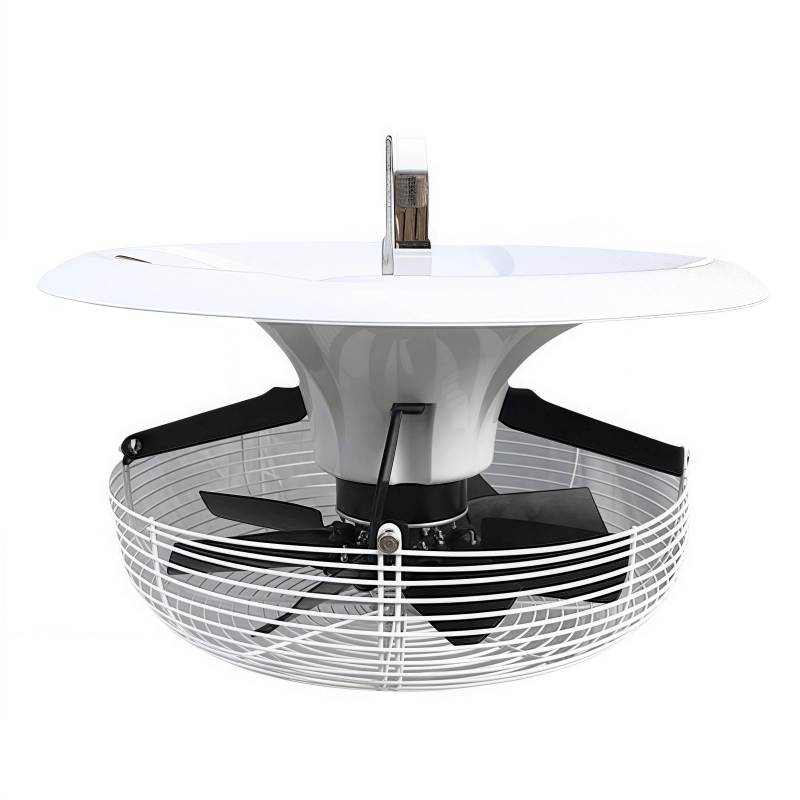
DAIHO Ventilation’s stainless steel housing fans are corrosion resistant and equipped with aerodynamic profiled blades impeller is made of aviation grade aluminum alloy to generate a high flow rate. These design features make them ideal for agricultural environments where durability is critical.
Maintenance Practices for Optimal Fan Performance
Like any gear, circulation fans need regular care:
Clean regularly to remove dust buildup on blades and motors
Check motor function, blade balance, and mounting integrity
Replace worn components before failure occurs
With good care, a top quality circulation fan can work steadily year after year—helping your birds and your profits.
FAQ
Q1: How many circulation fans do I need in my poultry barn?
It depends on barn size, ceiling height, and existing ventilation. A professional assessment can help determine optimal placement.
Q2: Can circulation fans replace exhaust or intake ventilation fans?
No—they work together. Circulation fans enhance internal airflow but don’t bring in fresh air or remove stale air.
Q3: What’s the difference between vertical and horizontal airflow?
Vertical airflow helps break up thermal layers; horizontal airflow promotes lateral mixing—ideally both are used.
Q4: Are stainless steel fan housings necessary?
In harsh agricultural settings with high humidity or ammonia levels, yes—stainless steel resists corrosion better than other materials.
Q5: Can these fans be automated?
Yes. Many modern systems integrate with climate controllers for automated operation based on temperature or humidity readings.
 English
  Russian
  Arabic
  Spanish
  French
  Italian